
12:24Machine-translated from Azerbaijani by AIRead in Azerbaijani
SK Hynix is developing an SSD chip with more than 100 processors for AI
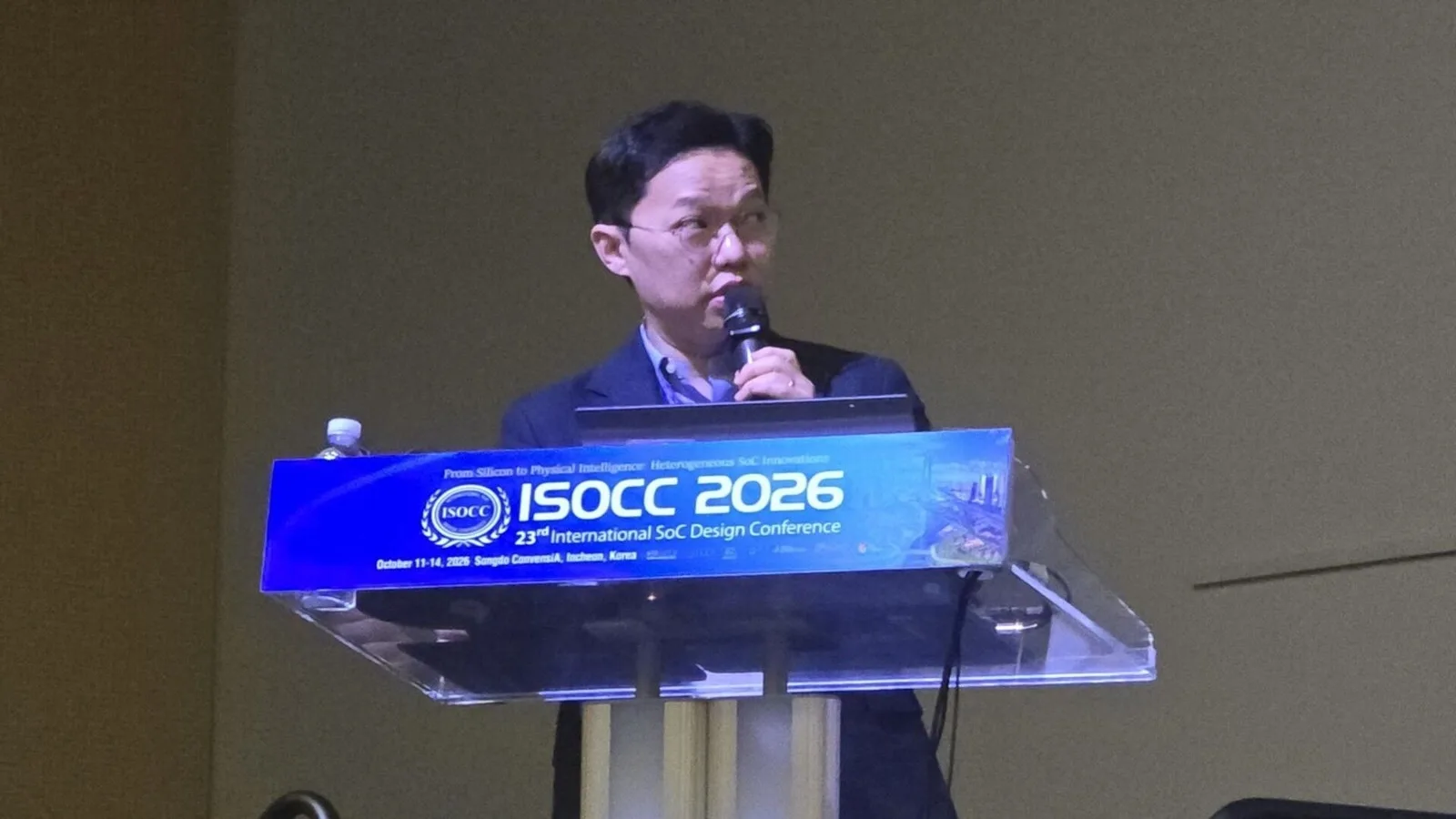
SK Hynix is developing new SSD controllers to manage the growing flow of data in artificial intelligence systems. These chips manage the process of writing data to and reading data from storage. The company plans to place more than 100 compact processors in each controller. These small processors, called H-TPUs, will offload repetitive storage operations from the main CPU.
In current SSD controllers, CPU cores handle not only reading and writing data but also updating metadata and managing cache. Because faster connections require additional CPU cores, the chip becomes larger and consumes more power. Each H-TPU occupies just 4% of the area of a conventional CPU core and consumes approximately 2.5% as much power.
The H-TPU processes operations in 4 stages and is designed for sequential tasks. The controller activates the units needed for a request and puts unnecessary ones into standby mode. Complex tasks such as error correction, exception handling and storage rules will remain on conventional CPU cores. The small processors will handle routine and repetitive operations.
SK Hynix is considering adding H-TPU units to its next-generation enterprise SSD controllers and Storage Next architecture. The technology is also planned to work with HBF flash memory, which transfers data at high speeds. HBF, which is expected to enter the market next year, is designed for demanding artificial intelligence workloads.
Storage Next will process the smaller data requests generated by new artificial intelligence models. The system will support operations of 512 bytes or less. This is 1/8 of the standard 4 KB data unit. The architecture will work with PCIe 6.0, PCIe 7.0 and PCIe 8.0 connections. It will also be used in AIN P, AIN B and AIN D products. It has not yet been announced when commercial products will be released or how the technology will affect the overall speed of SSDs.