
10:58Machine-translated from Azerbaijani by AIRead in Azerbaijani
Tesla assembles hundreds of Optimus robots a week, with a weekly target of 20 000
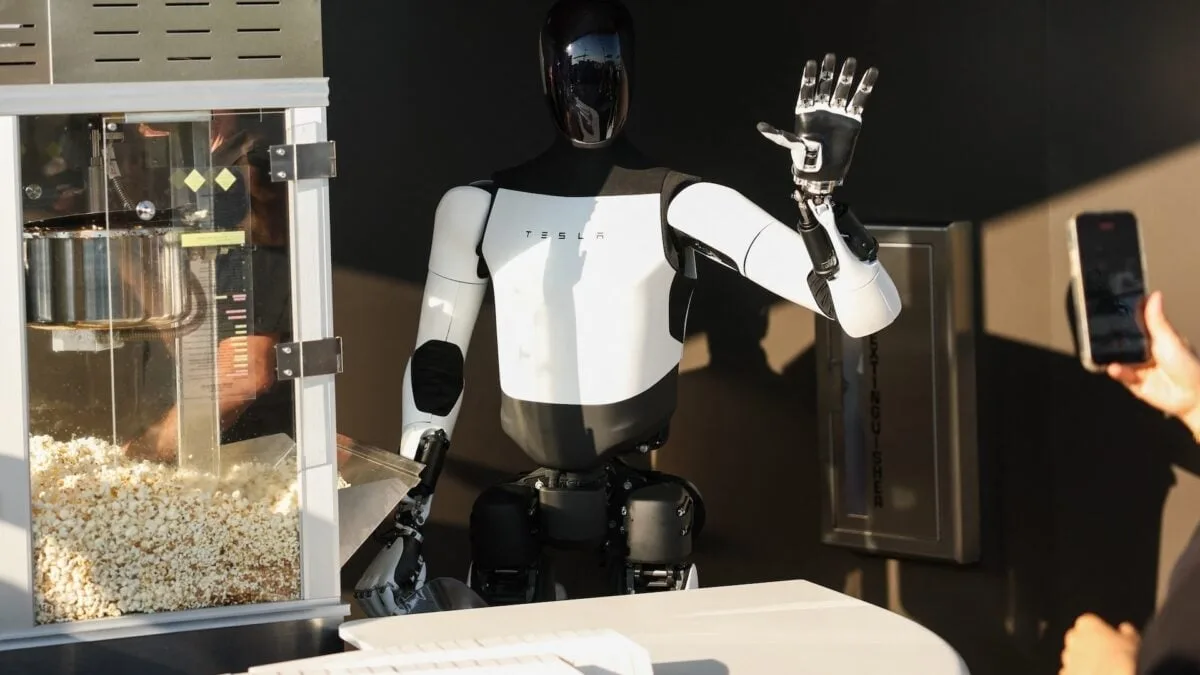
Although Tesla is accelerating production of its Optimus humanoid robots, the complex design of the robots’ hands remains one of the main problems. The company produced several hundred robots per week last month. A few months ago, that figure was only a few dozen. Despite this, production is still far short of the target of about 20 000 robots per week. The Optimus V3, which is currently being produced in greater numbers, is lighter than the previous version and has more cameras. Some equipment on the production line cannot always precisely assemble parts such as the hands and joints. As a result, more of the finished robots require repairs afterward. The hands are the biggest obstacle to mass production. Each hand and the section of the arm up to the elbow contain more than 100 screws and other small components. Moreover, those parts are still assembled by hand. Optimus’s hands are not durable enough to operate for long periods. The touch sensors also have reliability problems. Tesla has therefore developed a removable and replaceable “sensor glove” that reduces the need to replace the entire hand when it fails. The touch sensors are located in this glove, so only that part can be replaced when a malfunction occurs. The company plans to add this solution to the model that will be shown next year. Problems with the robots’ capabilities also remain. Optimus still cannot reliably perform different tasks without separate advance training. The robot must be programmed and trained for each task. Even teaching it simple tasks takes several days. Most of the robots produced are used within the company for testing, training and data collection. They have been placed in areas of the factory where their movements are closely monitored. Elon Musk announced the humanoid robot project in 2021 under the name Tesla Bot. The first working Optimus prototype was shown in 2022. The company began reducing production of the Model S and Model X at its Fremont factory in California earlier this year to make room for the robots. Musk has said sales could begin in late 2027. Initially, the robots are expected to be leased to companies. Data collected in factories and warehouses will later be used to improve artificial intelligence (AI) systems.