
13:30Machine-translated from Azerbaijani by AIRead in Azerbaijani
Tesla begins mass production of Semi truck with an 805 km range at full load
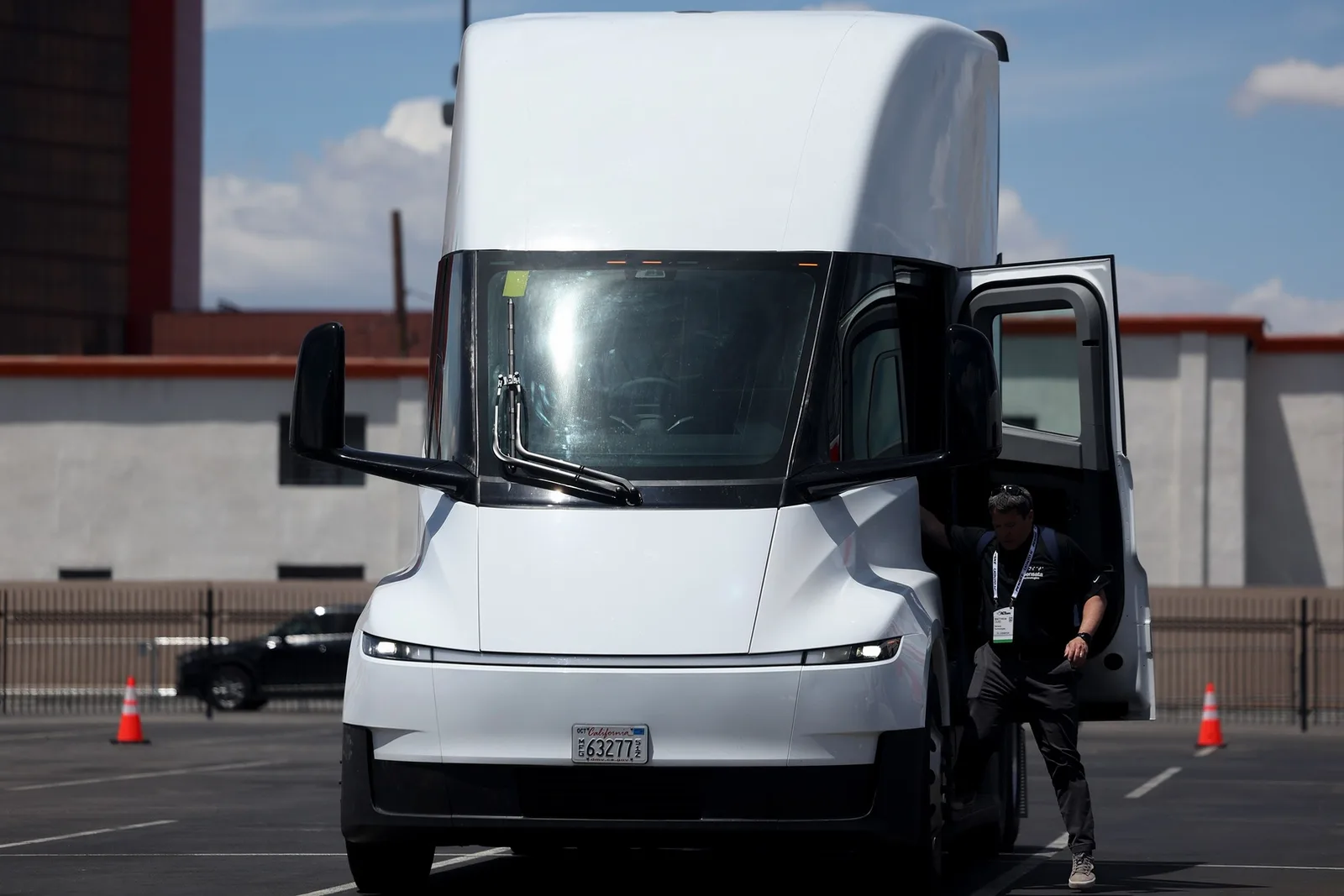
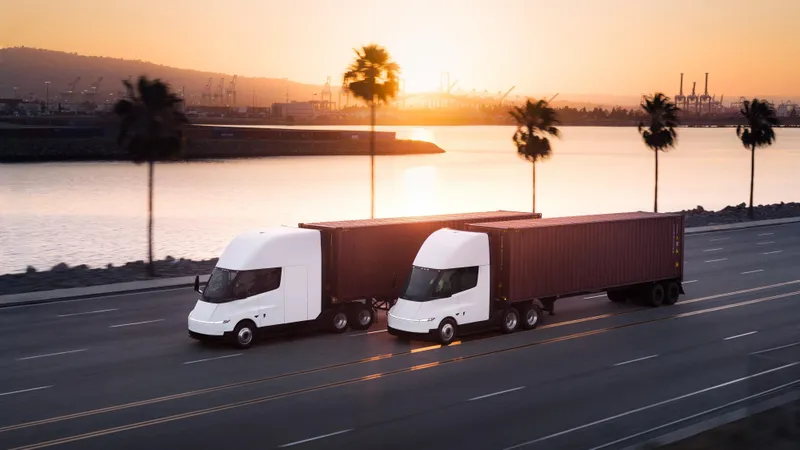
Tesla began mass production of the Tesla Semi electric truck, which it unveiled as a concept in 2017, in April 2026. The first production vehicles were also delivered to customers that same week. Production takes place at a dedicated factory built next to Gigafactory Nevada in Sparks, Nevada. The company can produce 50,000 trucks a year there.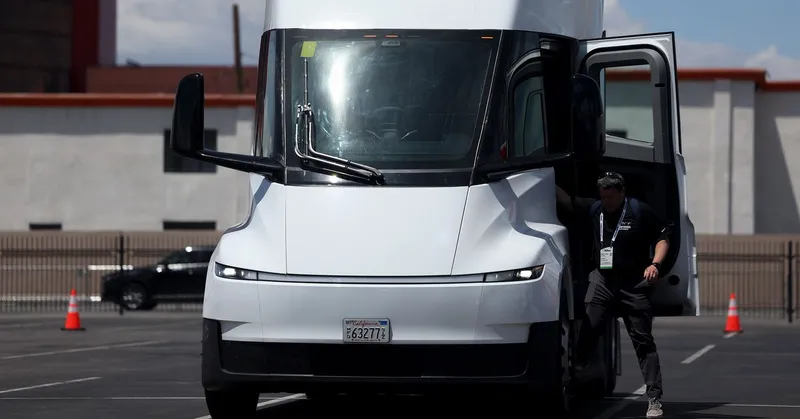 The Tesla Semi is available in 2 versions. The standard model travels approximately 523 km on a single charge. The version designed for long distances has a range of approximately 805 km. According to the company, the 805 km range was calculated for a fully loaded vehicle with a gross weight of approximately 37.2 metric tons. With a lighter load of approximately 27.2 metric tons, the range can reach 965 km. Competing electric trucks travel approximately 250–690 km on a single charge. This week, a freight coalition that includes Microsoft and PepsiCo ordered 2,500 Tesla Semi trucks. The vehicles will be delivered over 18 months beginning in 2026. Einride had previously ordered 500 vehicles, while IMC Logistics had ordered 50. Customers also include US Foods, DHL, WattEV, ABF and OK Produce. The joint order reduced the price of the electric trucks. Production of the Tesla Semi was initially scheduled to begin in 2019. However, the pandemic and the global shortage of spare parts delayed the process. In 2022, Tesla provided PepsiCo with a small number of vehicles assembled on a pilot production line. In 2017, the company announced a price of $150,000 for the 483 km version. That is equivalent to 255,000 manats. The 805 km model was priced at $180,000. Its equivalent in manats is 306,000 manats. The long-range version is now said to sell for $290,000 (493,000 manats), but the company has not officially updated the price.
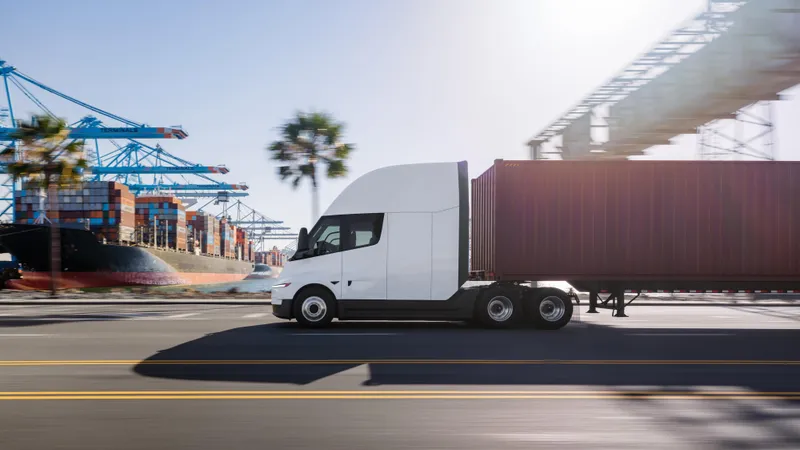
 The truck has a large 822 kWh battery and 4680 battery cells developed by Tesla. At full load, it consumes approximately 1.06 kWh of energy per kilometer. Over the past 3 years, the vehicle’s design has been made approximately 454 kg lighter. The updated drive axle’s weight has also been reduced by an additional 80 kg. The shared oil for the motor and transmission can last for more than 402,000 km without being changed.
 Each charging point in the Megacharger charging system delivers up to 1.2 MW of power. During the presentation, the battery was charged for approximately 30 minutes. During that time, its charge level rose from 3% to 60%. Tesla plans to open more than 30 stations by the end of 2026. Those stations will have more than 200 high-power charging points in total. According to the company, the vehicles currently in use have an uptime rate of 98%. For diesel trucks, this figure averages between 90% and 95%. For the driver, the hydraulic system has been replaced with electric steering featuring redundant modules. The vehicle’s turning radius has been brought close to that of the Model Y. The heating system, which is also used in the Cybercab, reduces energy consumption by distributing heat among the cabin, battery and motor. Driver profiles can be transferred from one vehicle to another. The estimated remaining range is also recalculated as the load’s weight changes. The Full Self-Driving (Supervised) driver-assistance system has not yet been enabled on the Tesla Semi. Tesla says it will add this feature in the near future.
The Tesla Semi is available in 2 versions. The standard model travels approximately 523 km on a single charge. The version designed for long distances has a range of approximately 805 km. According to the company, the 805 km range was calculated for a fully loaded vehicle with a gross weight of approximately 37.2 metric tons. With a lighter load of approximately 27.2 metric tons, the range can reach 965 km. Competing electric trucks travel approximately 250–690 km on a single charge. This week, a freight coalition that includes Microsoft and PepsiCo ordered 2,500 Tesla Semi trucks. The vehicles will be delivered over 18 months beginning in 2026. Einride had previously ordered 500 vehicles, while IMC Logistics had ordered 50. Customers also include US Foods, DHL, WattEV, ABF and OK Produce. The joint order reduced the price of the electric trucks. Production of the Tesla Semi was initially scheduled to begin in 2019. However, the pandemic and the global shortage of spare parts delayed the process. In 2022, Tesla provided PepsiCo with a small number of vehicles assembled on a pilot production line. In 2017, the company announced a price of $150,000 for the 483 km version. That is equivalent to 255,000 manats. The 805 km model was priced at $180,000. Its equivalent in manats is 306,000 manats. The long-range version is now said to sell for $290,000 (493,000 manats), but the company has not officially updated the price. The truck has a large 822 kWh battery and 4680 battery cells developed by Tesla. At full load, it consumes approximately 1.06 kWh of energy per kilometer. Over the past 3 years, the vehicle’s design has been made approximately 454 kg lighter. The updated drive axle’s weight has also been reduced by an additional 80 kg. The shared oil for the motor and transmission can last for more than 402,000 km without being changed. Each charging point in the Megacharger charging system delivers up to 1.2 MW of power. During the presentation, the battery was charged for approximately 30 minutes. During that time, its charge level rose from 3% to 60%. Tesla plans to open more than 30 stations by the end of 2026. Those stations will have more than 200 high-power charging points in total. According to the company, the vehicles currently in use have an uptime rate of 98%. For diesel trucks, this figure averages between 90% and 95%. For the driver, the hydraulic system has been replaced with electric steering featuring redundant modules. The vehicle’s turning radius has been brought close to that of the Model Y. The heating system, which is also used in the Cybercab, reduces energy consumption by distributing heat among the cabin, battery and motor. Driver profiles can be transferred from one vehicle to another. The estimated remaining range is also recalculated as the load’s weight changes. The Full Self-Driving (Supervised) driver-assistance system has not yet been enabled on the Tesla Semi. Tesla says it will add this feature in the near future.