
19:05Machine-translated from Azerbaijani by AIRead in Azerbaijani
Tesla launches Cybercab robotaxi as US federal investigation begins
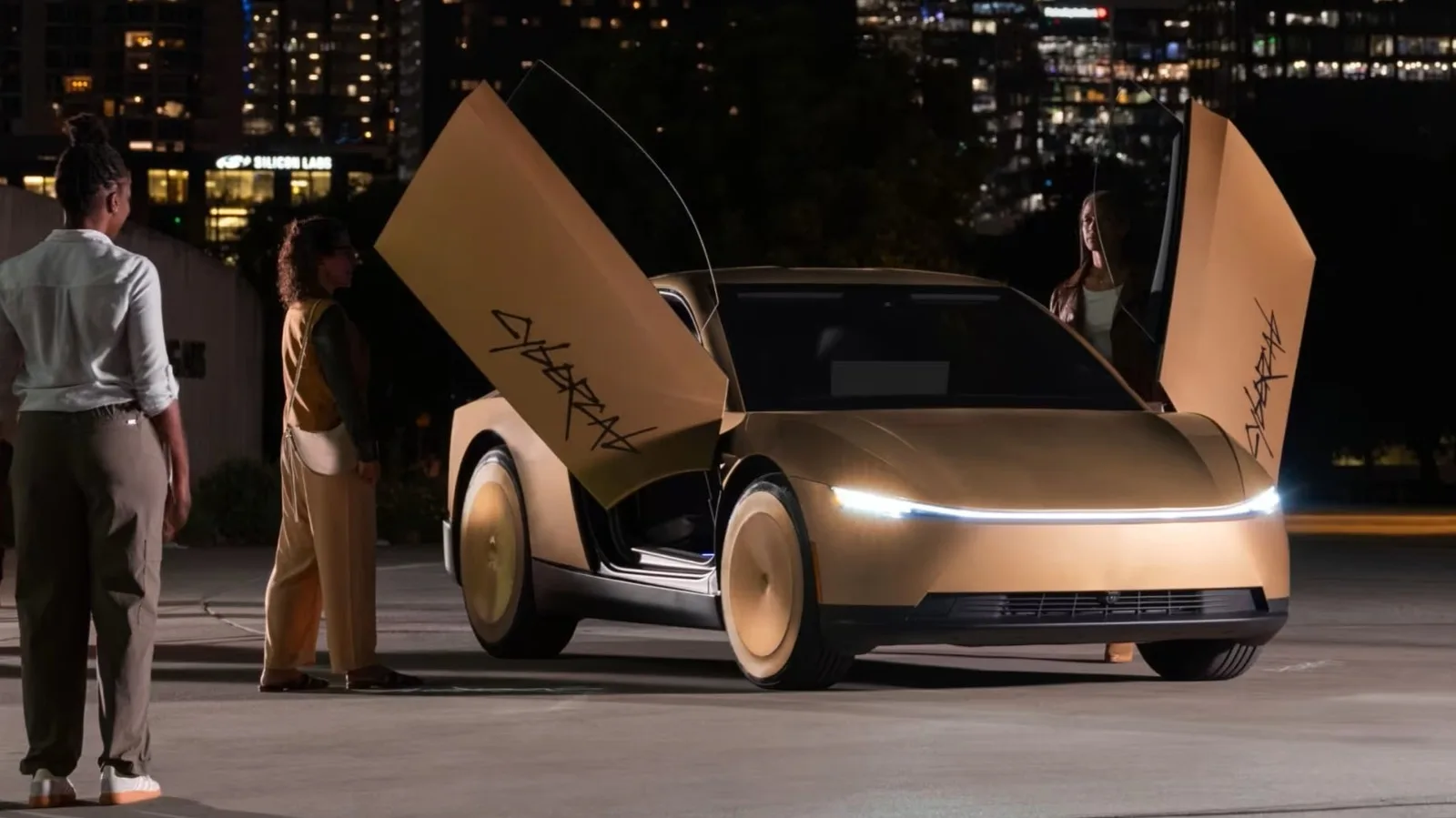
Tesla’s driverless Cybercab came under federal investigation in the US immediately after beginning commercial service. The National Highway Traffic Safety Administration’s (NHTSA) investigation covers approximately 1,000 Cybercab vehicles. The company began transporting passengers with a small number of Cybercabs in Austin, Texas, on September 3.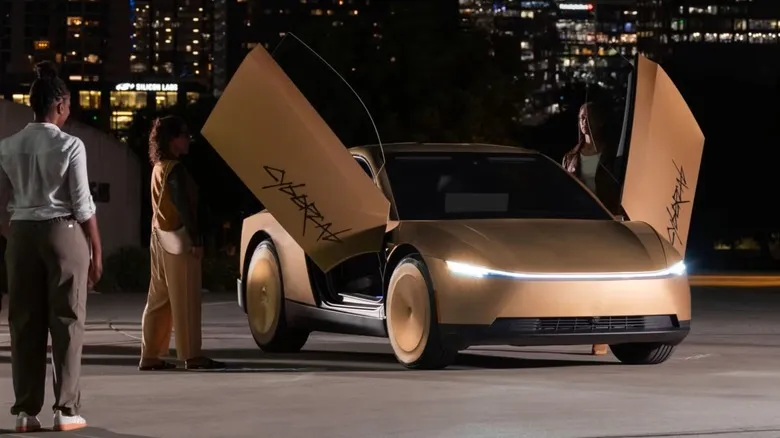 The investigation will examine Tesla’s procedures for determining that the vehicle complies with federal safety standards and the technical information it submitted. In the US, manufacturers self-certify that their vehicles comply with regulations. The Cybercab does not have permanently installed brake and accelerator pedals, a steering wheel or side mirrors. NHTSA will also review the determination that some requirements do not apply to this model. According to available documents, Tesla did not submit a separate application for an exemption from the regulations. Tesla has 420 autonomous vehicles registered in its name in Texas. Of those, 45 are Cybercabs. However, it is not known how many of these vehicles are transporting passengers and how many are being used in tests. The company offers robotaxi rides using Model Y vehicles in Dallas, Houston, Miami, Orlando and Tampa. Tesla plans to expand the Cybercab service in the future with more vehicles and new cities.
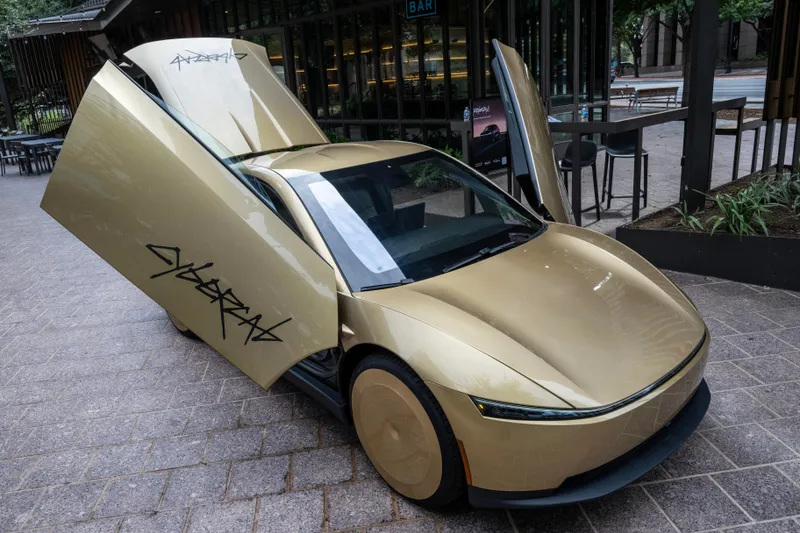 That same day, Tesla held a private event in Austin to mark the start of passenger service for the Cybercab. The company wants to roll out the vehicle in other cities as part of its Robotaxi service and later sell it to individual buyers. The expected sale price is $30,000 (approximately AZN 51,000). The federal investigation does not mean that production will automatically be halted. However, it is not yet known whether paid rides will continue while the investigation is underway.
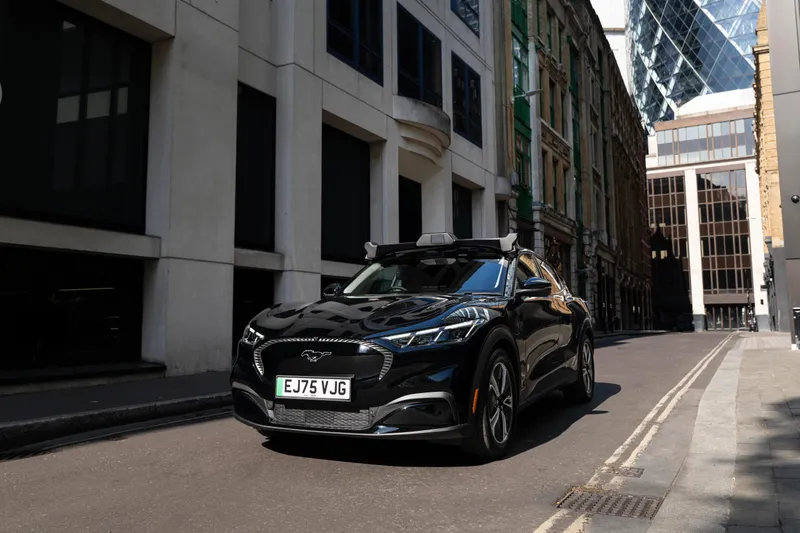 NHTSA Administrator Jonathan Morrison said the agency supports the safe development of autonomous vehicles while also having to verify compliance with all laws. NHTSA is currently considering regulatory changes that could make it easier to sell vehicles without traditional controls such as steering wheels and pedals. The agency has also issued a separate warning to operators to ensure that robotaxis do not block emergency vehicles. A similar investigation into a manufacturer’s self-certification of regulatory compliance was also opened in 2024 for Amazon’s driverless Zoox vehicle. During the investigation, those vehicles were permitted to operate only in demonstration mode. Charging passengers became possible 2 years later. NHTSA is also conducting a separate investigation into 3.2 million Tesla vehicles equipped with the Full Self-Driving driver-assistance system. That investigation could result in a vehicle recall.
The investigation will examine Tesla’s procedures for determining that the vehicle complies with federal safety standards and the technical information it submitted. In the US, manufacturers self-certify that their vehicles comply with regulations. The Cybercab does not have permanently installed brake and accelerator pedals, a steering wheel or side mirrors. NHTSA will also review the determination that some requirements do not apply to this model. According to available documents, Tesla did not submit a separate application for an exemption from the regulations. Tesla has 420 autonomous vehicles registered in its name in Texas. Of those, 45 are Cybercabs. However, it is not known how many of these vehicles are transporting passengers and how many are being used in tests. The company offers robotaxi rides using Model Y vehicles in Dallas, Houston, Miami, Orlando and Tampa. Tesla plans to expand the Cybercab service in the future with more vehicles and new cities. That same day, Tesla held a private event in Austin to mark the start of passenger service for the Cybercab. The company wants to roll out the vehicle in other cities as part of its Robotaxi service and later sell it to individual buyers. The expected sale price is $30,000 (approximately AZN 51,000). The federal investigation does not mean that production will automatically be halted. However, it is not yet known whether paid rides will continue while the investigation is underway. NHTSA Administrator Jonathan Morrison said the agency supports the safe development of autonomous vehicles while also having to verify compliance with all laws. NHTSA is currently considering regulatory changes that could make it easier to sell vehicles without traditional controls such as steering wheels and pedals. The agency has also issued a separate warning to operators to ensure that robotaxis do not block emergency vehicles. A similar investigation into a manufacturer’s self-certification of regulatory compliance was also opened in 2024 for Amazon’s driverless Zoox vehicle. During the investigation, those vehicles were permitted to operate only in demonstration mode. Charging passengers became possible 2 years later. NHTSA is also conducting a separate investigation into 3.2 million Tesla vehicles equipped with the Full Self-Driving driver-assistance system. That investigation could result in a vehicle recall.