
13:42Machine-translated from Azerbaijani by AIRead in Azerbaijani
Tesla Plans to Sell Its Steering-Wheel-Free Cybercab Robotaxi This Year
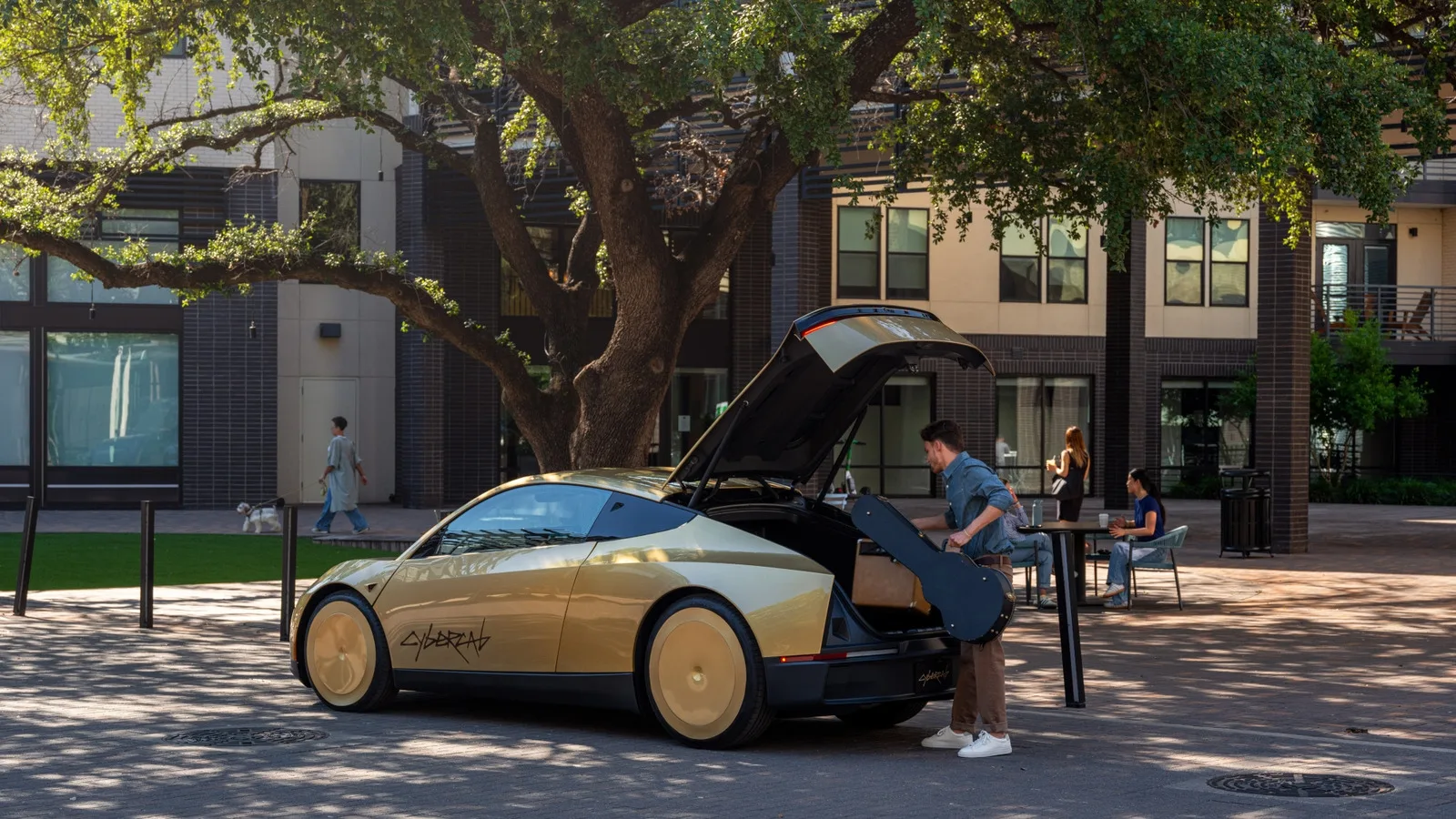
Tesla announced at its quarterly financial meeting held on October 21, 2026, that it plans to begin selling Cybercab robotaxis to customers by the end of the year. Lars Moravy, the company’s vice president of engineering, said production has already begun at Gigafactory Texas. However, all vehicles currently being produced are intended for Tesla’s own robotaxi fleet. Initial sales will be conducted on a small scale.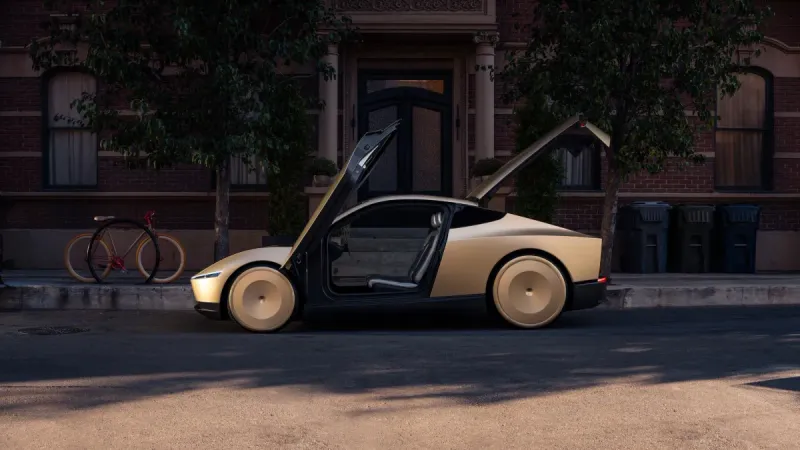 Tesla is already accepting applications from those interested in purchasing a Cybercab. The company is looking for partners to help build out its robotaxi network. The first vehicles are therefore expected to be sold to businesses capable of purchasing a large fleet. Production and sales volumes will be increased based on the results related to delivery, ownership, and the management of a driverless vehicle fleet. According to Elon Musk, most of the vehicles will be owned by Tesla and operate in its passenger transportation service. The gold-colored Cybercab is designed for 2 passengers and has no steering wheel or brake pedal. It cannot be driven by a human. Its operation depends entirely on Tesla’s self-driving software called FSD. The Full Self-Driving (Supervised) package currently sold to customers is not fully driverless. The driver must monitor the road and take control when necessary. The company plans to activate an FSD system that does not require human supervision in some customer vehicles in the 2nd quarter of 2027.
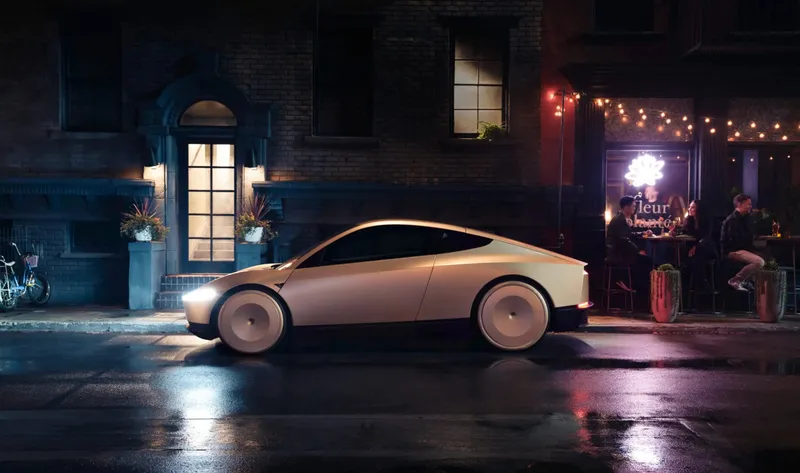 The company first unveiled the Cybercab at its 2024 presentation. The vehicle began carrying passengers in Austin in September this year. Rides are booked through the Robotaxi app. Musk described the model as a vehicle designed more for transportation services than as a personal car. If the announced dates do not change, other companies could purchase the Cybercab and establish their own robotaxi services. Some customers may also later add their vehicles to a commercial fleet. However, the sales plan faces a legal obstacle. The National Highway Traffic Safety Administration launched an investigation after the Cybercab began operating on public roads in Austin. Federal safety regulations require vehicles to have a brake pedal, a rearview mirror, and side mirrors. Tesla has self-certified that the vehicle complies with these regulations. The agency will review the technical data used for that certification. The outcome of the investigation could affect the Cybercab’s ability to legally operate on public roads.
Tesla is already accepting applications from those interested in purchasing a Cybercab. The company is looking for partners to help build out its robotaxi network. The first vehicles are therefore expected to be sold to businesses capable of purchasing a large fleet. Production and sales volumes will be increased based on the results related to delivery, ownership, and the management of a driverless vehicle fleet. According to Elon Musk, most of the vehicles will be owned by Tesla and operate in its passenger transportation service. The gold-colored Cybercab is designed for 2 passengers and has no steering wheel or brake pedal. It cannot be driven by a human. Its operation depends entirely on Tesla’s self-driving software called FSD. The Full Self-Driving (Supervised) package currently sold to customers is not fully driverless. The driver must monitor the road and take control when necessary. The company plans to activate an FSD system that does not require human supervision in some customer vehicles in the 2nd quarter of 2027. The company first unveiled the Cybercab at its 2024 presentation. The vehicle began carrying passengers in Austin in September this year. Rides are booked through the Robotaxi app. Musk described the model as a vehicle designed more for transportation services than as a personal car. If the announced dates do not change, other companies could purchase the Cybercab and establish their own robotaxi services. Some customers may also later add their vehicles to a commercial fleet. However, the sales plan faces a legal obstacle. The National Highway Traffic Safety Administration launched an investigation after the Cybercab began operating on public roads in Austin. Federal safety regulations require vehicles to have a brake pedal, a rearview mirror, and side mirrors. Tesla has self-certified that the vehicle complies with these regulations. The agency will review the technical data used for that certification. The outcome of the investigation could affect the Cybercab’s ability to legally operate on public roads.