
17:40Machine-translated from Azerbaijani by AIRead in Azerbaijani
Tesla sales fall 2.1% but beat analysts’ forecast
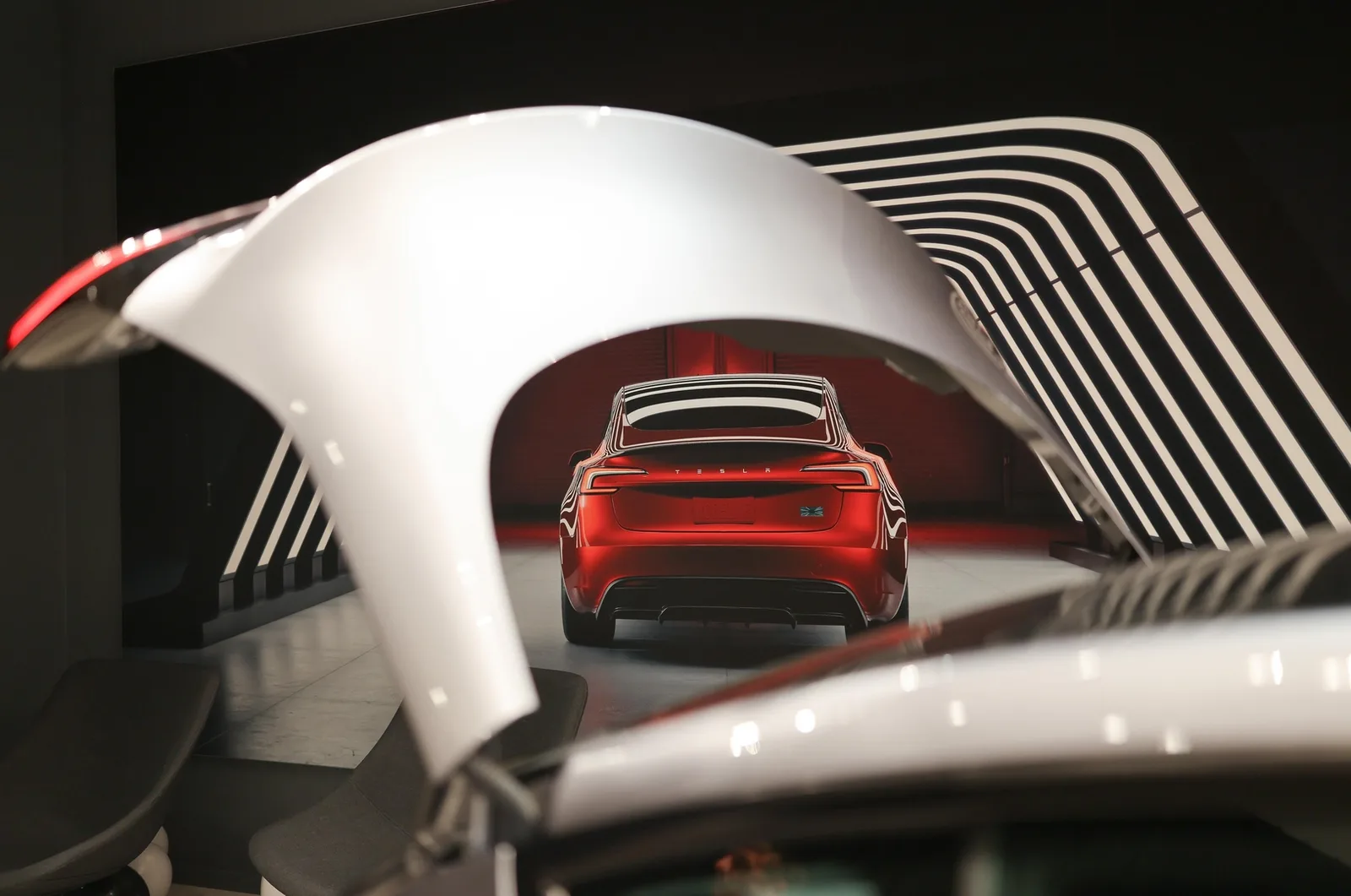
Tesla announced that it delivered 486,532 vehicles in the 3rd quarter of this year, covering July through September. This figure is approximately 2.1% lower than the 497,099 vehicles recorded during the same period last year. Nevertheless, the result exceeded analysts’ forecast. Because Tesla sells its vehicles directly to buyers, its delivery total is considered its sales figure. The company produced 464,391 vehicles during the same period. This represents an increase of approximately 3.8% compared with 447,450 vehicles in the 3rd quarter of 2025. Of the vehicles produced, 457,387 were Model 3 and Model Y vehicles. The remaining 7,004 vehicles included models such as the Cybertruck, Cybercab, and Semi. Production of the Model S and Model X was discontinued earlier this year. Of the vehicles delivered, 481,166 were Model 3 and Model Y vehicles. The number of other models was listed as 8,295. However, the sum of these 2 figures does not match the total delivery figure. The average of the analysts’ forecasts compiled by the company was 461,974 vehicles for the 3rd quarter. Sales had increased 25% year over year in the previous quarter. The main reason sales fell compared with last year was the expiration of the 7,500-dollar (12,750-manat) federal tax credit. Because the credit expired on September 30, 2025, buyers accelerated their vehicle purchases in the 3rd quarter of last year. Elon Musk had previously said that the elimination of the tax credit and economic conditions could result in several difficult quarters for the company. Elon Musk believes Tesla can return to growth through its artificial intelligence plans, robotaxis, and humanoid robots. The Cybercab, which has no steering wheel or pedals, was launched in Austin in July. However, Musk’s prediction that 50% of the U.S. population could use Tesla robotaxis by the end of 2025 did not materialize. Tesla has recently experienced both positive and problematic developments. The Semi and Cybercab have returned to the spotlight, and sales in Europe have recovered. The company’s share of the U.S. electric vehicle market has also increased. On the other hand, delays in unveiling the next-generation Roadster and a federal investigation related to the Cybercab presentation have increased pressure on the company.
The company produced 464,391 vehicles during the same period. This represents an increase of approximately 3.8% compared with 447,450 vehicles in the 3rd quarter of 2025. Of the vehicles produced, 457,387 were Model 3 and Model Y vehicles. The remaining 7,004 vehicles included models such as the Cybertruck, Cybercab, and Semi. Production of the Model S and Model X was discontinued earlier this year. Of the vehicles delivered, 481,166 were Model 3 and Model Y vehicles. The number of other models was listed as 8,295. However, the sum of these 2 figures does not match the total delivery figure. The average of the analysts’ forecasts compiled by the company was 461,974 vehicles for the 3rd quarter. Sales had increased 25% year over year in the previous quarter. The main reason sales fell compared with last year was the expiration of the 7,500-dollar (12,750-manat) federal tax credit. Because the credit expired on September 30, 2025, buyers accelerated their vehicle purchases in the 3rd quarter of last year. Elon Musk had previously said that the elimination of the tax credit and economic conditions could result in several difficult quarters for the company. Elon Musk believes Tesla can return to growth through its artificial intelligence plans, robotaxis, and humanoid robots. The Cybercab, which has no steering wheel or pedals, was launched in Austin in July. However, Musk’s prediction that 50% of the U.S. population could use Tesla robotaxis by the end of 2025 did not materialize. Tesla has recently experienced both positive and problematic developments. The Semi and Cybercab have returned to the spotlight, and sales in Europe have recovered. The company’s share of the U.S. electric vehicle market has also increased. On the other hand, delays in unveiling the next-generation Roadster and a federal investigation related to the Cybercab presentation have increased pressure on the company.