
18:39Machine-translated from Azerbaijani by AIRead in Azerbaijani
The Biggest Obstacle Facing Humanoid Robots: A Lack of Data
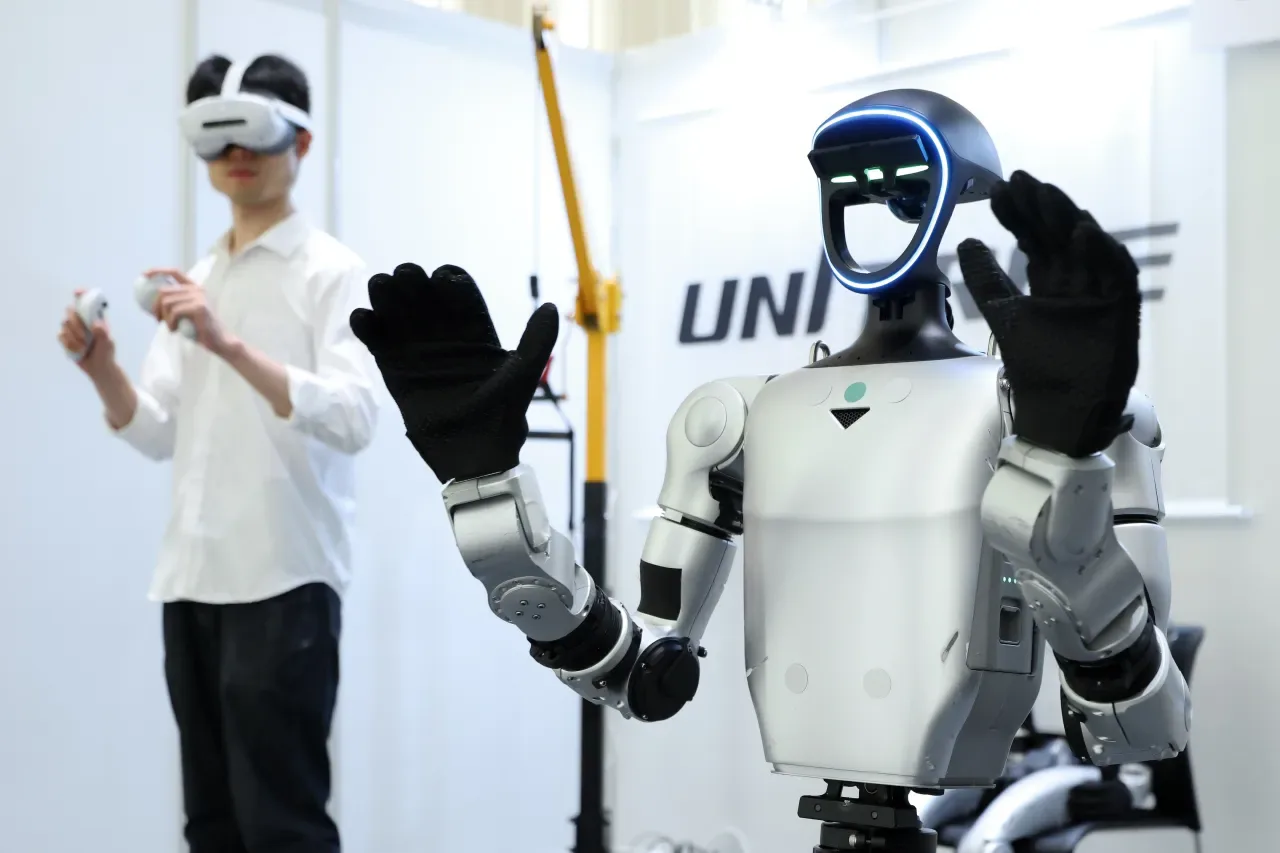
In recent years, robotics has become one of the areas of artificial intelligence attracting the most interest from investors. Companies are raising billions of dollars in investment to apply the approaches used to develop large language models to physical robots. However, while robots’ mechanical capabilities are advancing rapidly, the artificial intelligence needed to ensure that they operate usefully and reliably in the real world is not progressing at the same pace. One of the field’s main problems is a lack of high-quality training data. Language models such as ChatGPT can be trained using the enormous volume of text, images, and other digital data on the internet. The situation is more complicated for robots. For a robot to open a door, pick up an item, clear a table, or safely handle various objects, it needs a large and diverse volume of data about the real physical world.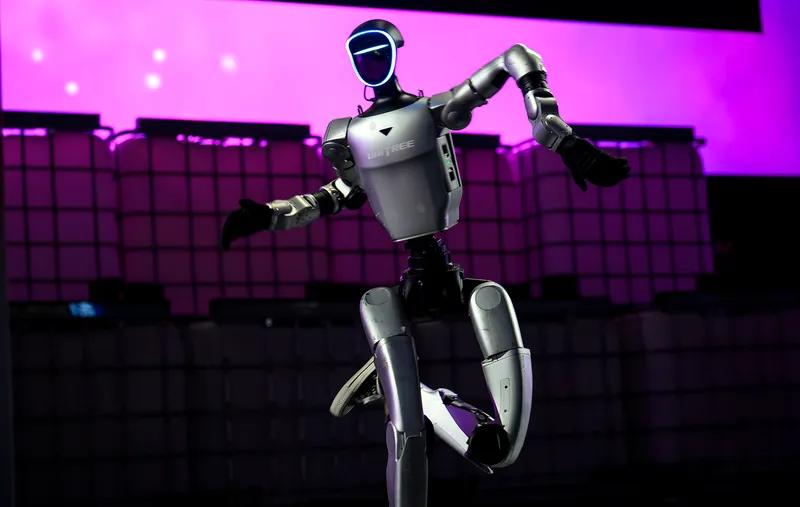 Harry Mellsop, co-founder of Antioch, a startup developing simulation technologies for robotic artificial intelligence, compares the current situation to AI’s “GPT-2 era”. GPT-2 was a model introduced by OpenAI several years before ChatGPT and had considerably more limited capabilities than today’s large language models. According to Mellsop, robotic artificial intelligence needs more data and computing power to advance to the next stage. In particular, creating high-quality virtual environments and training robots in millions of different situations within them could play an important role. Autonomous vehicles are currently one of the most advanced areas of physical artificial intelligence. One of the main reasons is that large volumes of real-world road data can be collected from vehicles. Moreover, a vehicle’s main task is not to physically manipulate the objects around it, but to move without colliding with them.