
18:50Machine-translated from Azerbaijani by AIRead in Azerbaijani
Trump Wants to Require AI Data Centers to Provide Power to Communities
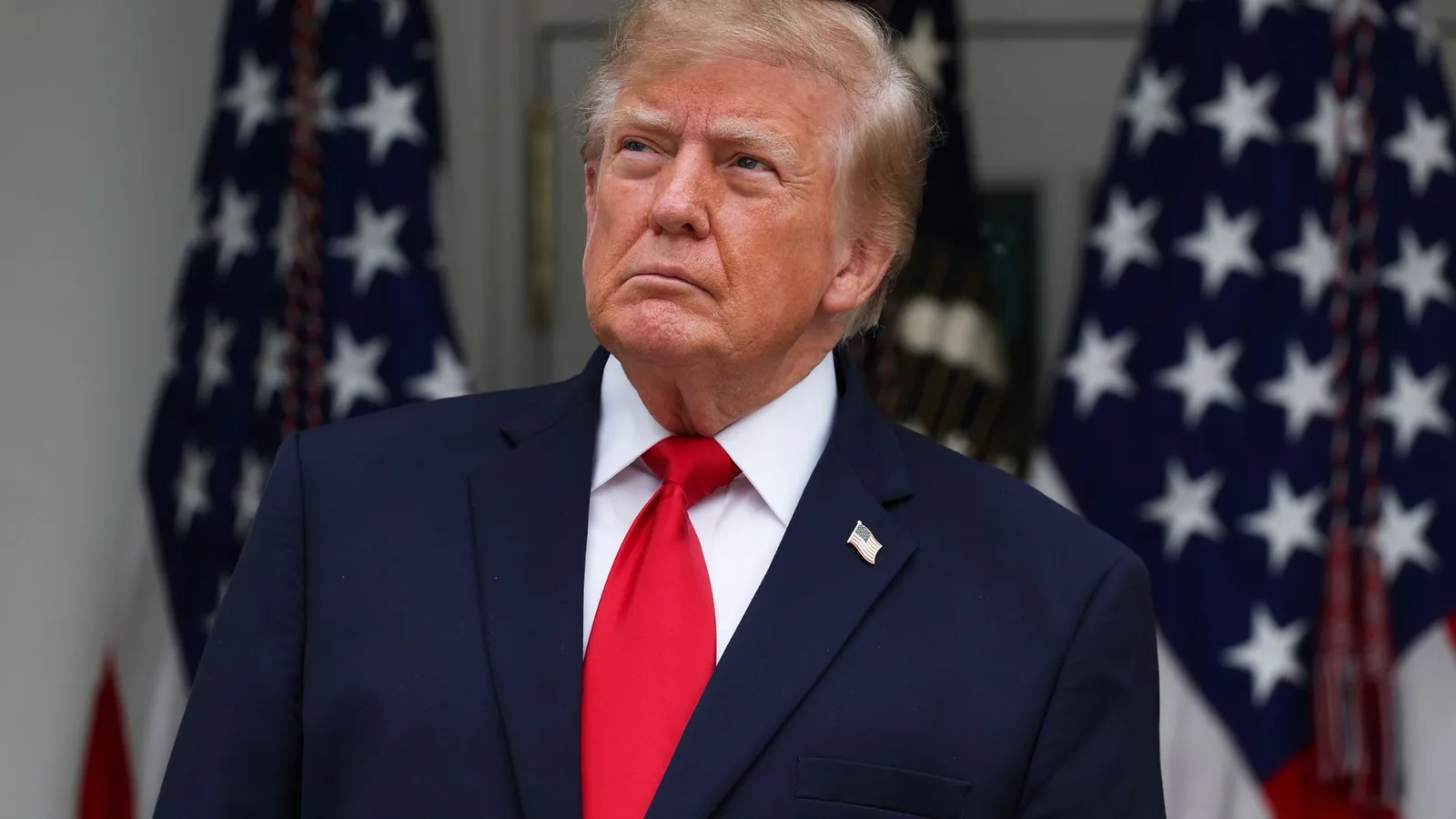
U.S. President Donald Trump wants to require artificial intelligence (AI) data centers to pay local communities an energy dividend—that is, a share of energy revenue. He wrote on the “Truth Social” platform that these centers should generate the electricity they use themselves. Under the plan, operators would have to provide or sell surplus electricity to local communities. How and when the rule will take effect has not yet been announced. The plan has emerged amid growing protests against AI data centers in various parts of the United States. Local residents are concerned about rising electricity prices, noise, and water shortages. Air pollution, deforestation, and other environmental problems are also fueling protests. Large data centers consume large amounts of electricity and water to operate and cool their equipment. It is not yet clear what form the energy dividend will take. One option is for data centers to cover part of the increased electricity costs for nearby homes. Additional electricity generated by the centers could be fed into the local grid and help lower prices. The plan does not specify how much communities would be paid. Under another rule recently adopted in the United States, data centers must cover the cost of upgrading the power grid themselves. The aim is to prevent these costs from being covered by local residents’ taxes. The administration also wants more data centers to be built to gain an advantage in the artificial intelligence race with China. The new requirement is expected to soften local communities’ attitudes toward such projects. Donald Trump said that data centers that initially faced opposition gained more support after a financial agreement was reached. He urged companies to reach agreements with local communities. However, it is unclear whether financial and energy concessions will completely end the protests. Problems such as high water consumption, environmental damage, and pollution still remain unresolved.