
22:00Machine-translated from Azerbaijani by AIRead in Azerbaijani
U.S. Air Force to Pay Up to $49 Million for Weather Data
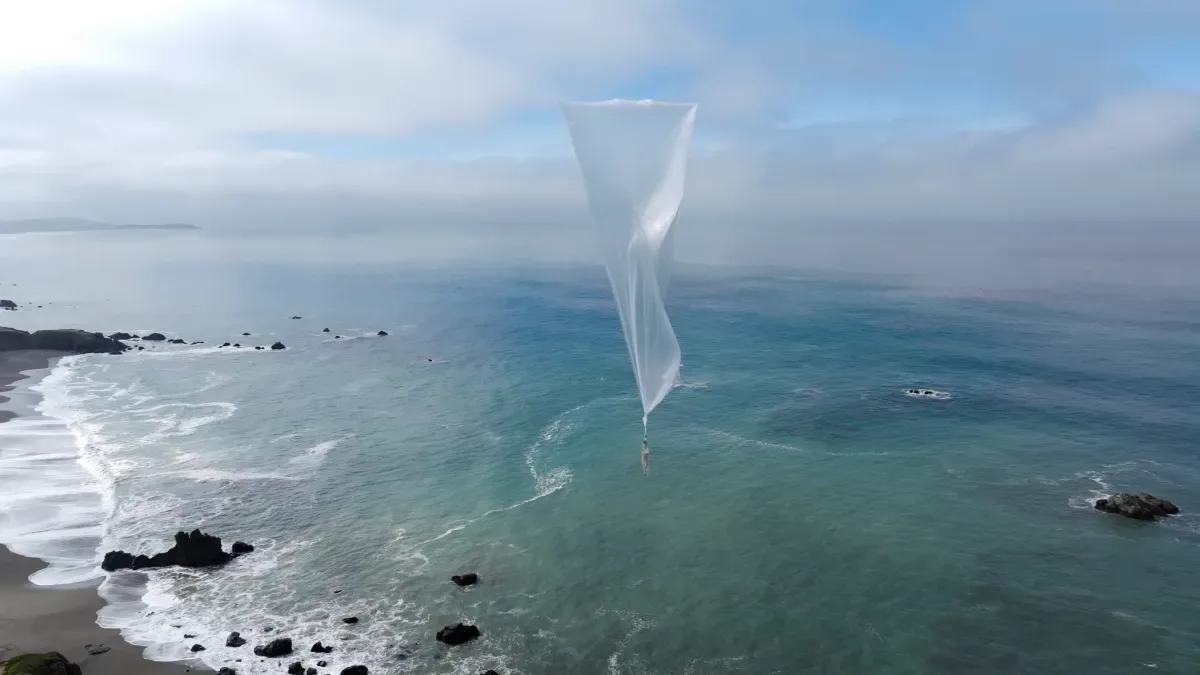
The U.S. Air Force will purchase atmospheric data collected by “WindBorne Systems” using autonomous weather balloons. The contract has a maximum value of $49 million (approximately 83.3 million manats). Founded in 2015, the company currently has approximately 700 weather balloons flying worldwide. The data collected by the sensors is both sold to customers and used in the company’s AI-powered weather forecasting model. “WindBorne Systems” has previously worked with the U.S. National Weather Service, Air Force and Navy. The new agreement is the largest contract the company has participated in to date. Payments will be made as the need for data arises, and orders can be placed for a specific region and time. So far, $1.7 million (approximately 2.89 million manats) worth of data has been ordered. The contract was awarded without a competitive bidding process. The U.S. government concluded that only “WindBorne Systems” could collect global data in the required format. The money will be spent on expanding the weather balloon network, upgrading equipment and conducting research. In August, the company raised $37 million (approximately 62.9 million manats) in Series B funding to expand its business. The company also released a forecasting model called “WeatherMesh 6” over the summer. “WindBorne Systems” claims the model is more accurate than the European Centre for Medium-Range Weather Forecasts’ traditional system based on the laws of physics. Artificial intelligence learns from weather data collected over many years to produce forecasts more quickly. However, AI and traditional models are still used together to assess weather conditions accurately. “Google DeepMind”’s cyclone forecasting tools are also increasingly being taken into account in U.S. government decisions during hurricane season. In August, “WindBorne Systems” became the first organization to enter the eye of a typhoon with an unpowered flight system and collect data. The balloons are steered by changing their altitude, releasing the air inside them and dropping the sand carried as ballast. This allows them to reach wind currents moving in the desired direction. The operation is considered one of the first examples of an AI model that learns from large volumes of data being used to make real-world decisions.