
14:14Machine-translated from Azerbaijani by AIRead in Azerbaijani
U.S. senators probe privacy risks in Meta’s smart glasses
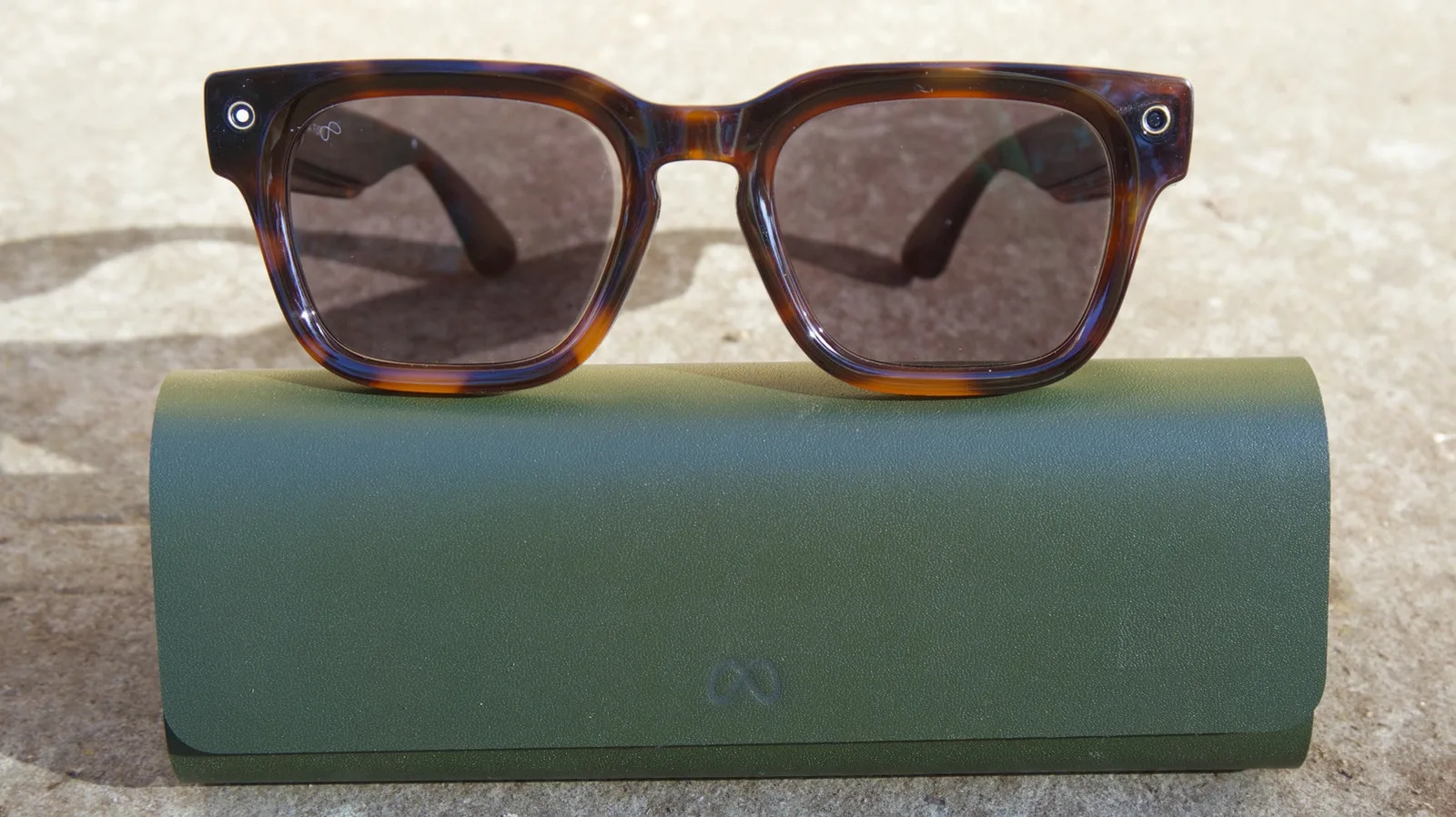
U.S. Senators Ron Wyden and Edward Markey have launched an investigation into Meta’s smart glasses with artificial intelligence features. In a letter sent to Mark Zuckerberg on October 29, they said the glasses pose serious privacy and safety risks to both users and people around them. According to the senators, the company knew about these risks before the product went on sale in 2021.
The letter listed cases in which men used the glasses to record women without permission, harass them and share the footage on social media. According to other allegations, contractors viewed videos of people undressing and engaging in intimate relations. A lawsuit also stated that some people were unaware that their private moments had been recorded with the glasses.
The senators are seeking explanations about accidental camera activation and tampering with the light that indicates recording. They also asked whether people’s faces and license plates are blurred when the artificial intelligence features are operating. The company must also disclose the conditions under which employees and contractors view footage and whether the materials have been used to train artificial intelligence models. Information was also requested about human rights assessments and safety testing. The company has been asked to respond by November 26, 2026.
Before the investigation, some users alleged that the glasses recorded conversations without consent following a software update. Although Meta said it had fixed the problem, it did not explain the cause. In August, a change was made to prevent the camera from operating when the light indicating that recording is underway is covered. The company also released new smart glasses with audio-only functionality in September.
The glasses have also been seen worn by U.S. Immigration and Customs Enforcement officers during raids. In a memo released in January, the New York Police Department’s counterterrorism unit expressed concern about the devices being used for surveillance. California Governor Gavin Newsom vetoed a bill in October that would have banned covert recording with wearable devices in private areas of workplaces.
Another controversial issue is third-party data labelers working in Kenya viewing sensitive videos. Meta announced that it had terminated its contract with that contractor. According to the senators, retaining footage to develop artificial intelligence prolongs the risk of those materials being viewed, shared and processed unlawfully. They are demanding that the company demonstrate the concrete steps it has taken to prevent the product from causing such harm.