
20:34Machine-translated from Azerbaijani by AIRead in Azerbaijani
UGreen unveils smart home system that processes data locally
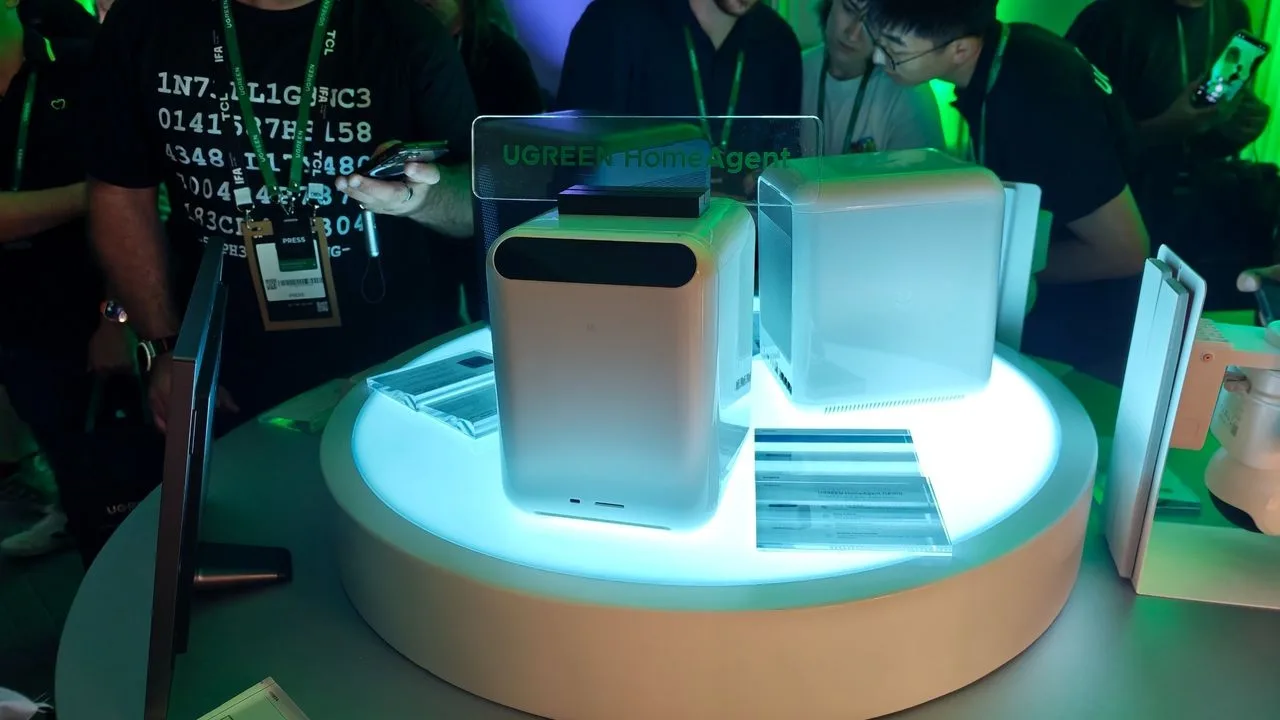
“UGreen” CEO Samuel Zhang said the idea for the new smart home system arose when no one took photos at a family gathering. The company demonstrated the AI system, which runs on the device itself, at the “IFA 2026” trade show in Berlin. At the heart of the system is a control unit called “HomeAgent.” This device brings file storage, data processing, and smart home device control together in a single hub.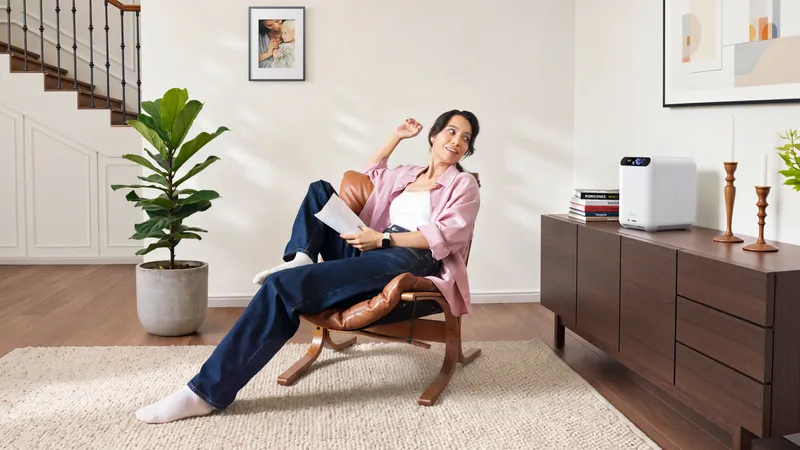 “HomeAgent” can connect cameras, smart speakers, digital photo frames, and devices from some other manufacturers to a unified system. Photos, videos, voice commands, and other files are not sent to the company’s servers but are processed directly in the home. This helps protect personal data. Users also do not need to pay a separate subscription fee for cloud storage. The “HomeAgent” series includes 3 models. The “HA100” performs the core functions, but it has less processing power, memory, and storage. The standard model reaches 26 TOPS in AI computing, while the “HA100 Pro” reaches 205 TOPS. TOPS indicates how many trillion operations a device can perform per second. Along with a more powerful processor, the “HA100 Pro” comes with a faster 10GbE network port instead of 2.5GbE.
 The most powerful model in the series is called “MA100.” This model runs on the “NVIDIA Jetson Thor T5000” platform. Its AI performance, memory, and storage capacity are significantly greater than those of the other 2 models. The “MA100” will sell for 19,999 dollars (approximately 34,000 manats), the “HA100 Pro” for 5,999 dollars (approximately 10,200 manats), and the “HA100” for 1,799 dollars (approximately 3,060 manats). As part of the preorder campaign, prices will be reduced by approximately half, and deliveries will begin in early 2027.
 During the demonstration, “HomeAgent” operated together with a smart camera and speaker. The camera issued a voice warning to a person who crossed a designated boundary near the door. All data was processed within the home. Users can ask the AI assistant named “Uliya” who approached the door. The assistant can distinguish a delivery worker from someone behaving suspiciously and can also prepare a brief summary of events recorded during the day. “Uliya” can also carry out commands such as closing the curtains, playing music, and showing where a pet is. The system can stream the camera’s live feed to a screen and display selected memories on a smart photo frame. When away mode is activated, the lights turn off, the curtains close, and the robot vacuum starts. The system’s capabilities will depend on the number and types of AI-powered smart devices connected to it in the home.
“HomeAgent” can connect cameras, smart speakers, digital photo frames, and devices from some other manufacturers to a unified system. Photos, videos, voice commands, and other files are not sent to the company’s servers but are processed directly in the home. This helps protect personal data. Users also do not need to pay a separate subscription fee for cloud storage. The “HomeAgent” series includes 3 models. The “HA100” performs the core functions, but it has less processing power, memory, and storage. The standard model reaches 26 TOPS in AI computing, while the “HA100 Pro” reaches 205 TOPS. TOPS indicates how many trillion operations a device can perform per second. Along with a more powerful processor, the “HA100 Pro” comes with a faster 10GbE network port instead of 2.5GbE. The most powerful model in the series is called “MA100.” This model runs on the “NVIDIA Jetson Thor T5000” platform. Its AI performance, memory, and storage capacity are significantly greater than those of the other 2 models. The “MA100” will sell for 19,999 dollars (approximately 34,000 manats), the “HA100 Pro” for 5,999 dollars (approximately 10,200 manats), and the “HA100” for 1,799 dollars (approximately 3,060 manats). As part of the preorder campaign, prices will be reduced by approximately half, and deliveries will begin in early 2027. During the demonstration, “HomeAgent” operated together with a smart camera and speaker. The camera issued a voice warning to a person who crossed a designated boundary near the door. All data was processed within the home. Users can ask the AI assistant named “Uliya” who approached the door. The assistant can distinguish a delivery worker from someone behaving suspiciously and can also prepare a brief summary of events recorded during the day. “Uliya” can also carry out commands such as closing the curtains, playing music, and showing where a pet is. The system can stream the camera’s live feed to a screen and display selected memories on a smart photo frame. When away mode is activated, the lights turn off, the curtains close, and the robot vacuum starts. The system’s capabilities will depend on the number and types of AI-powered smart devices connected to it in the home.