
15:47Machine-translated from Azerbaijani by AIRead in Azerbaijani
University of Kentucky Employee Granted Religious Accommodation to Avoid Using AI
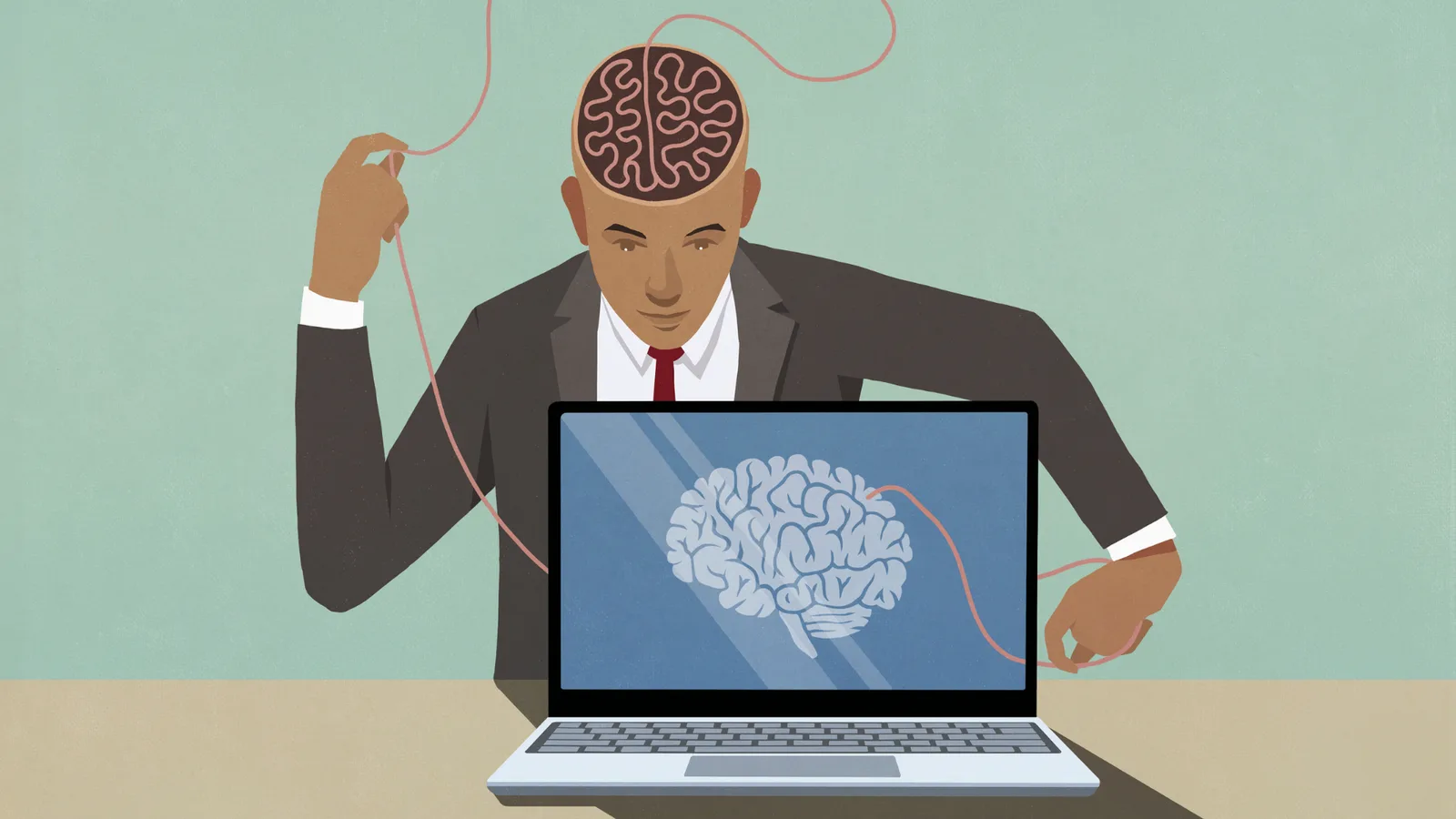
David Durman, a research administrator at the University of Kentucky in the US, has received a religious accommodation allowing him to refrain from using artificial intelligence at work. The university required employees to use artificial intelligence (AI) tools. Durman said sharing his thought process with services such as ChatGPT and Microsoft Copilot was contrary to his humanist beliefs. This decision is one of the rare legal accommodations involving objections to mandatory AI use in the workplace. The accommodation was granted to Durman under Title VII of the Civil Rights Act of 1964. The law prohibits workplace discrimination based on race, color, religion, sex, and national origin. Although humanism is often considered a secular philosophy, US federal courts have ruled that it can legally be recognized as a religion. Durman’s position was therefore deemed eligible for the legal protections afforded to religious beliefs. The American Humanist Association assisted Durman with his application. According to the organization, this is the first such accommodation granted to a person who declined to use AI for humanist and conscientious reasons. The association describes humanism as a comprehensive approach to life based on human worth and dignity. The organization believes humanists should also have the right to protect their beliefs in the workplace. Any employee can request such an accommodation. However, the applicant must have a moral conviction as deeply held as a religious belief. The request must not cause undue hardship for the employer. Durman is no longer personally required to use AI tools while performing his duties. However, he must collaborate with colleagues who use AI, attend meetings, and provide materials for use with these tools when necessary. The spread of generative AI tools that create text, images, and other content in workplaces has intensified debate about their impact on productivity and financial results. About half of employees in the US already use AI in some form at work. However, outside major technology companies, many businesses say they have yet to see financial gains. Executives are also unsure whether the money spent on these tools will pay off. Durman hopes his case will expand freedom of choice for other employees who do not want to use AI.