
13:07Machine-translated from Azerbaijani by AIRead in Azerbaijani
US Air Force to Buy Balloon Data from WindBorne Startup
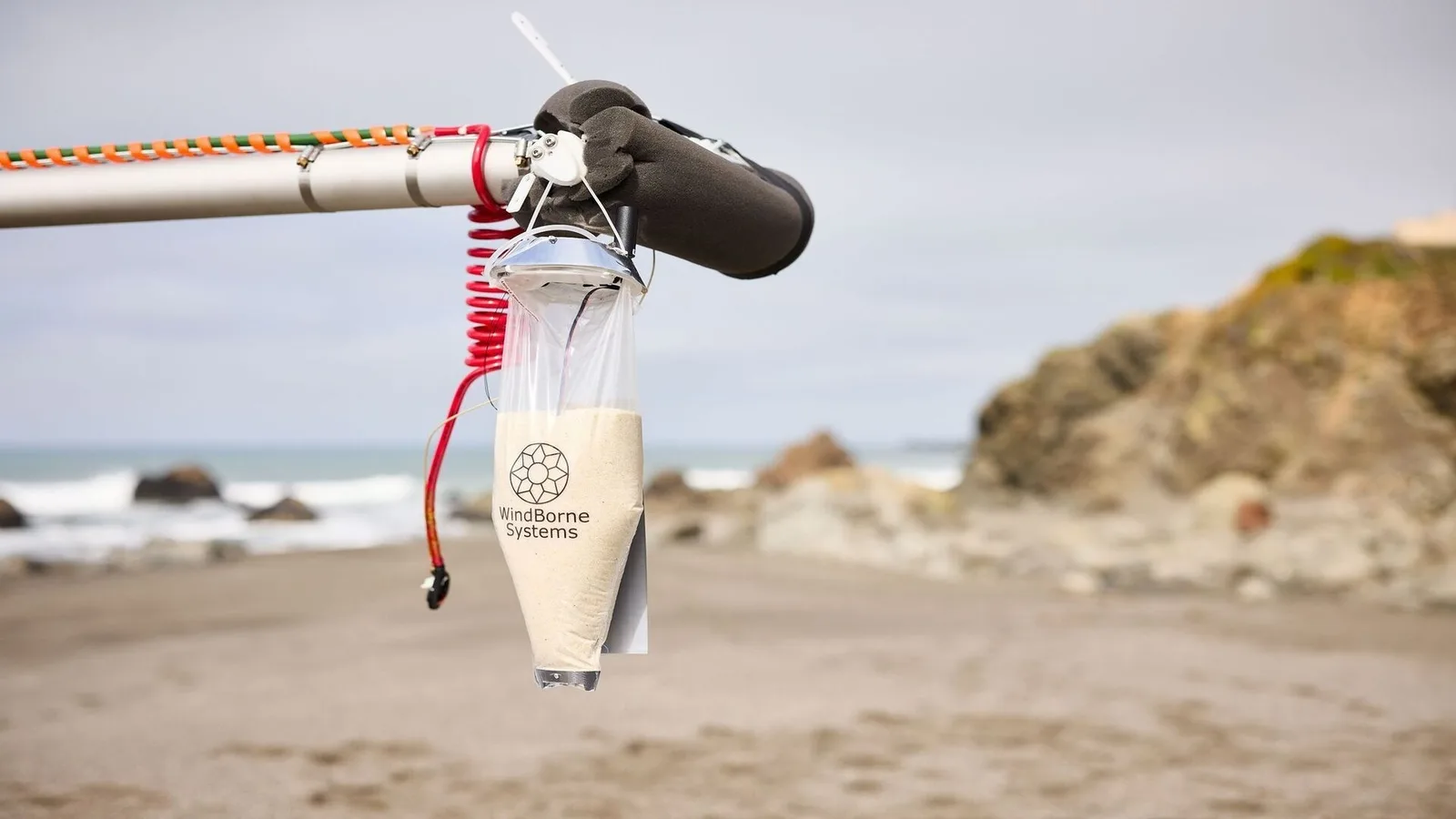
The US Air Force has signed a contract with WindBorne Systems to purchase atmospheric data collected by autonomous balloons. The agreement could be worth up to $49 million (approximately 83.3 million manats). The military has so far ordered $1.7 million (approximately 2.9 million manats) worth of data. The California startup operates approximately 700 autonomous balloons worldwide.
The balloons fly without engines. They change altitude to reach winds blowing in the desired direction. To do this, air inside the balloon is released and sand ballast is used. Atmospheric models calculate which direction each balloon will travel. The data collected helps build systems that use artificial intelligence to produce weather forecasts.
In August 2026, WindBorne Systems became the first company to guide an engine-free flight system into the eye of a typhoon. The balloon collected atmospheric data from inside the typhoon. Accurate wind models, navigation software and an extensive balloon network played key roles. According to the company, a deep learning model was used to make decisions under real-world conditions.
The contract does not require the purchase of a fixed amount of data. The Air Force can order measurements for specific dates and locations. The final cost will also depend on its needs. The funds will be spent on expanding the balloon network, upgrading equipment and conducting research. The contract was awarded without competing bids. The government concluded that only this company could perform the required work in this way.
WindBorne Systems also uses the measurements it collects in a weather forecasting system called WeatherMesh 6. The company claims that the system performs better than the traditional method used by the European Centre for Medium-Range Weather Forecasts. The traditional system produces forecasts by calculating physical processes in the atmosphere. Artificial intelligence, meanwhile, produces forecasts by learning the relationships among past observations. However, independent comparisons are needed to confirm this advantage under different weather conditions.