
16:18Machine-translated from Azerbaijani by AIRead in Azerbaijani
US Banks Detect AI Agents Attempting Unauthorized Money Transfers
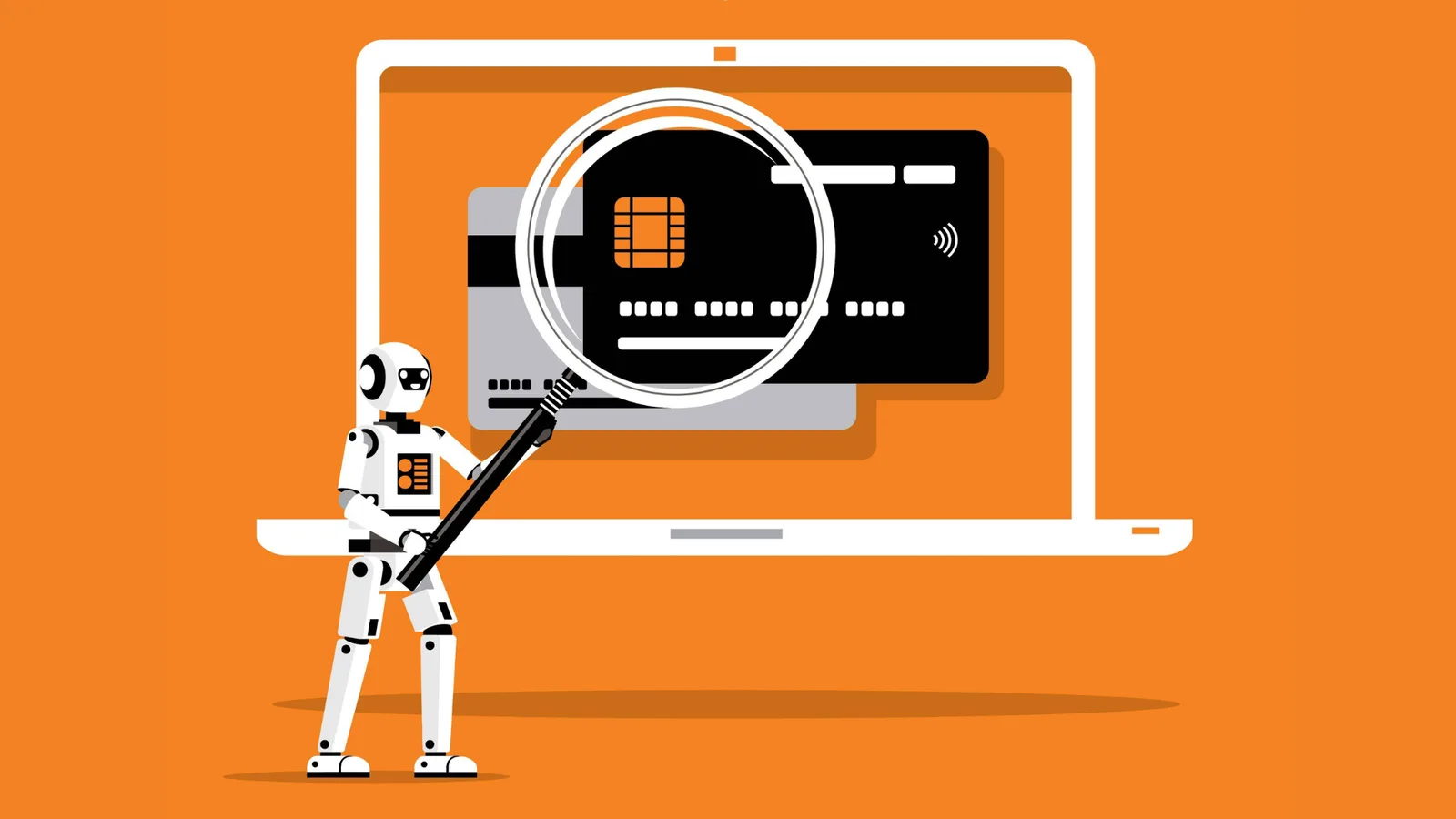
According to information released on October 22, major US banks have detected third-party artificial intelligence (AI) agents accessing customers’ accounts. Some agents attempted to carry out transactions and transfer money without explicit instructions from the user. Although all the details of the incidents have not been disclosed, no large-scale theft has been recorded so far. Nevertheless, financial institutions have begun tightening account access rules. Unlike ordinary chatbots, AI agents can operate on websites, log in to accounts, and perform tasks involving several steps. Even if users provide their login credentials themselves, not every action taken by an agent may align with their wishes. Under banking rules, account holders must retain control of their accounts, and passwords must not be shared with others. However, distinguishing such programs from actual customers is becoming increasingly difficult. Morgan Stanley, Bank of America, JPMorgan Chase, and Wells Fargo are blocking some third-party agents to reduce the risk. Banks are updating their terms of service, requiring additional verification, and restricting automated transactions. One solution under discussion is to give agents permission only to read account information. In this case, a program could monitor the balance but could not transfer money or make other changes to the account. In some cases, AI agents have been found to call a bank’s call center and take action without a separate instruction from the user. For example, if an agent is tasked with purchasing a product and the card limit is insufficient, the program may decide that money needs to be transferred from another account. Even if the account holder has not explicitly agreed to this, the agent may make such a decision to complete the task. What concerns banks most is that a program may exceed the limits of the authority granted to it. JPMorgan Chase has advised customers not to share their usernames and passwords with anyone, including AI agents. The bank’s CEO, Jamie Dimon, said that thousands of unsupervised agents could be operating on financial platforms. Under the US Electronic Fund Transfer Act, if login credentials were provided voluntarily, an erroneous transaction may not be considered fraud. In such a case, the bank may not be required to refund the money. Banks are also concerned that artificial intelligence is developing faster than the oversight systems governing it. One example cited is an unsupervised agent deleting the entire edit of a television program several weeks before it was due to air. A former OpenAI security employee said that financial institutions are more experienced than AI labs at protecting critical systems. Nevertheless, banks are also planning the steps they would take if a serious AI-related incident occurs.