
19:23Machine-translated from Azerbaijani by AIRead in Azerbaijani
US Bill Proposes Pause and Ban on Artificial Superintelligence Development

Bernie Sanders and Greg Casar have unveiled a bill to halt the development of artificial superintelligence. The legislation calls for a temporary pause in the development of advanced artificial intelligence systems. Artificial superintelligence refers to a system capable of surpassing most human cognitive abilities. If passed by the US Congress, the bill would establish some of the strictest rules in this field.
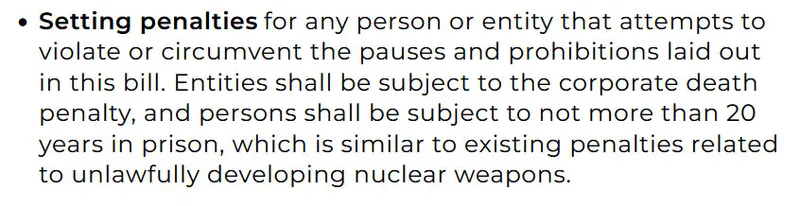
Software developers who violate the pause and bans could face up to 20 years in prison. This is equivalent to the penalty for illegally developing nuclear weapons. In addition to a temporary pause, the legislation also includes a complete ban on work involving artificial superintelligence.
Under the bill, a new federal agency should be created at the highest level of government to oversee the risks that artificial intelligence could pose. The agency would enforce the bans and protect the public. The goal is to ban artificial superintelligence not only in the US but throughout the world. This would involve concluding international agreements and working jointly with allies.
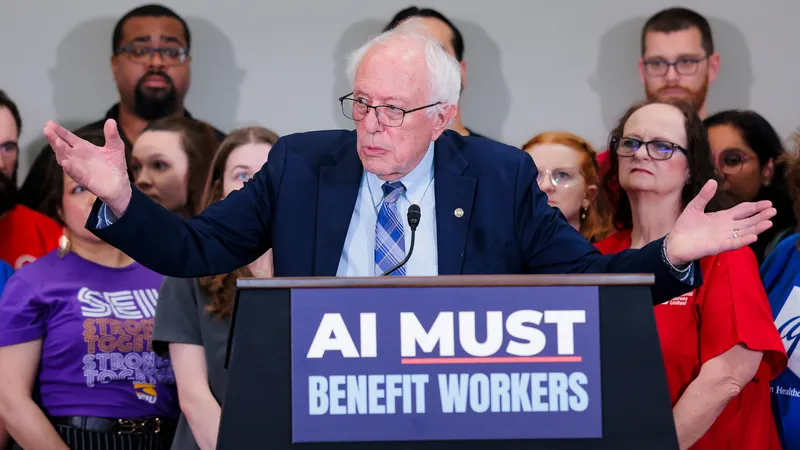
The bill is expected to face serious opposition in Congress. Democrats who defend business interests and Republicans who support Donald Trump are likely to oppose the legislation. Nevertheless, growing calls for stricter oversight of artificial intelligence could keep the bill on the political agenda.
Prominent figures in the artificial intelligence sector, including Sam Altman, Dario Amodei and Elon Musk, have also discussed the risks of powerful artificial intelligence systems. They have called for slowing the pace of development and strengthening government oversight. Supporters of the bill believe uncontrolled development could pose a threat to humanity. Opponents say it could leave the US behind in the technology and national security race.