
15:44Machine-translated from Azerbaijani by AIRead in Azerbaijani
US cities abandon Flock’s license plate-reading cameras
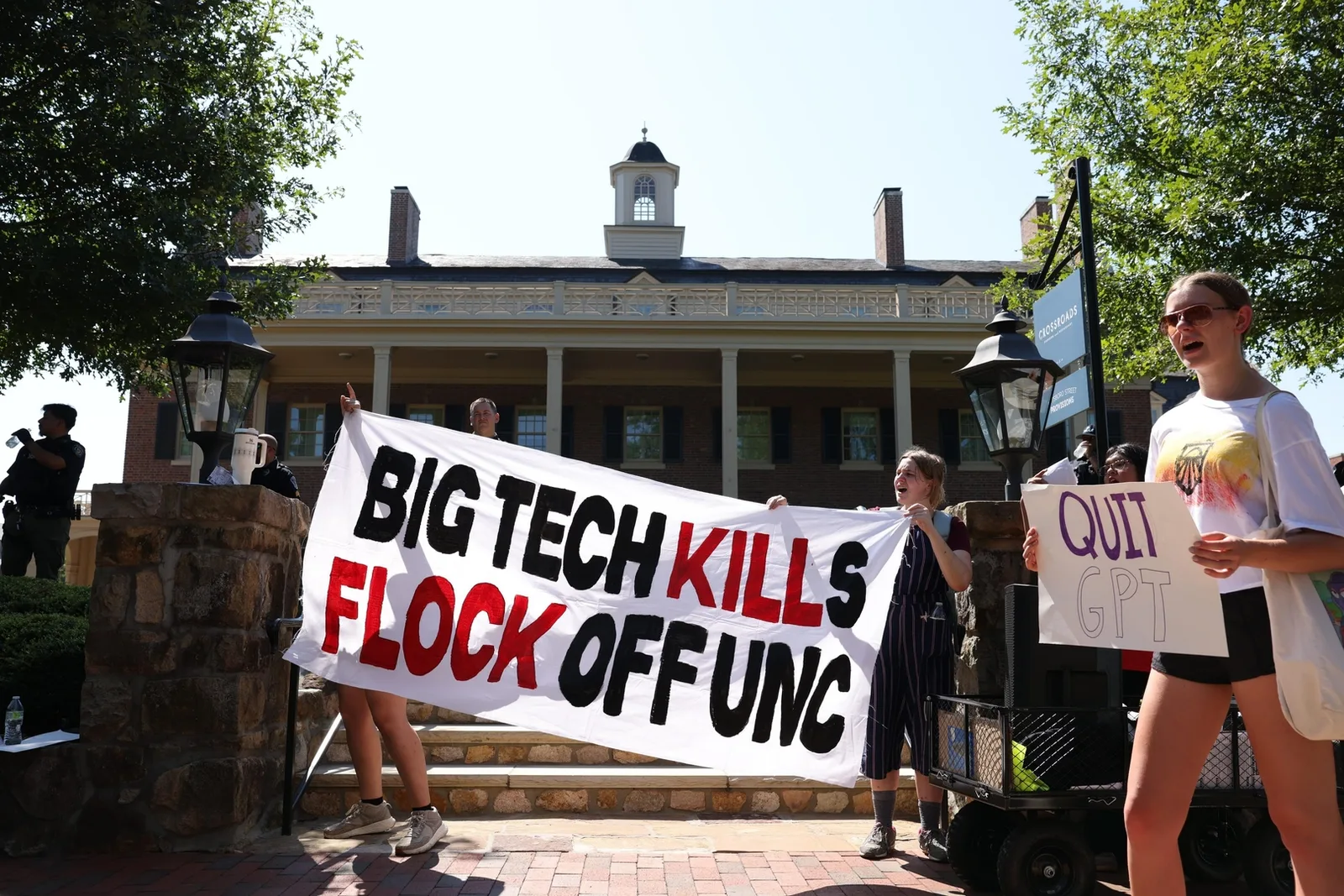
Local governments in cities across the US are canceling contracts with Flock following public protests. The contracts involve AI-powered cameras that read vehicle license plates. Such decisions have been made in several areas, from Florida to Washington state. However, the end of a contract does not mean that the cameras will be removed immediately. It is also unclear when previously collected data will be deleted.
Founded in 2017, Flock has marketed the system to cities, companies and residents as a public safety solution. The company has installed more than 120,000 cameras across the US. Discontent has grown after some police officers used the system to track former partners and other individuals. Critics consider it a vast surveillance network that tracks people’s daily movements.
The city of Sheboygan, Wisconsin, unanimously canceled its contract after learning that an attempt had been made to sell anonymized data back to the city. Flock says it does not sell consumer data. Ten cameras have been covered in Stevens Point. Cameras were also covered with bags in Bridgewater, which has a population of fewer than 7,000. Law enforcement agencies searched the data collected in Bridgewater 7 million times over 12 months.
Following the backlash, Flock made it mandatory to enter a case code for every search. The company also added an Audit Assistance feature that identifies unusual queries. The standard data retention period was reduced from 30 days to 7 days. However, local agencies can extend this period again. Cities will also be able to restrict data sharing based on the type of crime. Privacy advocates believe there are insufficient safeguards to prevent the use of fake case codes.
The Electronic Frontier Foundation and the American Civil Liberties Union have sued the city of San Jose. They argue that the broad sharing of data violates the Fourth Amendment to the US Constitution, which protects against unreasonable searches and seizures. Advocates say license plate records can reveal where a person lives and works. This data can also expose the place of worship they attend, the medical care they receive and the people they contact.
Flock says the federal immigration service does not have direct access to the cameras. Nevertheless, local agencies with 287(g) agreements can use the system during immigration arrests. It was revealed that the Florida Fish and Wildlife Conservation Commission had used the cameras for arrests and to track critics. The state’s transportation department has banned these devices on state roads. However, cameras installed in cities, counties and on private properties belonging to companies such as Home Depot are still operating.
Some cities ending their contracts with Flock are not abandoning surveillance systems altogether. South Pasadena, California, and Durango, Colorado, are exploring alternatives. One option is Axon, which makes electroshock weapons and body cameras. According to privacy advocates, its system combines different types of data in one place. Therefore, merely changing vendors does not solve the problem of mass surveillance.