
17:05Machine-translated from Azerbaijani by AIRead in Azerbaijani
US to Use AI to Identify Confidential Sections in Documents, With Humans Making the Final Decision
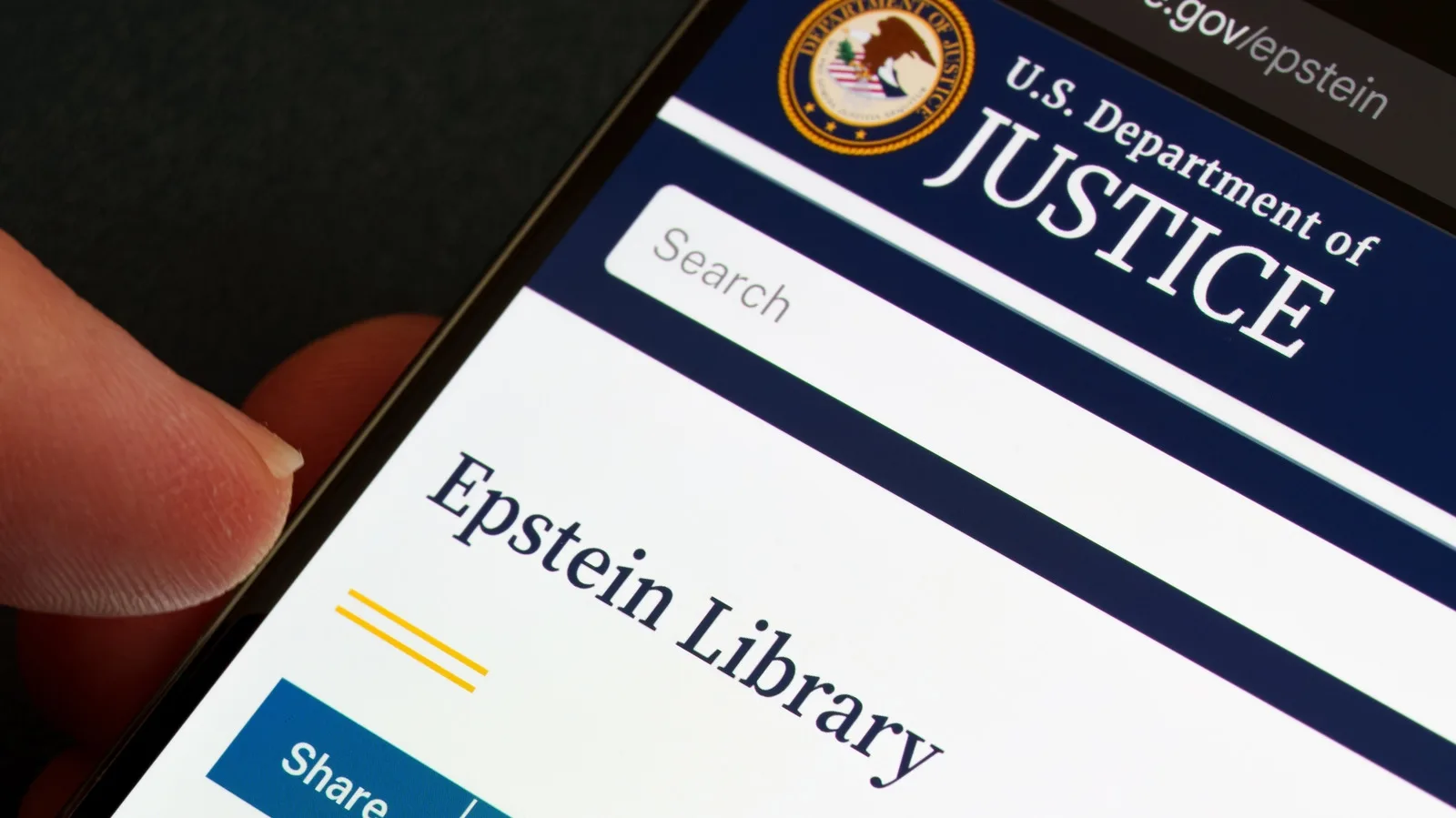
The US Department of Homeland Security is preparing to use artificial intelligence to process requests submitted under the Freedom of Information Act (FOIA). The system will help identify sections of documents that should not be disclosed to the public. By the end of September, this technology will be used for more than 10 percent of all FOIA requests. This involves between 100 000 and 140 000 requests. Under the plan, US Customs and Border Protection will use Google’s artificial intelligence tools. The tools will show employees which sections of a document should be redacted, meaning concealed. However, employees will make the final decision and review each request individually. The goal is to speed up document processing while providing the requester with accurate and complete information. Other US government agencies are also using similar systems or developing their own tools. The Department of the Interior uses Microsoft tools to identify information that should remain confidential between attorneys and clients. The Department of Justice has deployed the Veritone aiWARE system to conceal certain parts of videos. The Department of Health and Human Services is also developing its own tool called FRED. The redaction of information in documents came under discussion again after the US Department of Justice released the Epstein files. At that time, some sections of text in millions of documents were concealed. The government believes artificial intelligence will save time. Experts, however, are concerned that the system will conceal more information than necessary and shield government agencies from public scrutiny.