
22:06Machine-translated from Azerbaijani by AIRead in Azerbaijani
Volvo and Nvidia Are Developing a Driver-Supervised Automated Driving System
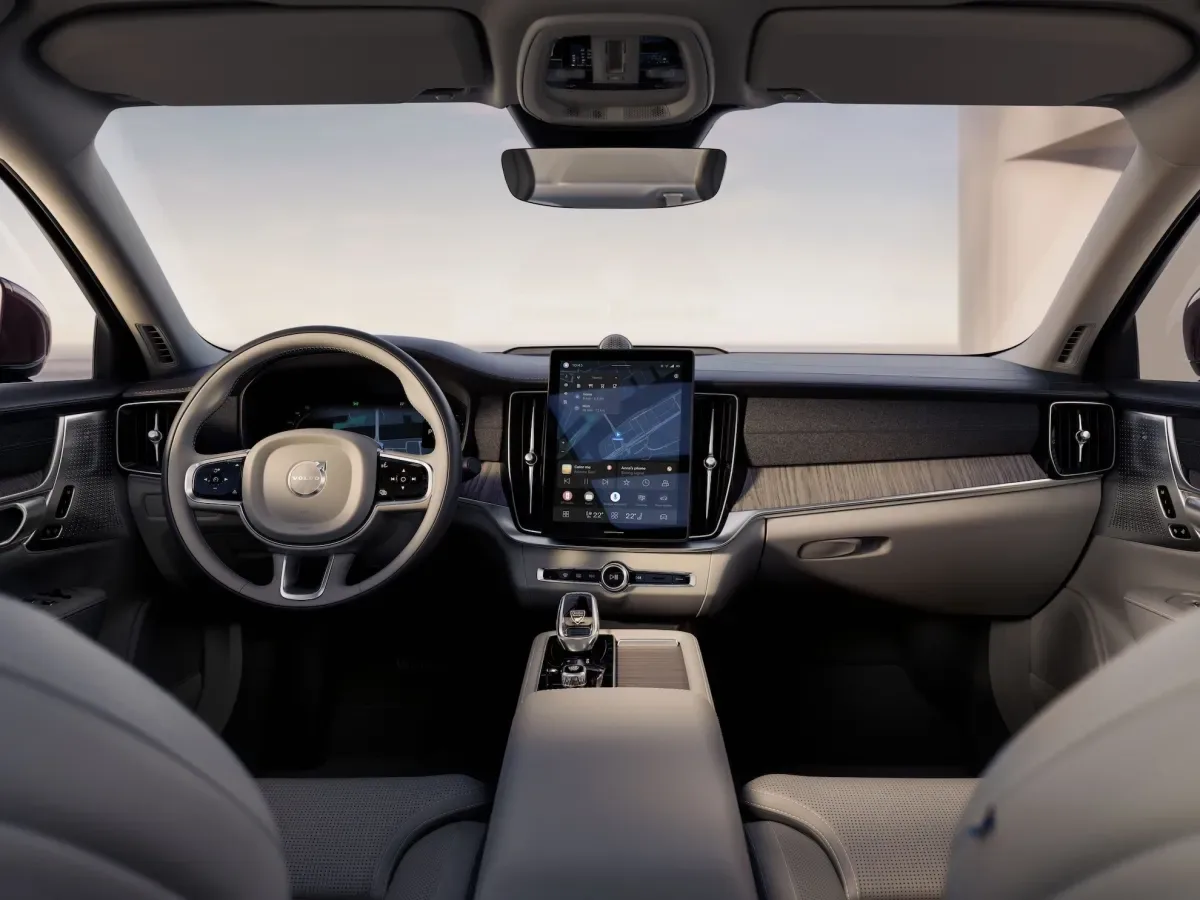
Volvo is expanding its partnership with Nvidia. The companies are developing a new partially automated driving system that will operate on city streets and highways. Volvo plans to launch it by 2030. The Level 2++ system will be able to drive the vehicle from its starting point to its destination without the driver’s hands on the wheel. However, the driver will still have to monitor the road and take control when necessary.
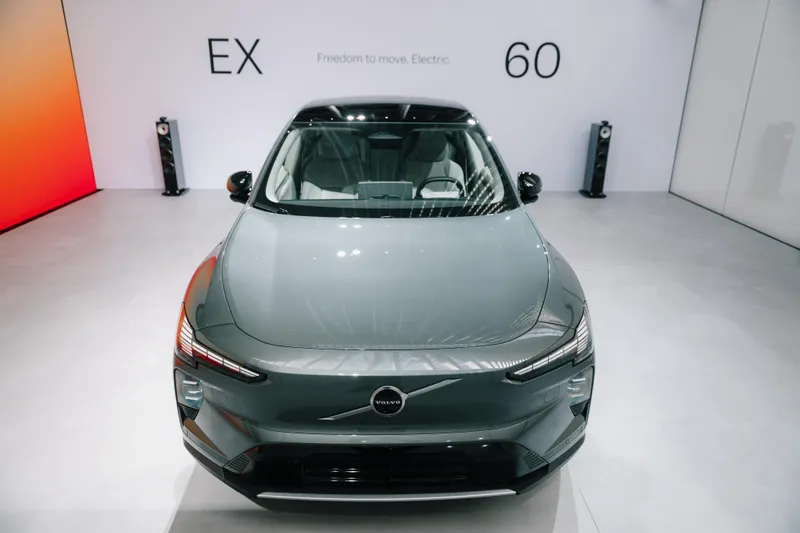
The system will also work on complex city roads with traffic lights, stop signs and unprotected left turns. The feature will be similar to Tesla’s Full Self-Driving system, which requires driver supervision, and the solution in Mercedes-Benz’s new CLA sedan. Volvo has not disclosed which model will feature the technology first. It has only said that it will be an all-new vehicle. The model will be unveiled by the end of 2030.
The project will use Nvidia’s Hyperion sensor and computing platform, Alpamayo driving software and Halos safety assessment system. Hyperion combines powerful chips with cameras and radars around the vehicle. The initial version will not include a lidar sensor that uses lasers to measure distance, but Volvo may add one in the future. Alpamayo will analyze road conditions and plan decisions related to steering, braking and acceleration.
Alpamayo uses artificial intelligence models, databases, virtual testing and software development tools alongside conventional driving software. Two software layers that process data from cameras and radars operate simultaneously. According to Nvidia, this approach helps the system operate more cautiously and safely. The open-source software has already been downloaded by more than 650,000 developers.
Volvo will also add its own safety systems and technology that monitors driver behavior in detail to the project. Vehicles will share information about roadwork, hazards and conditions ahead through an interconnected safety system. This means the system will not rely solely on data from each vehicle’s own sensors. The feature is planned to be added across the entire model lineup, from entry-level models to more expensive versions.
The partnership will not be limited to electric models. The technology is also planned for plug-in hybrid and gasoline-powered vehicles. All of Volvo’s electric vehicles currently use Nvidia’s Orin chip. The company previously discontinued the Ride Pilot project after failing to obtain approval in the US. It also abandoned its lidar plans after supplier Luminar went bankrupt. Nvidia also plans to turn ongoing software services into a source of revenue for Volvo.