
10:47Machine-translated from Azerbaijani by AIRead in Azerbaijani
Vulcan Rocket Malfunctions, 40 Amazon Internet Satellites Lost
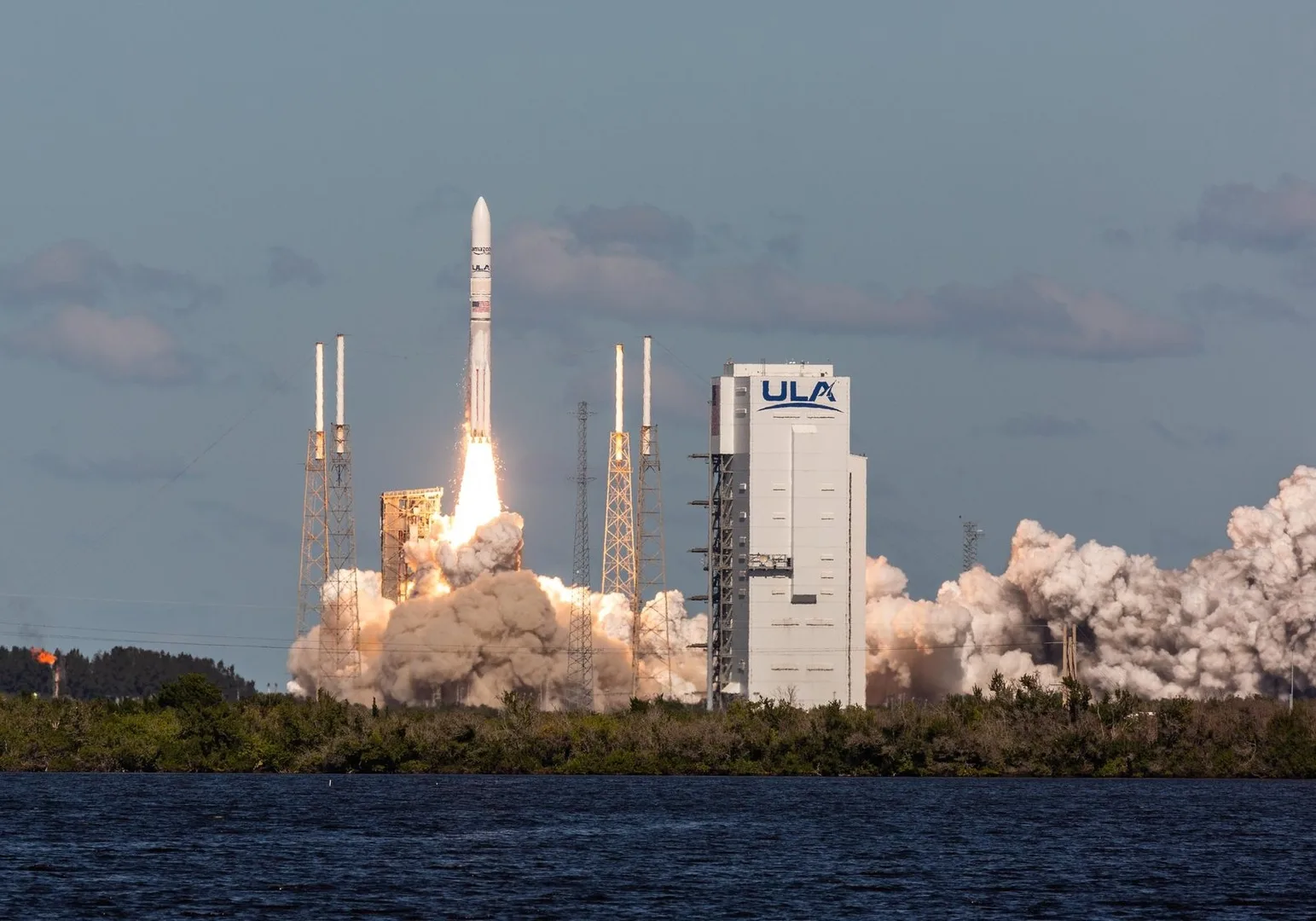
United Launch Alliance’s (ULA) new Vulcan rocket failed to place 40 Amazon Leo internet satellites into orbit. A malfunction 10 minutes after liftoff resulted in the loss of the satellites. This is the first failed launch in ULA’s history and has dealt a serious blow to Amazon’s satellite internet plans.
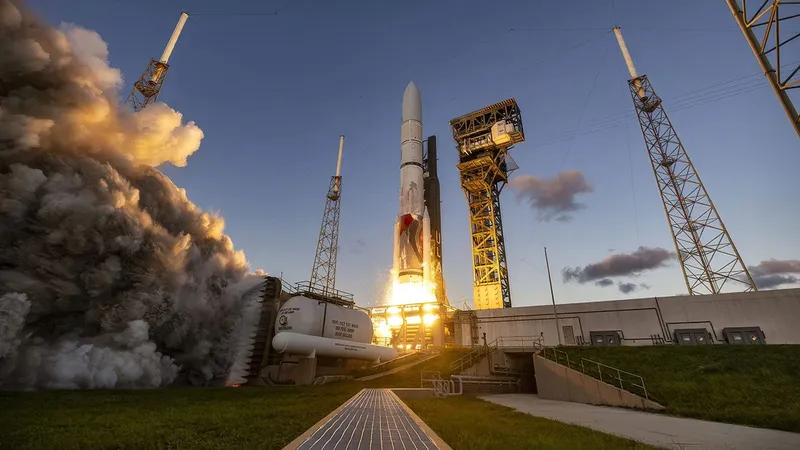
The launch took place at around 21:40 on November 15, 2026, from Space Launch Complex 41 in Florida. The flight was initially scheduled for Friday but was postponed because of a problem during fueling. On Sunday, the countdown was also halted 20 seconds before liftoff because of an unidentified technical problem. The issue was resolved before the launch window closed.
The rocket’s solid-fuel boosters had caused problems on the previous 2 flights, but they operated normally this time. The methane-powered main engines remained active longer than indicated in ULA’s plan. The hydrogen-powered Centaur upper stage then separated and began a 12.25-minute engine burn. The malfunction is believed to have occurred during this phase.
ULA has not yet determined the cause of the problem. The company said it would investigate the issue together with the customer and relevant authorities and resume flights as soon as possible after making the necessary corrections. ULA was established in 2006 as a partnership between Boeing and Lockheed Martin and has so far been known for its reliable Atlas V rocket. The more powerful Vulcan may now undergo a detailed technical inspection and be grounded for some time.
The failed mission was supposed to be the first of 38 launches agreed upon with ULA for Amazon Leo satellites. The project previously completed 8 successful missions using the Atlas V rocket. The investigation into Vulcan could delay subsequent launches. Amazon Leo is being developed as a competitor to SpaceX’s Starlink network in the satellite internet market.
The Federal Communications Commission had required the Amazon Leo system to place 1,600 satellites into orbit by July 31, 2026. However, it currently has only 390 operational satellites in orbit. Under the plan, the total number of satellites is expected to reach 3,232 by July 2029. The New Glenn rocket of another partner, Blue Origin, exploded on the launch pad in May. A total of 24 flights have been ordered using that rocket. Despite the risks, Amazon said it continues to have confidence in ULA.