
21:04Machine-translated from Azerbaijani by AIRead in Azerbaijani
Waymo Does Not Consider Tesla's Camera-Only Autonomous System Safe
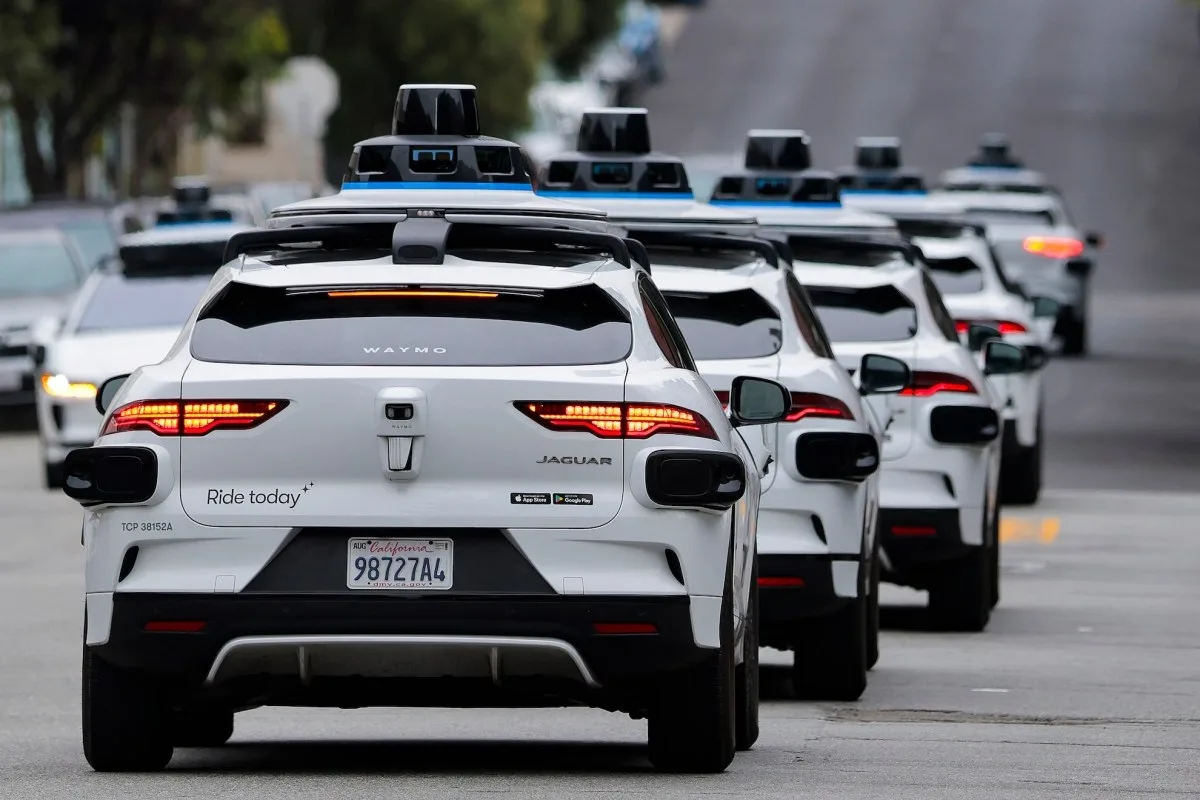
Waymo has stated that fully autonomous vehicles cannot operate safely using only cameras and an end-to-end AI system. The company considers a mixed sensor suite comprising cameras, lidar, and radar essential. This position was expressed one week before the two-seat Cybercab model's expected official debut on Tesla's robotaxi network on September 3. Waymo also announced that it had entered three new markets in the United States. According to the Waymo executive responsible for its driving software, the company's more than 200 million miles of real-world driving experience shows that cameras alone are insufficient. Camera, lidar, and radar data are processed together to create a more complete picture of the surroundings. The company also highlights the risk of black-box errors in an end-to-end neural architecture that converts raw images directly into steering commands. AI models with trillions of parameters can also produce incorrect results, and a system in the physical world cannot be restarted immediately. This approach has enabled Waymo to build a network of approximately 4,000 robotaxis covering 14 cities in the United States. The company currently completes 500,000 paid rides per week and offers its service in more than ten cities overall. Tesla, meanwhile, has rejected lidar and is focusing entirely on achieving full autonomy through cameras and AI. The two companies' different technologies are competing in the rapidly growing robotaxi market. Cybercab is a gold-colored, two-seat sedan with a relatively small battery, designed without a steering wheel or pedals for fully autonomous use. Tesla aims to increase annual production of the model to more than 125,000 units. The company has already begun registering the vehicles in Texas ahead of the event on September 3. Dozens of the vehicles have also been seen in parking lots around the country, indicating that an initial fleet is being prepared. Tesla has yet to prove that its fully autonomous software works at scale. Although the company promised that 1 million robotaxis would be on the road by 2020, it is years behind schedule. Small Tesla Robotaxi trials using modified Model Y vehicles have been conducted in several cities in Texas and Florida over the past year. Safety personnel were removed from most of the vehicles only in recent weeks. If Tesla's approach succeeds at scale, it could reduce costs by using fewer sensors and vehicles of its own manufacture. Waymo, by contrast, buys vehicles from other manufacturers and installs additional sensors on them. An import tariff is also paid on the Zeekr-made Ojai before the autonomous system is installed. Nevertheless, a robotaxi service must also address challenges such as severe weather, emergencies, and safety in school zones. It has not yet been announced how quickly the Cybercab fleet will be expanded after the unveiling.