
15:25Machine-translated from Azerbaijani by AIRead in Azerbaijani
X-Bow Systems to Develop 3D-Printed Rocket Motors for the U.S. Army
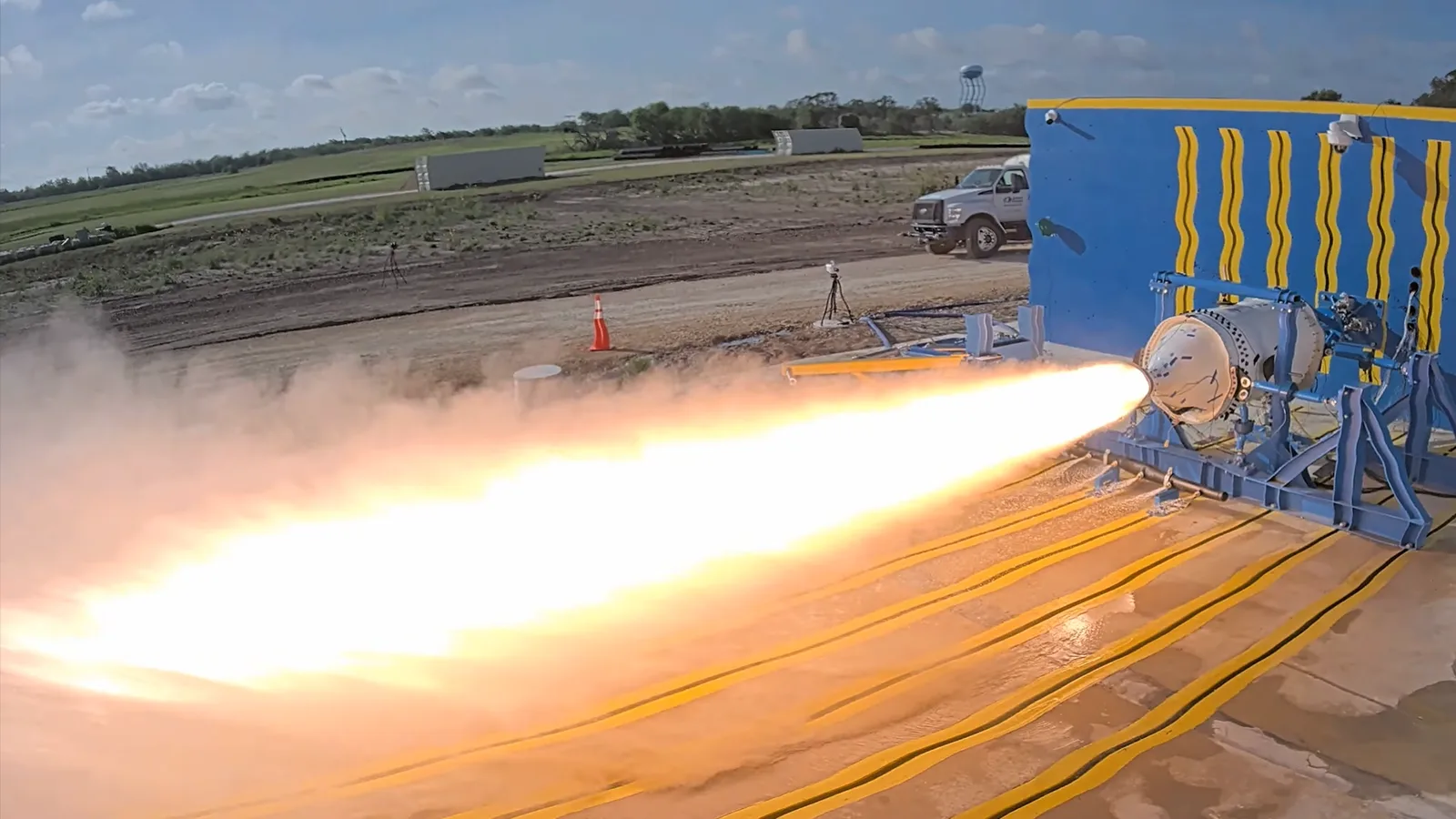
X-Bow Systems will develop 3D-printed solid-fuel rocket motors for the U.S. Army's LCCM project. The company has signed a contract with Leidos for this purpose. The project includes the development of low-cost containerized munitions and cruise missile boosters.
LCCM is one of the projects in the U.S. Department of War's Arsenal of Freedom initiative. The program aims to reinvigorate production in the country's defense industry. Founded in 2016, X-Bow Systems has produced more than 2,100 combat-ready rocket motors to date.
3D printing makes it easier to develop solid-fuel rocket motors with complex designs. This method reduces the time needed to modify a motor's design and produce a new prototype for testing. According to the company, new motor models can be produced within a few days. In traditional defense manufacturing, the same process can take months and sometimes years.
Other manufacturers are also testing 3D printing in rocket technologies. Earlier this year, Chromatic 3D Materials successfully completed an on-site test firing of 3D-printed rocket fuel. In August, Indian startup Othisis demonstrated a cryogenic rocket engine powered by fuel stored at extremely low temperatures. One hobbyist even built a man-portable air-defense missile system for less than $100 (approximately 170 manats).
3D printing is not used only for rocket motors. Another startup will develop prototype jet engines suitable for drones and long-range weapons for the U.S. Air Force. The company received a $30 million (approximately 51 million manats) contract for this work. The U.S. Navy has also begun printing drones and spare parts aboard aircraft carriers.
Some U.S. Army units are using 3D printing to produce munitions called Dragoon Bombs and attach them to drones assembled on-site. These weapons are used against personnel and lightly armored vehicles from a range of approximately 19 km. The war in Ukraine has led to the widespread use of drones and 3D printing on the battlefield. Countries such as the United States and Japan are also interested in these technologies as a way to develop lower-cost weapons.