
17:38Machine-translated from Azerbaijani by AIRead in Azerbaijani
Xeal Wants to Build an AI Network at Charging Stations With 100,000 Nvidia Chips
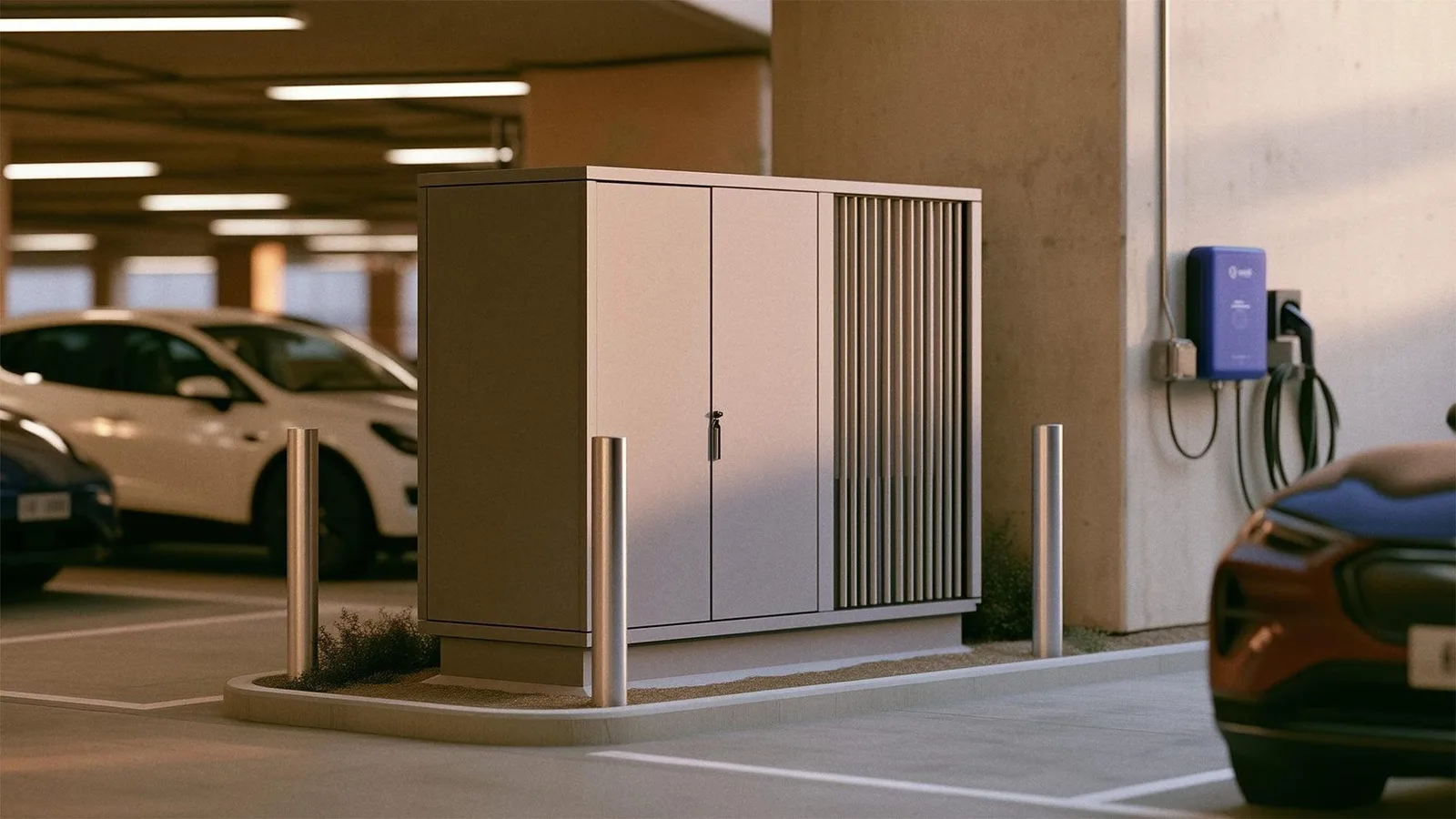
Xeal, which builds charging networks for electric vehicles, wants to create a distributed network that performs AI computations at its sites across the US. The company plans to install more than 100,000 Nvidia graphics processing units (GPUs). The equipment will run on unused electrical capacity at the charging stations. The first Latient Pod unit is expected to become operational by the end of this year. Xeal claims that this will be the world's first such network built on unused charging capacity. Xeal currently has more than 1,600 sites in the US, and the company has 200 MW of permitted and installed electrical infrastructure. These sites typically use less than 10 percent of their permitted capacity. The company plans to use the unused electrical capacity to process requests sent to AI models. This will eliminate the need to build a new data center. Units at various locations throughout a city will operate as a single network. Each Latient Pod unit can house up to 48 Nvidia Hopper or Nvidia Blackwell Ultra GPUs. The unit has its own cooling system and does not need to be connected to a water line. The noise level will not exceed 65 dB, which is comparable to the sound of a washing machine. The NEMA 4-rated protective enclosure is designed for outdoor operation. Installation and commissioning can take several hours. In the system the company calls Metro Edge, units will be installed close to users within a city. According to Xeal, data transmission latency will be less than 20 milliseconds. This means requests can be answered faster than with remote data centers. The site owner can earn fixed rental payments and additional revenue, while Xeal will pay the electricity bill. The company claims that, with little investment, the unit can increase a property's value by up to $1 million (approximately 1.7 million manats). If only 1 unit is installed at each existing site, the number of GPUs will not reach the announced target. Therefore, several units will need to be installed at some locations, or the network will need to expand to approximately 2,100 sites. A single unit containing 48 Blackwell GPUs could be expensive. At 2024 prices, such a unit could cost more than $2 million (approximately 3.4 million manats). Given cases of charging cables being stolen for their copper, protecting the expensive equipment will also be a serious issue.