
17:58Machine-translated from Azerbaijani by AIRead in Azerbaijani
Yanxi Technology Shows Yansyn-X2 Humanoid Robot That Cries on Command
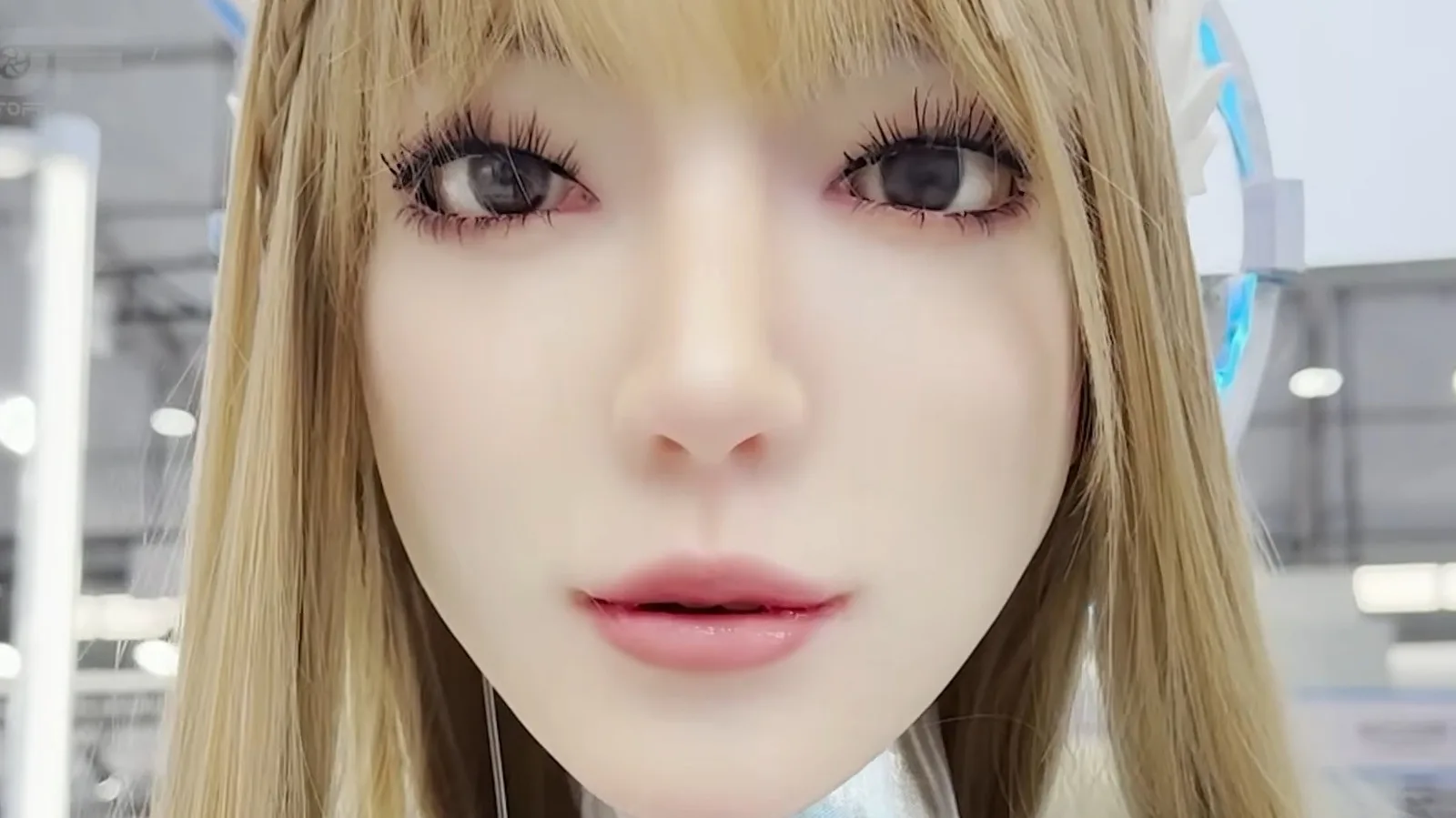
The Yansyn-X2 humanoid robot developed by China’s Yanxi Technology can cry on command. The robot was shown at the Inclusion Conference held in Shanghai in 2026. During the event, the robot was asked to shed tears. A few seconds later, a tear ran from the corner of its eye. This approach, known as “affective computing,” is designed to enable machines to recognize human emotions and respond accordingly. The robot’s emotional response is produced in 3 stages. First, an artificial intelligence algorithm analyzes the content and tone of the conversation and selects an appropriate response. When a sad or empathetic expression is detected, bionic components beneath the face change its facial expression. The robot’s face is made of medical-grade silicone. Finally, a separate microfluidic system delivers liquid to the corners of the eyes, producing artificial tears. Yansyn-X2 cannot walk yet and operates in a fixed position. Nevertheless, it turns its head, tracks people, and gestures with its arms. Future models are expected to replace the servomotors that control movement with bionic muscles. This could make the robot’s facial movements smoother and more varied. According to a study conducted in 2023, robots that display facial expressions matching the emotional tone of a conversation are perceived as more trustworthy and humanlike.
 Humanoid robots’ abilities are not limited to facial expressions. At CES 2026, LG’s CLOiD robot folded and sorted clothes. WIRobotics’ Allex model was able to hold a load of approximately 3 kg and make recognizable hand gestures. SwitchBot’s Onero H1 robot also placed clothes in a washing machine. These examples show that manufacturers are trying to make robots more agile and useful for everyday tasks. Other tests have highlighted robots’ speed and working capabilities. At the 2nd World Humanoid Robot Games in Beijing, Tiangong Ultra ran 100 meters in 9.39 seconds. This result is better than Usain Bolt’s record of 9.58 seconds. In May, Japan Airlines began testing a humanoid robot baggage handler at Haneda Airport. 1X’s NEO home robot sells for $20,000 (approximately 34,000 manats). Initially, the robot requires assistance from remote operators who monitor it through cameras.
The robot’s emotional response is produced in 3 stages. First, an artificial intelligence algorithm analyzes the content and tone of the conversation and selects an appropriate response. When a sad or empathetic expression is detected, bionic components beneath the face change its facial expression. The robot’s face is made of medical-grade silicone. Finally, a separate microfluidic system delivers liquid to the corners of the eyes, producing artificial tears. Yansyn-X2 cannot walk yet and operates in a fixed position. Nevertheless, it turns its head, tracks people, and gestures with its arms. Future models are expected to replace the servomotors that control movement with bionic muscles. This could make the robot’s facial movements smoother and more varied. According to a study conducted in 2023, robots that display facial expressions matching the emotional tone of a conversation are perceived as more trustworthy and humanlike. Humanoid robots’ abilities are not limited to facial expressions. At CES 2026, LG’s CLOiD robot folded and sorted clothes. WIRobotics’ Allex model was able to hold a load of approximately 3 kg and make recognizable hand gestures. SwitchBot’s Onero H1 robot also placed clothes in a washing machine. These examples show that manufacturers are trying to make robots more agile and useful for everyday tasks. Other tests have highlighted robots’ speed and working capabilities. At the 2nd World Humanoid Robot Games in Beijing, Tiangong Ultra ran 100 meters in 9.39 seconds. This result is better than Usain Bolt’s record of 9.58 seconds. In May, Japan Airlines began testing a humanoid robot baggage handler at Haneda Airport. 1X’s NEO home robot sells for $20,000 (approximately 34,000 manats). Initially, the robot requires assistance from remote operators who monitor it through cameras.