
08:48Machine-translated from Azerbaijani by AIRead in Azerbaijani
AI Could Replace Millions of Jobs, but People Will Still Be Needed in These 5 Fields
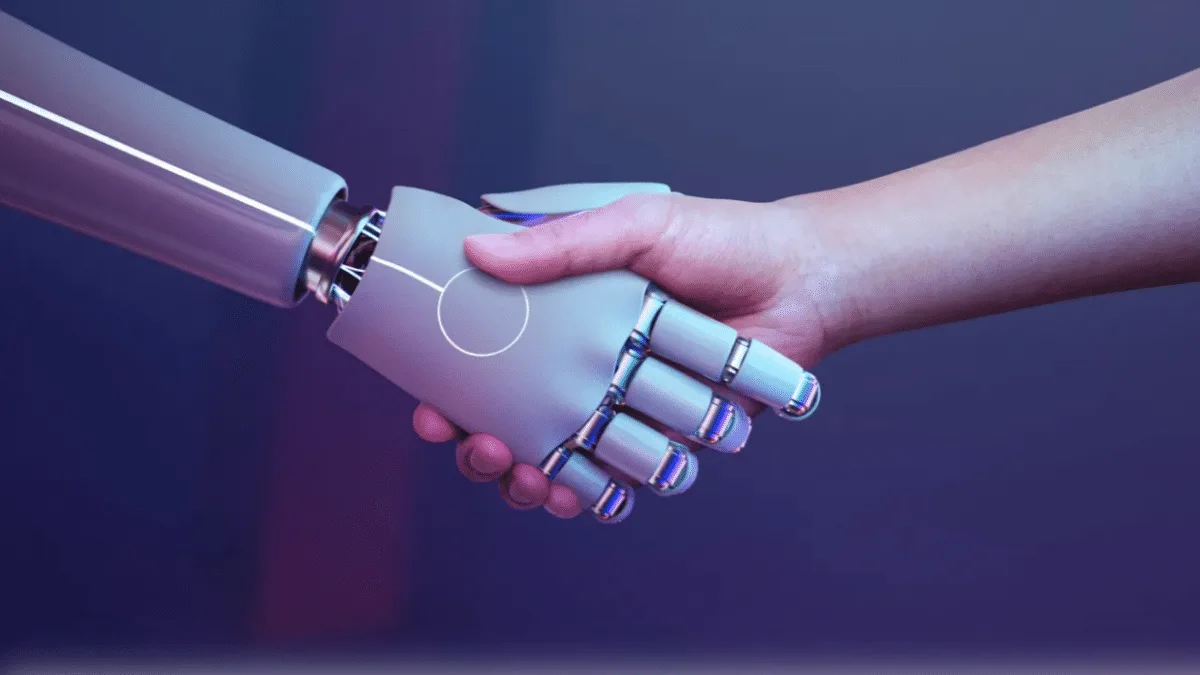
The rapid development of artificial intelligence continues to transform the global labor market. According to UNILAD, approximately 300 million jobs worldwide could be affected by automation. The key difference compared with previous technological revolutions is that the changes are happening more quickly.
Automation primarily affects professions dominated by repetitive and standardized tasks. Data entry, basic technical support, and customer service are cited as examples. The source reports that, amid the growing use of voice bots in call centers, hiring in this field has fallen by 39 percent in the US, 33 percent in Canada, and 27 percent in Germany. The impact of artificial intelligence is also reported to be growing in fields such as software, advertising, and management consulting.
Experts say that skills such as emotional intelligence, flexible communication, generating unconventional ideas, integrating technology into workflows, continuously updating knowledge, and building professional connections will become increasingly important for remaining competitive in the labor market.
According to research by TargetJobs, there are five main fields in which it is more difficult for artificial intelligence to fully replace human labor.
Medicine and psychology rank first. Although artificial intelligence can analyze symptoms, medical information, and large databases, emotional communication with patients and a comprehensive assessment of a person's condition during treatment still require the involvement of a specialist. The issue of legal and professional responsibility for medical decisions also preserves the importance of the human factor.
The second field is education. A teacher's job is not limited to conveying information. Understanding the situation in the classroom, maintaining students' motivation, and taking an individual approach to each student are important parts of the educational process. Therefore, although artificial intelligence has become a powerful tool for teachers, it is considered more difficult for it to fully replace the human factor.
The third area is the creative industries. Modern artificial intelligence systems can create text, images, video, and other types of content. Nevertheless, design, storytelling, and other creative work are also connected to personal experience, context, and the ability to create new meaning. Copyright issues concerning AI-generated content also remain unresolved in many countries.
The fourth area is skilled trades and technical professions. Specialists in electrical work, construction, and similar fields operate in constantly changing conditions that cannot be fully predicted in advance. This is where Moravec's paradox becomes apparent: although computers can easily perform complex calculations, it is more difficult to automate sensory and motor skills that seem ordinary to humans.
The fifth field is regulation, ethics, and public administration. Drafting laws and governing society require not only analyzing data but also assessing the social and ethical consequences of decisions and taking responsibility for them. Therefore, fully entrusting decisions in these fields to algorithms does not appear realistic.
Just as the impact of artificial intelligence on the labor market will weaken some professions, it may also lead to the emergence of new areas of work. The source notes that demand is growing for specialists with the ability to give AI systems the right instructions and integrate them into workflows.
Therefore, the main issue in the future labor market may be less about competition between humans and artificial intelligence and more about professionals who know how to use technology coming to the forefront. Fields requiring emotional intelligence, creativity, physical dexterity, responsibility, and complex human relationships appear more difficult to automate.