
15:18Machine-translated from Azerbaijani by AIRead in Azerbaijani
AI Data Centers’ Cable Demand Slows Drone Production in Ukraine
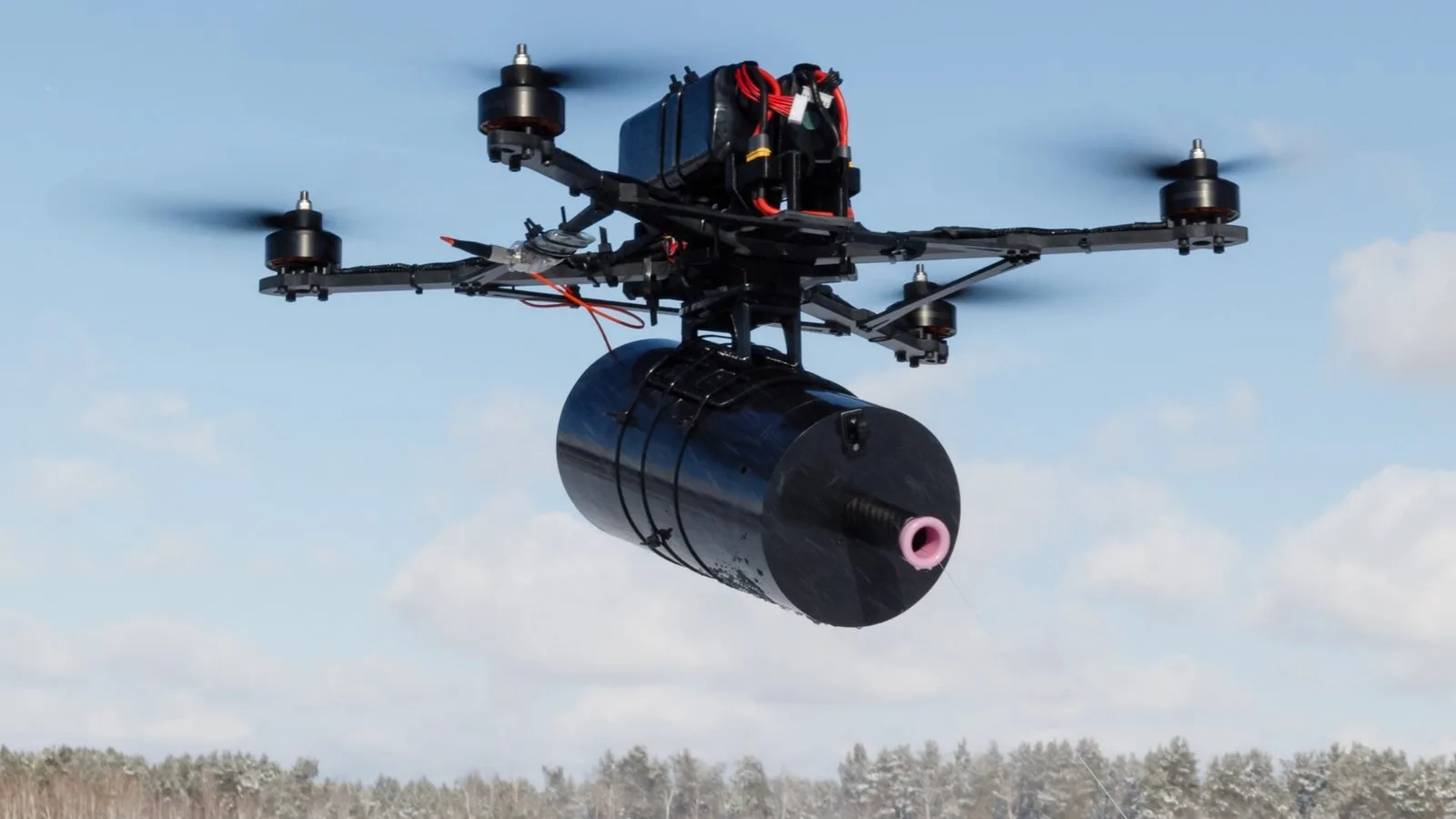
The rapid proliferation of data centers built for artificial intelligence has further exacerbated the global shortage of fiber-optic cable. This situation is also hampering Ukraine’s drone production. According to a representative of the Ukrainian defense company “BlueBird Tech,” cable prices have risen 6- to 10-fold over the past several years. Because data centers buy a large share of the cables on the market, Ukraine is struggling to find enough cable reels to increase production.
Russia’s full-scale invasion of Ukraine in 2022 opened a new phase in drone warfare. Russian forces were the first to use drones controlled by fiber-optic cable to evade electronic interference systems on the front line. Both sides now have such drones. Because their controls do not rely on radio signals, they are unaffected by signal jamming. Their flight range can reach up to 100 kilometers.
Ukraine and Russia produce a combined total of approximately 50,000 fiber-optic drones each month. However, in August 2025, Ukraine was able to purchase only 116 kilometers of cable from Chinese suppliers. Russia imported approximately 528,000 kilometers of cable that month. According to estimates, Russia obtained 59.5 million kilometers of fiber-optic cable over the course of the year. That is more than 10 percent of total global production.
The global fiber-optic cable shortage is estimated to have reached approximately 179 million kilometers. Because China is the main supplier, Ukraine has few options. Moreover, some Chinese companies have refused to sell cable to the country. Russia can obtain the product more easily thanks to its long land border with China. Cable can also be purchased from other countries, but intermediaries and long routes increase the price even further.
Local production of fiber-optic cable is also being discussed in Ukraine. However, such a production line requires specially trained workers. Their training would require the use of already scarce cable supplies. Even if the process were automated, experienced specialists would still be needed to monitor the equipment and check the quality of the finished product.
High demand from data centers is affecting more than just the fiber-optic cable market. Shortages have also emerged in graphics processing units (GPUs), memory chips, electronic circuit boards and power equipment. Devices that transmit optical signals and skilled electricians have also become harder to find. As a result, resource shortages are spreading to sectors outside data centers, including automobile manufacturing, home construction and cable-controlled military drones.