
17:00Machine-translated from Azerbaijani by AIRead in Azerbaijani
CAMCA Regional Forum Concludes in Baku With AI, Investment and the Middle Corridor on the Agenda
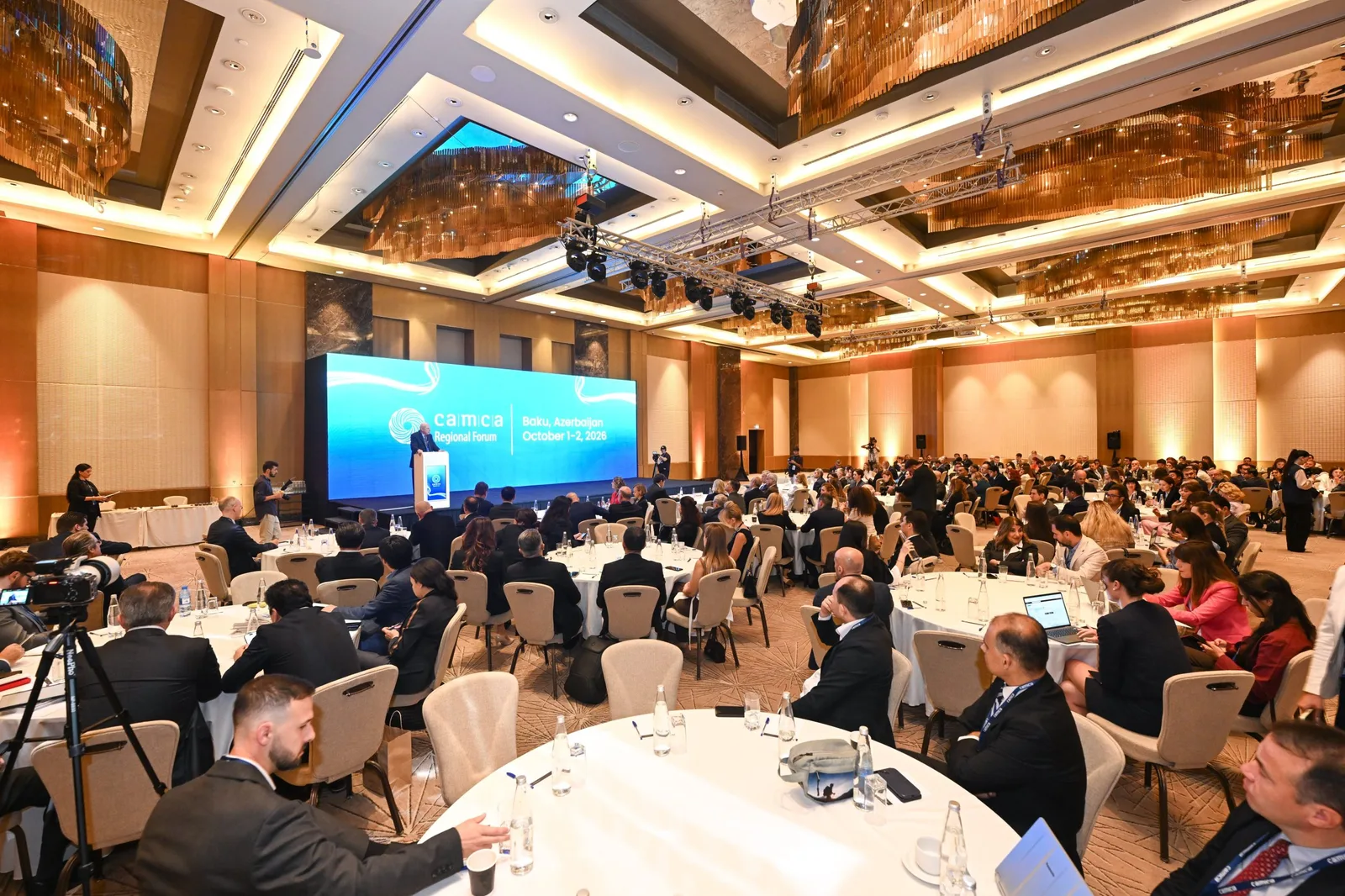
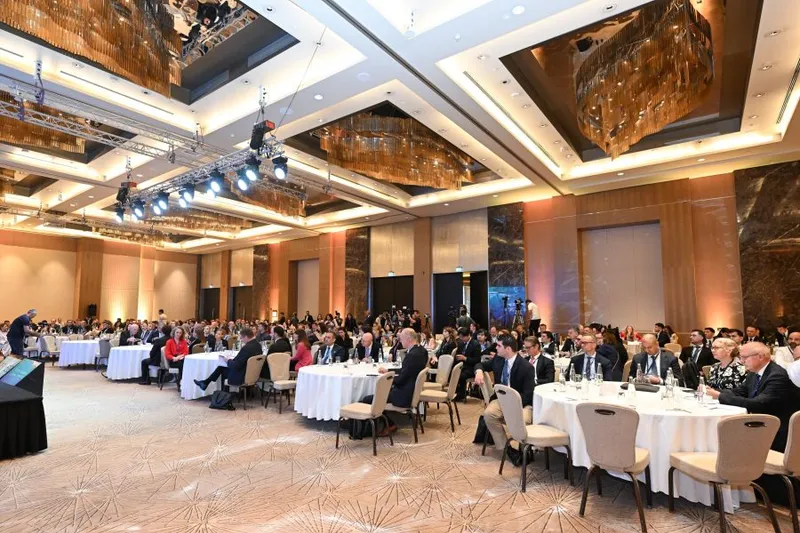
The two-day Regional Forum held in Baku—the annual meeting of regional leaders bringing together Central Asia, Mongolia, the South Caucasus and Afghanistan (CAMCA)—has concluded.
Over two days, the forum brought together representatives of the private and public sectors, high-ranking officials, investors, entrepreneurs and experts.
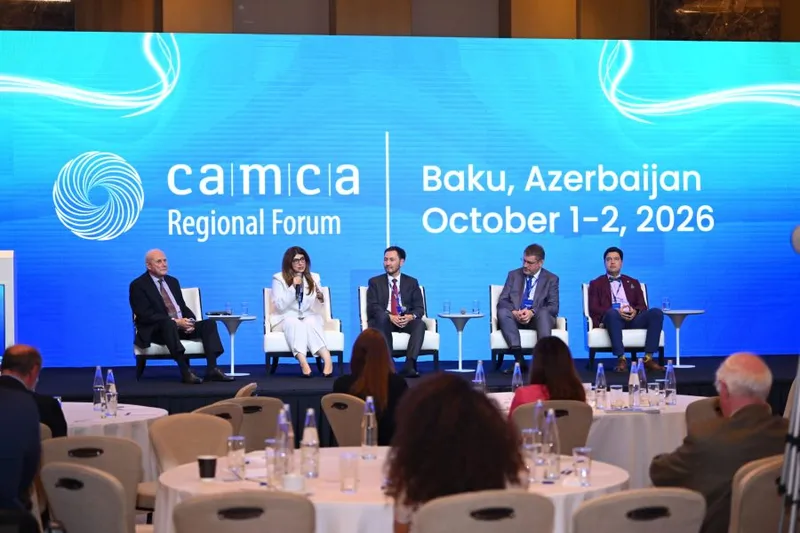
AZERTAC reports that the two-day event included discussions on expanding cooperation in the region and creating opportunities for economic growth and social development. The forum program featured panel discussions and sessions devoted to various topics of current relevance to the region, including entrepreneurship and investment, trade and transportation, green finance, artificial intelligence, fintech, education, tourism and media.
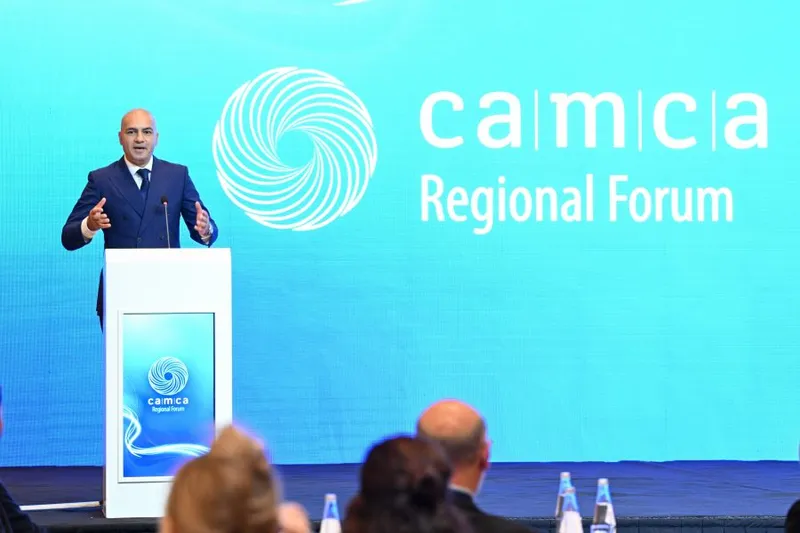 In his remarks, CAMCA Supervisory Board Chairman Fuad Karimov said the forum focused primarily on investment opportunities and expanding international partnerships.
“The main purpose of the CAMCA Regional Forum is to continue discussions on investment opportunities, artificial intelligence, the economy and other current issues, while also contributing to the expansion of international partnerships. The event is being held in Azerbaijan for the second time. The first forum took place in 2018. Our observations show that there is also great interest in this year’s event.”
On the first day of the event, Economy Minister Mikayil Jabbarov addressed the CAMCA Regional Forum. In his remarks, he drew attention to the Trans-Caspian fiber-optic line and the Middle Corridor.
“Digital connectivity is an important area for regional cooperation. The Trans-Caspian fiber-optic line between Azerbaijan and Kazakhstan is expected to become operational in less than a month. This line will create a new high-capacity connection between Europe and Asia.”
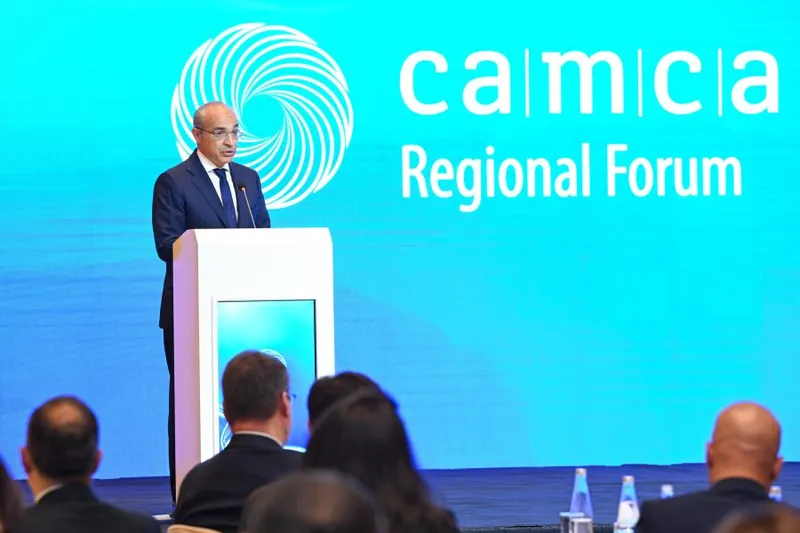
Mikayil Jabbarov noted that the prospect of a shared future is particularly evident in relations between the South Caucasus and Central Asia: “We have been part of this regional architecture for many years. As I noted, the political dimension deepened further in Tashkent in November 2025. Azerbaijan became a full participant in the Consultative Meeting of the Heads of State of Central Asia, thereby becoming the first country outside Central Asia to do so.”
The economy minister said: “We believe that the right investments and measures to improve efficiency can further accelerate the development of the Middle Corridor and pipelines. Central Asian countries are very interested in creating additional transmission and transportation capacity. The Middle Corridor will encompass the main part of Azerbaijan and will be linked even more closely with Central Asia.”
ADA University Vice Rector and Member of Parliament Fariz Ismailzade also spoke at the event. He addressed the issue of technological changes in the education sector lagging behind progress in society. The vice rector said that the first major challenge is how to ensure that we are training the professionals needed for the labor market:
“Because the market is changing rapidly, and market demand, skills and competencies are changing rapidly. How can we ensure that universities are sufficiently agile and capable of adjusting their curricula and offering new specializations that meet market demands? This is the first challenge. Unfortunately, universities are very traditional in many respects. They still focus on 4-year and 5-year education and are very inflexible when it comes to changing their curricula and methodology. Meanwhile, the market is changing rapidly and leaving education behind. Therefore, we must fix this.”
At a panel session titled “Artificial Intelligence Is Redrawing the Global Technology Map: Where Does the CAMCA Region Stand?”, held as part of the CAMCA Regional Forum, Lineate Executive Vice President for Europe and the Middle East Giorgi Tsikolia spoke. Mr. Tsikolia said that the South Caucasus has a strong foundation in several key areas of artificial intelligence development. Artificial intelligence (AI) represents a change that everyone is witnessing and personally experiencing in their daily lives. When it comes to our region and regions in general, the development of the artificial intelligence ecosystem rests on several key areas. These include energy, connectivity and network infrastructure, computing power, as well as engineering capacity.