
17:00Machine-translated from Azerbaijani by AIRead in Azerbaijani
“Chevir,” Which Uses AI to Translate Azerbaijani Sign Language, Places Third at TEKNOFEST
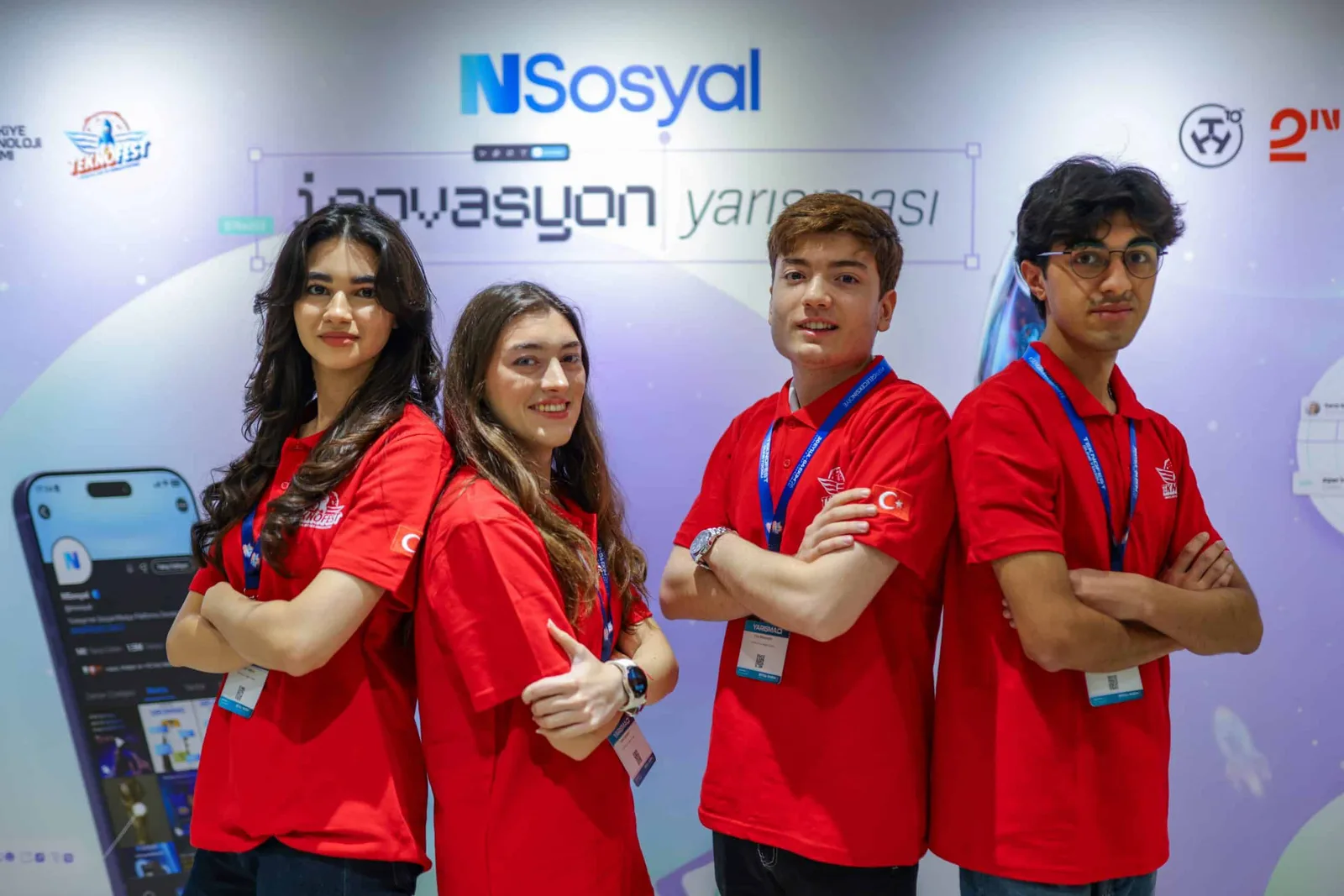
The “Chevir” startup, which uses artificial intelligence and computer vision to recognize and translate Azerbaijani Sign Language, has returned from TEKNOFEST with an award. The team placed third in the “Social AI” category of the NSosyal Social Innovation Competition.
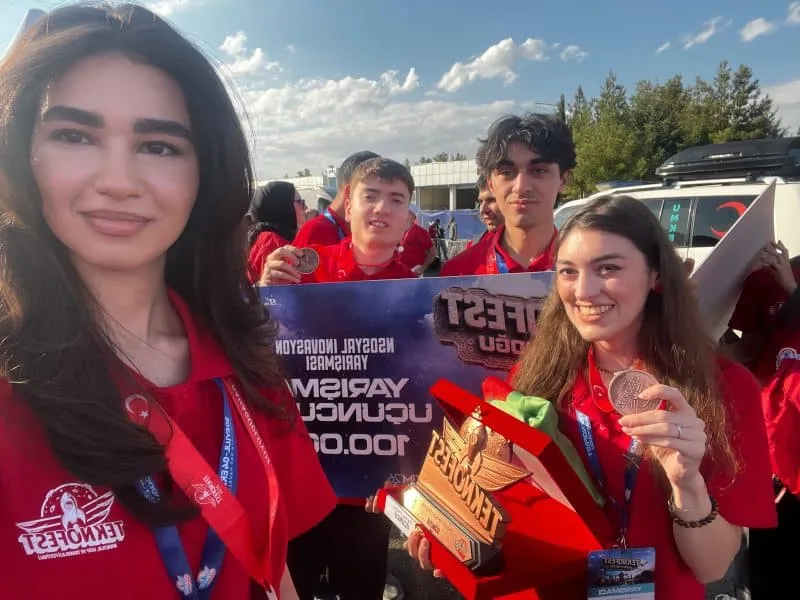
332 teams entered the competition. “Chevir” scored 95 out of 100 in the initial evaluation and was one of 22 teams to advance to the final. Based on the final results, the startup finished in the top three.
TEKNOFEST was held in Şanlıurfa, Türkiye, from September 30 to October 4. At the ceremony held for the winners, the “Chevir” team received a trophy, medals, and gifts.
The team represented Azerbaijan and Karabakh University in the competition. The startup’s founder is Sitarə Ağayeva, its chief technology officer (CTO) is Nigar Əlizadə, and its head of science (Chief Science Officer) is Lalə İbadullayeva. They plan to expand their work on using artificial intelligence to recognize and translate Azerbaijani Sign Language.How does “Chevir” work?
“Chevir” is an AI-based program that translates Azerbaijani Sign Language into text and text into sign language. The project was developed to make it easier for people with hearing impairments in Azerbaijan to communicate with others and access information.
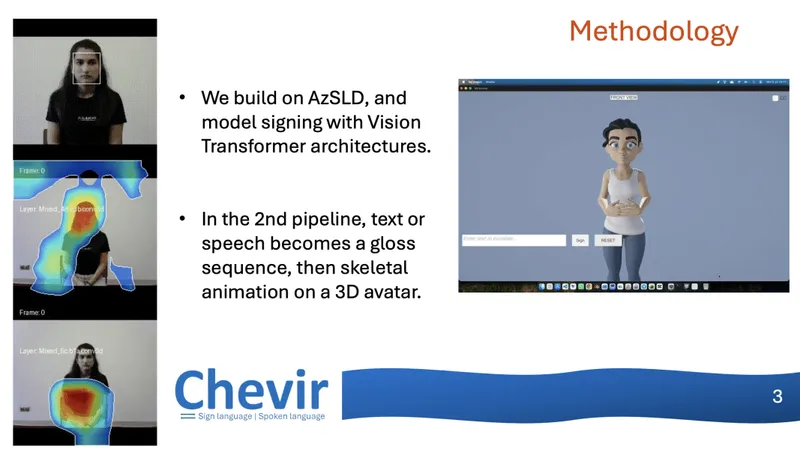
The program works in two directions. When translating sign language into text, the camera tracks hand, finger, and facial movements in real time and captures signs from Azerbaijani Sign Language (AZSL). The artificial intelligence model analyzes these movements and recognizes the sign. An attention map shows which points on the hand the model looks at when making its decision. The recognized signs are presented to the user as text in Azerbaijani.
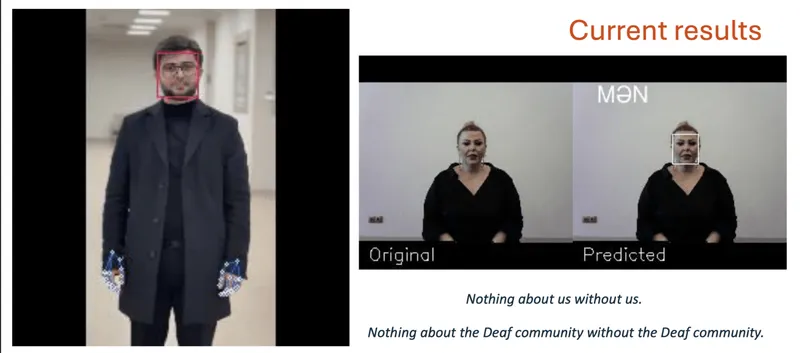
In the other direction, a response written by a hearing person is translated into sign language, and an avatar displays it on the screen using signs. This feature is still at the prototype stage.
With these two features, the team aims to make communication easier for both a person who uses sign language and their hearing conversation partner.