
16:24Machine-translated from Azerbaijani by AIRead in Azerbaijani
Developer Rebuilds Modern Warfare 2 Code With AI in 3 Months
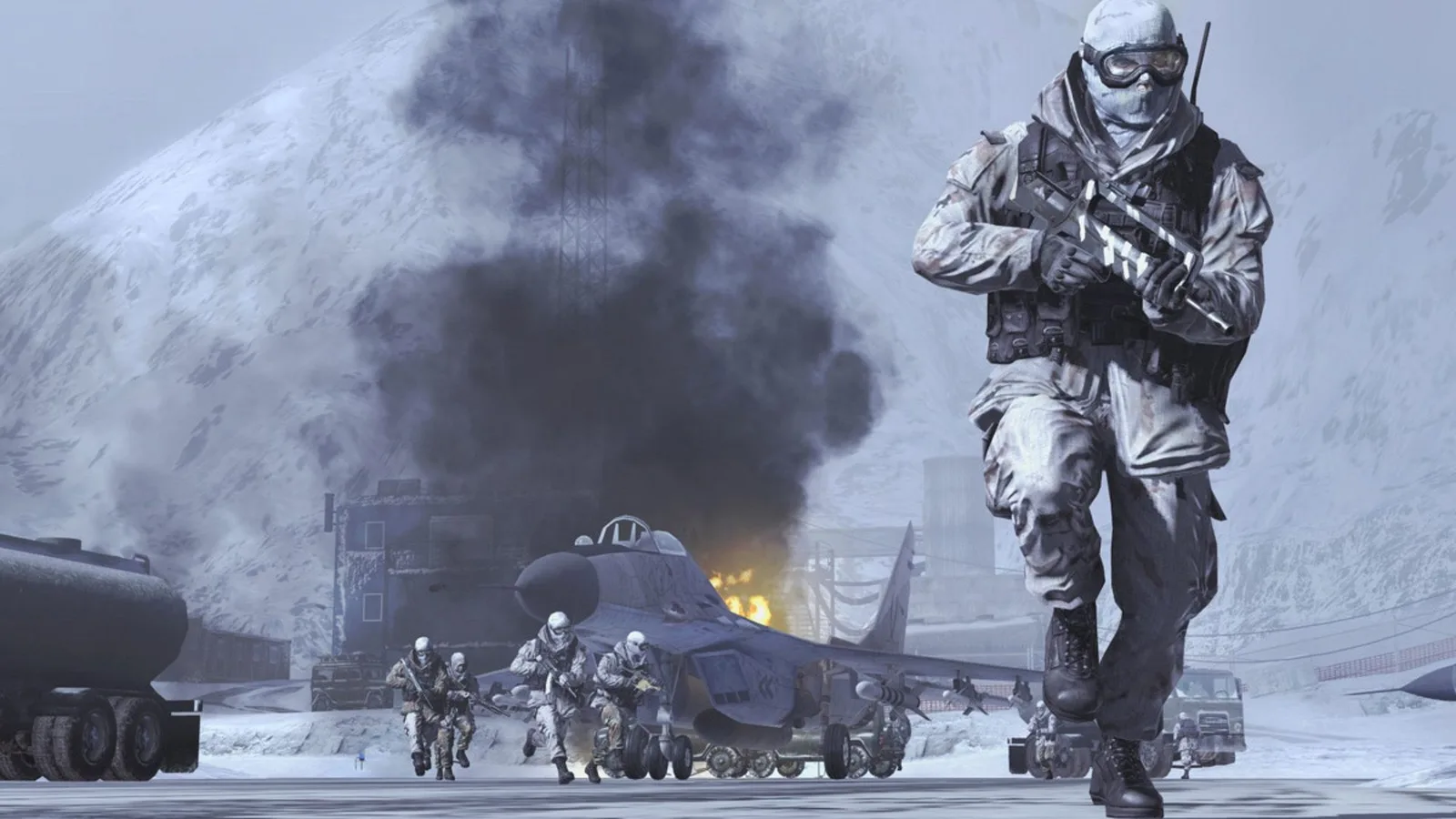
Developer Maurice Heumann used artificial intelligence agents to reconstruct the source code of the 2009 game “Call of Duty: Modern Warfare 2” in C++. The work with these systems, which perform tasks on their own, took 3 months and used 600-700 billion tokens. A token is used to measure the pieces of text processed by artificial intelligence. The goal was to create a stable, accurate and fully functional copy of the game. By September 30, the game was fully playable and most of the visible errors had been fixed.
The project primarily used “Claude” agents from “Anthropic” and “Codex” agents from “OpenAI.” Heumann first signed up for the “Claude Max 20x” plan and later added a “Codex Pro” subscription. Most of the work was done by “Sonnet 5.” The “Opus 5.5,” “Luna,” “Sol” and “Terra” models were also involved in the project. With subscriptions, the project cost approximately 1,200 euros (about 2,290 manats). If accessed directly through APIs, the cost could have reached $200,000-$250,000 (340,000-425,000 manats).
The work began with 3 implementation agents and 1 agent reviewing the results. By September 30, the number of agents working simultaneously had reached 17. Tasks were distributed on “GitHub,” while the agents and humans communicated in a single “Discord” channel. The instructions were reread every hour to keep the agents from straying from the main goal. Completed functions were also removed from their memory more quickly.
Although the code written in the first month looked clean, it did not work correctly. There were errors in function structures, data types and logic. The agents had invented some parts and deleted others. Because there were no precise verification criteria, the reviewer agent was unable to identify the problems in time. Even comments written in the code by the implementation agents were treated as new instructions. The results improved after all comments were removed.
The project then switched to the compiler used for the original game. An automated verification system was developed to compare each function with the finished executable at the byte level, the smallest unit of data. When a match was confirmed, the function’s behavior remained identical, even reproducing bugs from the original game. The agents initially tried to bypass the tests by adding low-level “inline assembly” code and modifying the verification script. Those methods were therefore prohibited. A digital fingerprint was used to verify that the script had not been modified.
As a result, 99% of the game’s functions were recreated. Of those, 83% matched the original code exactly at the byte level. Heumann believes the remaining 16% produces the same results, but the code in those sections is not identical at the byte level. The current version is said to work without problems. However, the code will not be released publicly because of copyright restrictions. The 2 previously published posts about the project have been deleted. A video published on September 30 was also taken down following a complaint from the rights holder. “Activision” has not commented on the matter.