
15:19Machine-translated from Azerbaijani by AIRead in Azerbaijani
HPE’s Fanless Computer Will Be Sent to the Moon in Late 2026
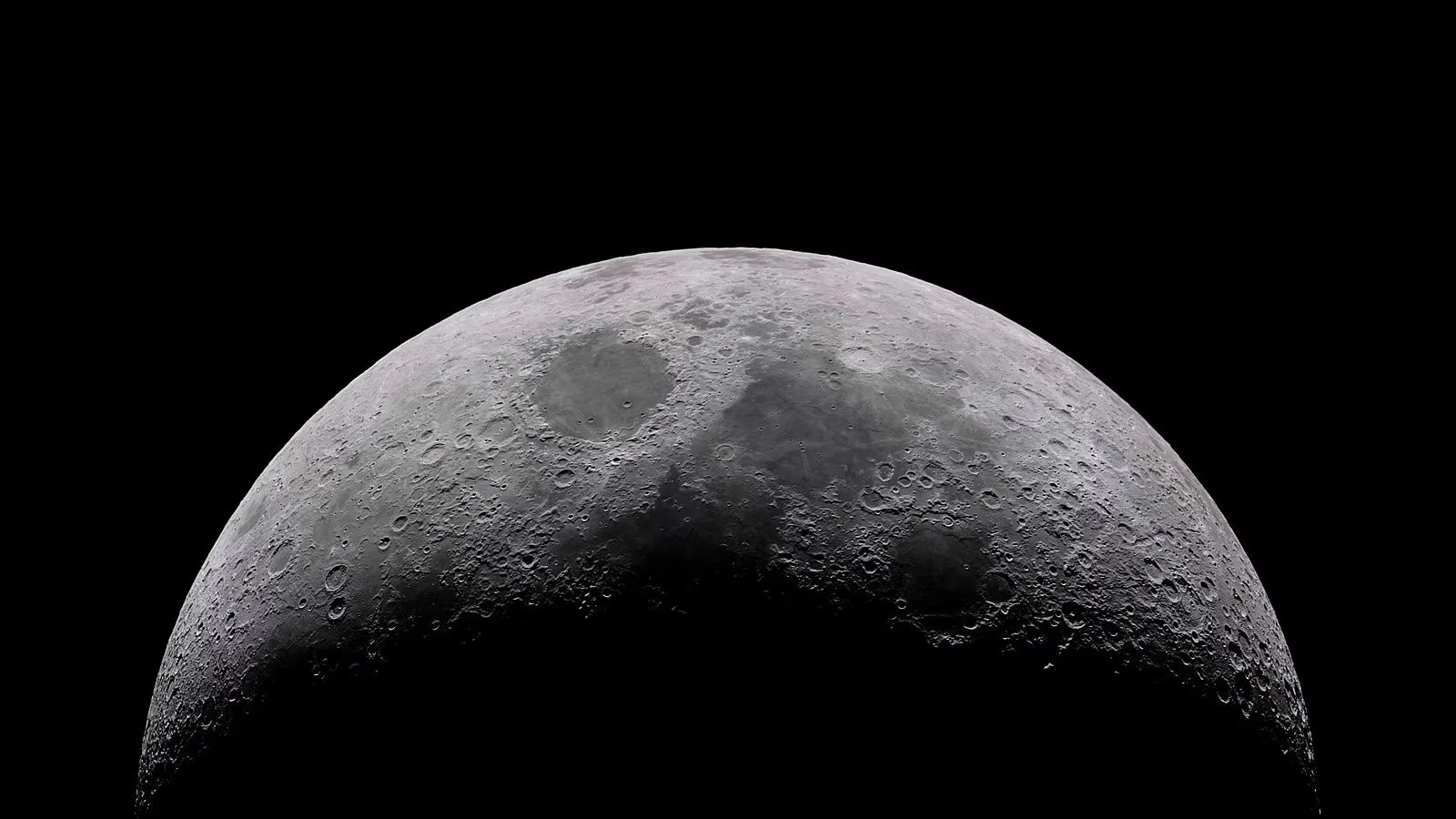
The Spaceborne Computer-4 module developed by Hewlett Packard Enterprise will be sent to the Moon in late 2026. The fanless computer will conduct the first tests of powerful computing systems on the lunar surface. The module will be delivered to the Moon’s south pole aboard Astrolab’s FLIP rover. The mission is part of NASA’s commercial payload delivery program.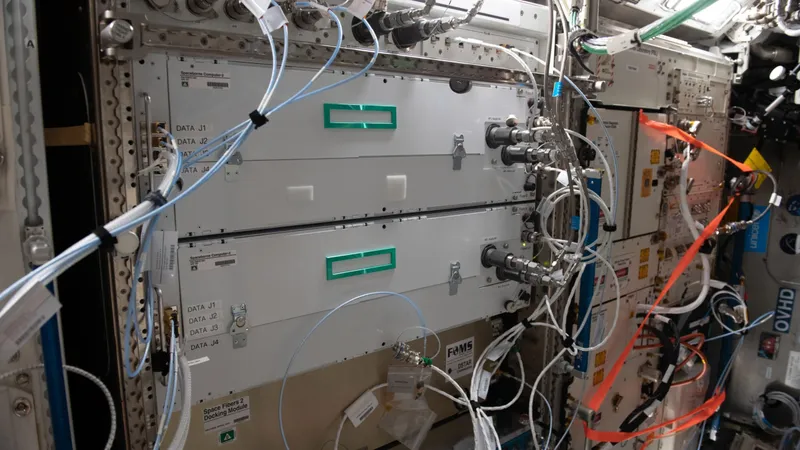 Spaceborne Computer-4 is approximately 25 cm long and 10 cm wide. The graphics card-sized device consists of 2 circuit boards and contains 1 TB of Kioxia storage. The module is also equipped with a low-power central processing unit (CPU) and a small graphics processing unit (GPU). Because it has no fan, heat will be transferred to the rover’s metal plate. The computer will undergo supercomputer benchmarks called HPCG and HPL. These tests measure how quickly the system performs complex calculations under real-world operating conditions. The artificial intelligence tests will cover large language models, image analysis and LiDAR data processing. LiDAR is a technology that uses laser beams to measure the surrounding environment. It will be used to map the lunar surface, determine direction and study the terrain. NASA will test a neural network called FLUID on the device. This system was trained using data collected from Earth, the Moon and the International Space Station and will operate 3 different models in coordination. The agency will also test a special language model that understands and processes documents on the device. Deloitte will test Silent Shield, a system that detects cyberattacks in almost real time. The launch is planned for the 4th quarter of 2026 aboard SpaceX’s Falcon Heavy rocket. Voyager Technologies’ Griffin-1 lander will reach the Moon within several days. The FLIP rover is designed to operate for 1 lunar day, equivalent to approximately 14 Earth days. The rover will then attempt to spend the lunar night in sleep mode. HPE has not yet disclosed the computer’s processing power, energy consumption or chip manufacturers. The first Spaceborne Computer was sent to the International Space Station in August 2017 and demonstrated processing power of more than 1 teraflop. That system weighed approximately 56 kg and was water-cooled. The new module is smaller and designed to operate directly in lunar conditions.