
11:18Machine-translated from Azerbaijani by AIRead in Azerbaijani
NASA's Swift Space Telescope to Reenter Earth's Atmosphere on November 4
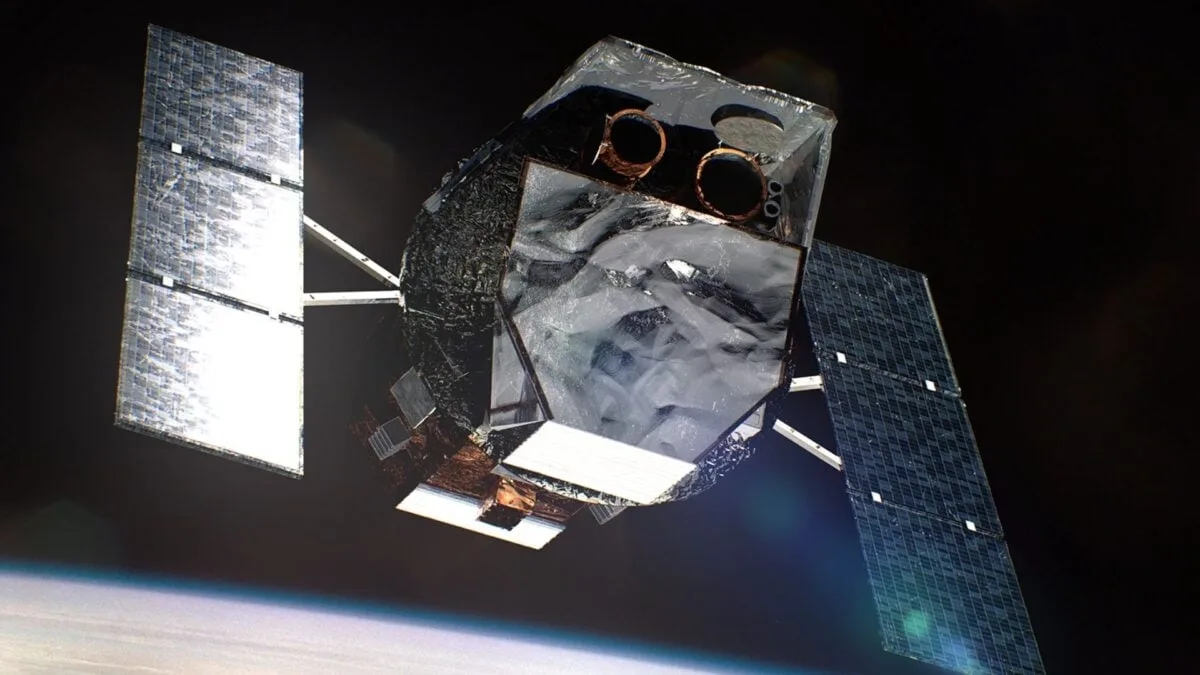
The US space agency NASA has announced that the Neil Gehrels Swift Observatory telescope, which has operated in orbit for nearly 22 years, will enter Earth's atmosphere on November 4. The event is expected at around 12:30 Azerbaijan time, but the calculations have a margin of error of approximately 11 hours. Most of the spacecraft will burn up in the atmosphere. Some internal components may reach Earth's surface.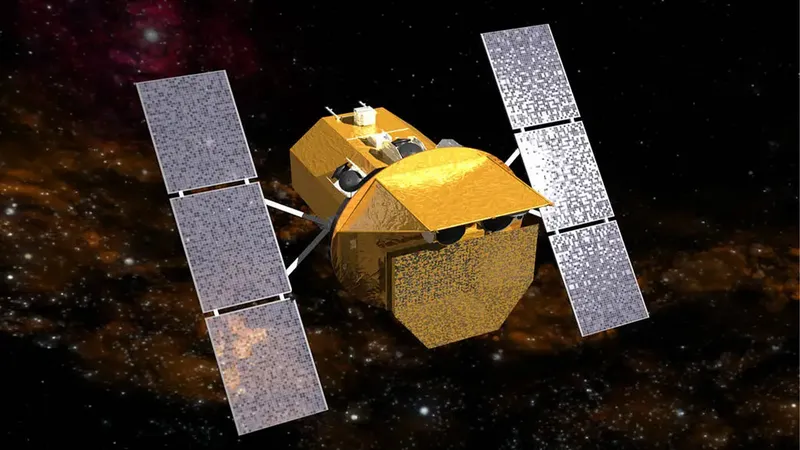
Because the Swift telescope is uncontrolled, it is impossible to calculate in advance exactly where it will fall. Based on its orbit, fragments could land in the area between 20.6 degrees south latitude and 20.6 degrees north latitude. Most of this band crosses oceans. Parts of Africa, Australia, India, Southeast Asia and the Americas are also within the band. According to experts, fragments weighing at least 100 kg in total could pass through the atmosphere and reach Earth.
NASA estimates the probability of someone on Earth being harmed at approximately 1/2,100. Independent calculations typically put the risk of satellite fragments injuring a person at 1/10,000. According to both estimates, the danger is very low. Nevertheless, as the number of satellites in orbit increases, concerns about their uncontrolled return to Earth are also growing.
Swift was launched into orbit on November 20, 2004, and was initially expected to operate for only 2 years. On January 10, 2018, the telescope received its current name in honor of astrophysicist Neil Gehrels. During the mission, more than 2,000 gamma-ray bursts and 1,400 supernovae were observed. The telescope captured 1.5 million ultraviolet and regular optical images and transmitted 12 TB of data to Earth. The collected data has been used in approximately 7,000 scientific papers.
In recent years, increased solar activity accelerated the telescope's descent from orbit. In September 2025, NASA commissioned Arizona-based Katalyst Space Technologies to carry out the LINK mission, which would raise the telescope to a higher orbit. Although the mission began in July 2026, it failed because of control problems. Swift conducted its final observation on October 20. Its orbit then fell below 275 kilometers, and atmospheric drag increased. As a result, the telescope's operations were halted.
By monitoring the descent, scientists want to determine which parts of the telescope melt in the atmosphere and which materials reach Earth. The data collected could help make future satellites safer. Researchers are also studying how burning satellite materials could affect the upper atmosphere, the ozone layer and the climate. The telescope's return to Earth will bring one of NASA's longest-running astronomy missions to an end.