
15:41Machine-translated from Azerbaijani by AIRead in Azerbaijani
NATO Tests Drone Detection System Using 5G Towers in Latvia
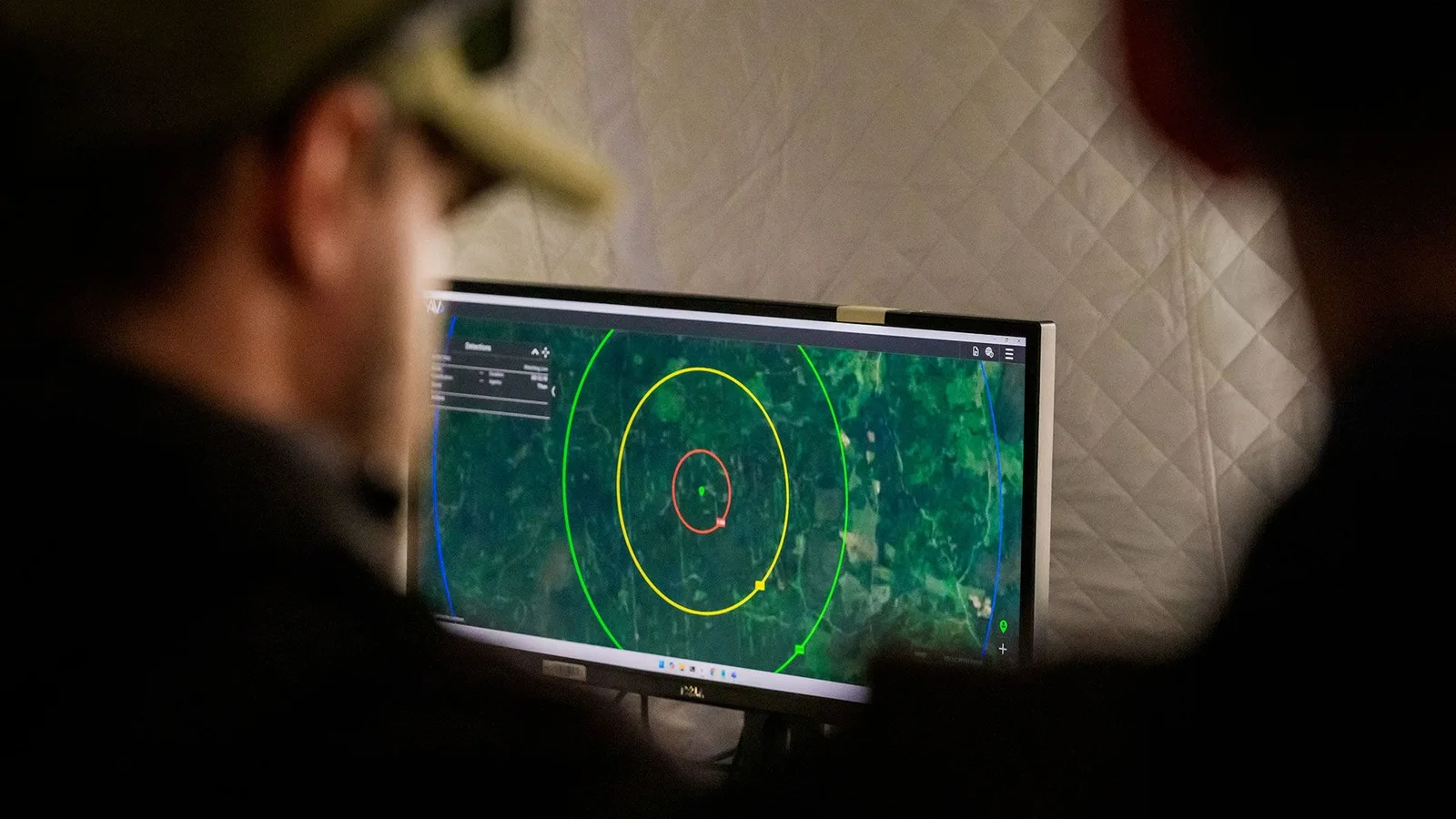
NATO has tested a counter-drone system connected to commercial 5G towers in Latvia. AI programs that perform tasks autonomously established connections between various military systems. The goal was to determine whether existing mobile communications infrastructure could be used to detect and track drones.
The exercise, called “DiBaX 2026,” was held from October 19-30. It tested whether 5G towers could detect and track flying objects, particularly drones, without emitting additional signals themselves. If the technology works successfully, telecommunications networks could also be used for national security. Integrating mobile and satellite networks could increase the system’s resilience.
The trials tested 3 ways to use a commercial 5G network. In addition to Latvia, the US, Canada, Germany, Finland, Lithuania, and other allies participated in the exercise. Although some tests failed, the system was able to connect different platforms. An interoperability problem between “Maven” and the national system was resolved within several hours with the help of AI programs.
In the US, “AT&T” and “Ericsson” demonstrated similar technology around “AT&T Stadium” in Arlington, Texas. Using the 5G network’s radio signals, the system simultaneously detected several drones, determined their locations, and tracked their movements. The drones flew at altitudes of approximately 91-122 meters within the network’s coverage area. This approach is considered one of the key functions of future 6G networks.
The technology could be used to monitor low-flying threats around large stadiums, public spaces, and densely populated urban areas. Using existing towers could reduce the need for additional equipment and lower costs. In addition to providing communications, 6G networks are also expected to detect nearby objects using radio signals.