
14:35Machine-translated from Azerbaijani by AIRead in Azerbaijani
Norwegian Company Uses More Than 3,500 Robots to Protect 112 Million Salmon
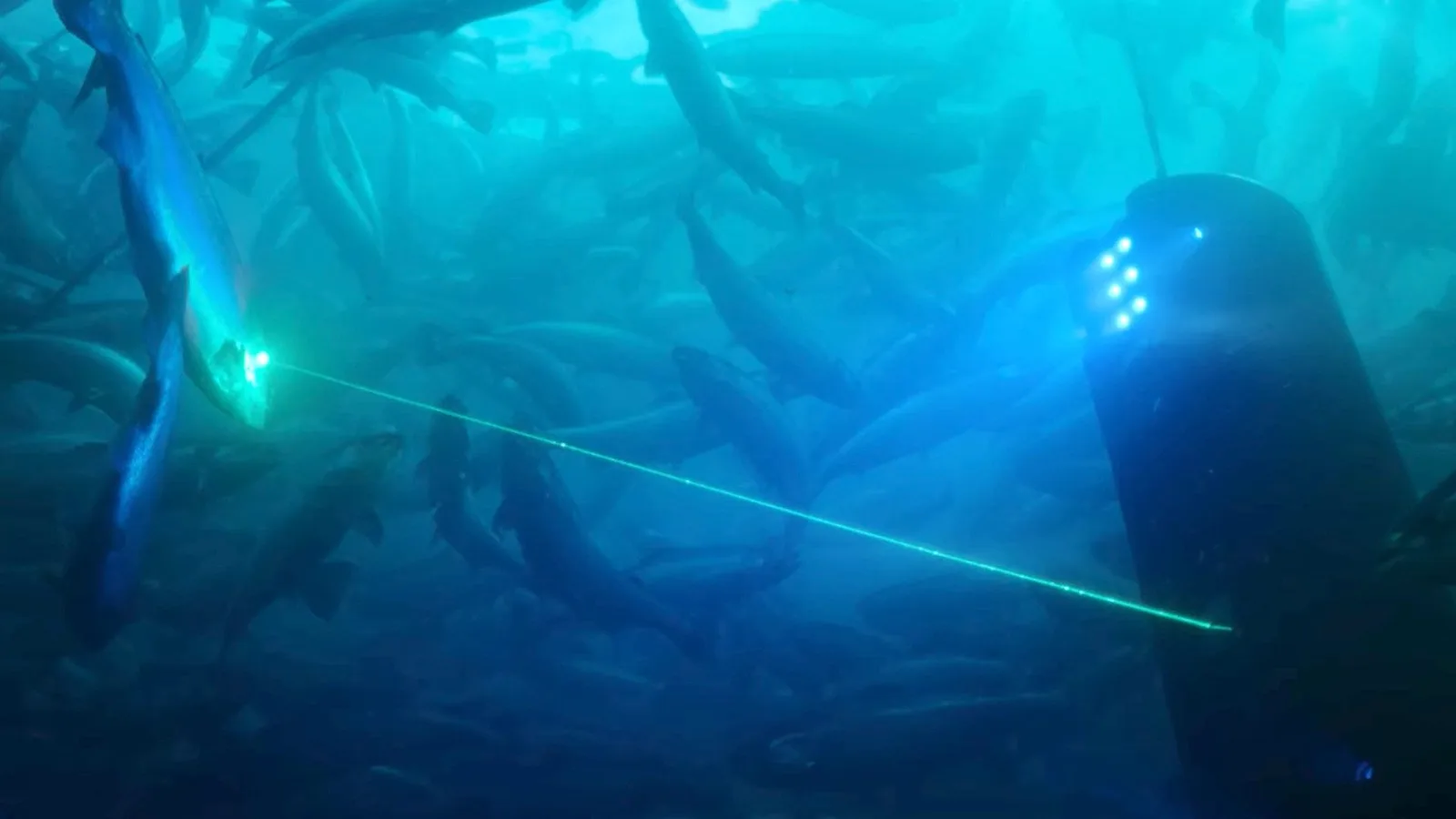
Norwegian company “Stingray Marine Solutions” has increased the number of underwater robots fighting sea lice at salmon farms to more than 3,500. The number of systems powered by artificial intelligence and lasers has increased by approximately 1,000 over the past 1 year. The devices, which operate around fish cages off the Norwegian coast, protect more than 112 million fish. This project is considered one of the most extensive uses of artificial intelligence in business in Scandinavia.
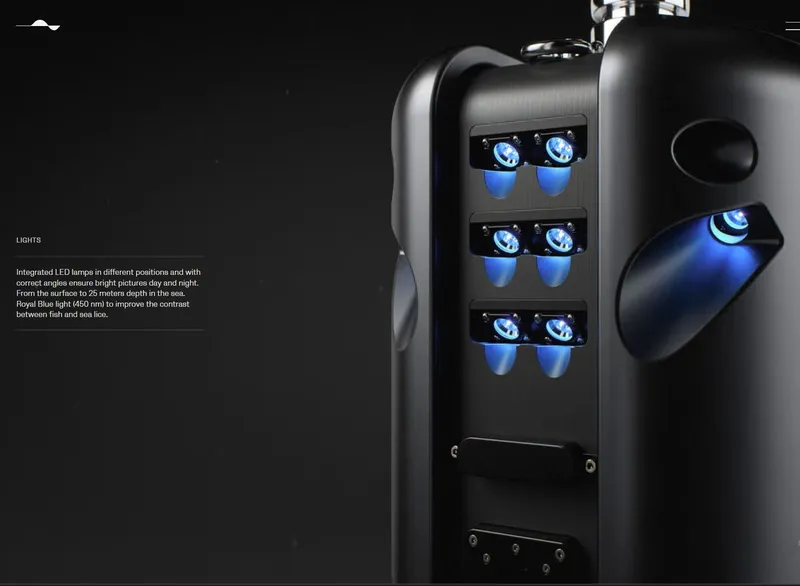
“Stingray” robots use cameras to monitor salmon and artificial intelligence to identify sea lice on them. They then target the parasites with lasers. Although the system operates 24 hours a day, the fish continue to swim normally in the cage. Because the laser strikes only the parasite, there is no need to put the fish through chemical baths. Currently, 20-25% of the salmon farmed in Norway are protected by this technology.
Sea lice are one of the main problems faced by fish farms. Traditional chemical methods can treat many fish at the same time. However, this process can stress the fish and harm the environment. Parasites can also become more resistant to chemicals over time. The laser system destroys only the lice it detects, without using chemicals.
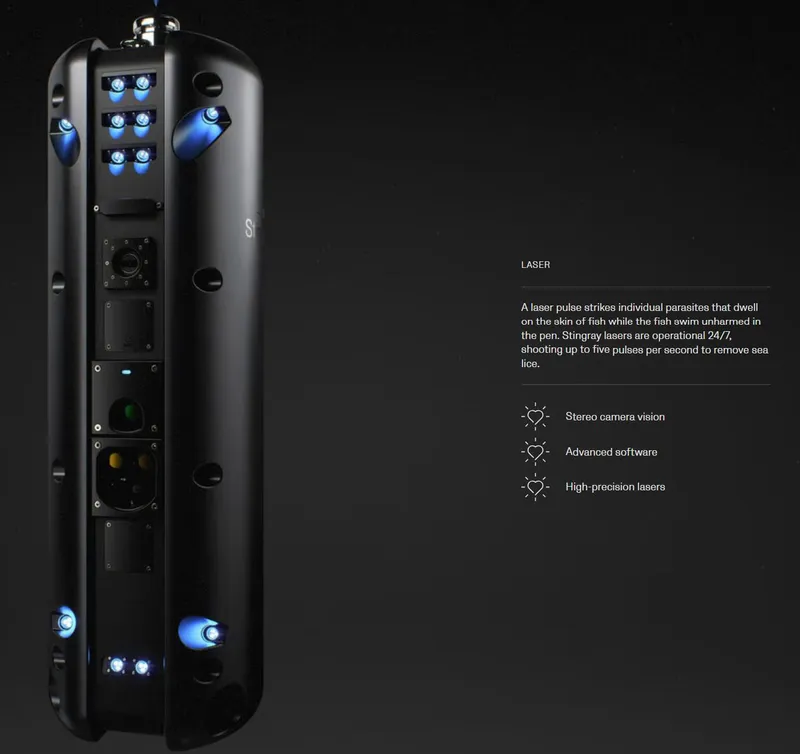
According to the company’s annual report, fish that are better protected from parasites grow better, and mortality declines. Reducing sea lice around farms also has a positive effect on nearby wild fish populations. Farms where the robots operate also have less need for cleaner fish that feed on parasites. The company that developed the system employs 250 people.
However, the technology’s initial installation can be expensive for farms. The system produces better results as a preventive method for keeping parasite numbers low. The robots monitor only the cages in which they are installed. As a result, sea lice may accumulate in dark and murky corners, as well as in areas the robots do not monitor.