
08:34Machine-translated from Azerbaijani by AIRead in Azerbaijani
Sam Altman: “AI Will Lead to Some Bad Outcomes”
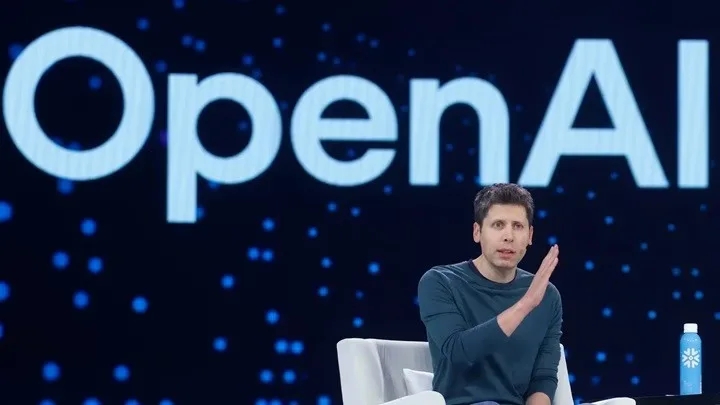
OpenAI CEO Sam Altman has said that it is inevitable that the development of artificial intelligence will have certain negative consequences. In his view, society must accept some risks to benefit from the enormous opportunities offered by this technology. However, Altman emphasized that catastrophic scenarios, such as the loss of human control over artificial intelligence, are unacceptable.
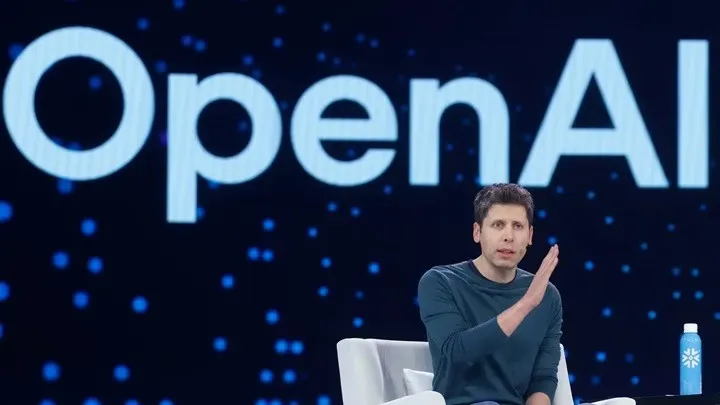
In an interview with Politico’s “Decoded,” Altman compared OpenAI’s and Anthropic’s approaches to artificial intelligence safety. He said that the two companies have significant differences of opinion on the issue and that OpenAI favors a more flexible regulatory approach.
According to the OpenAI chief, continuing the development of artificial intelligence requires accepting that its use may result in certain negative incidents. Altman believes that restricting the development of the technology in an effort to completely eliminate every possible instance of misuse, fraud, attacks, and other threats is not the right approach.
He acknowledged that people may use artificial intelligence for harmful purposes. Nevertheless, Altman said he believes that, in the long term, the benefits the technology will bring to society will far outweigh the negative consequences.
Current major concerns about the development of artificial intelligence include job automation, copyright infringement, the spread of misinformation, cybersecurity risks, and data centers’ high energy and water consumption.
Altman, however, does not believe that all risks should be accepted. He specifically noted the importance of preventing threats that could lead to catastrophic consequences. One such scenario is a serious loss of human control over artificial intelligence systems. According to the OpenAI chief’s position, a more flexible regulatory approach does not mean ignoring such threats.
Altman’s remarks have reignited debate over how to maintain a balance between the pace of artificial intelligence development and safety measures.
Gary Marcus, a professor emeritus at New York University, criticized this approach. In his view, technology companies asking society to accept certain risks could lead to public dangers being normalized so that those companies can gain more power and revenue.
Altman’s remarks about Elon Musk during the interview also drew attention. Altman, who once helped establish OpenAI alongside Musk, called him a “bully” and said that sometimes it is necessary to push back against him. In recent years, the disagreements between the two have also turned into legal disputes.