
08:22Machine-translated from Azerbaijani by AIRead in Azerbaijani
Software Bug Found in Boeing 737 MAX 10
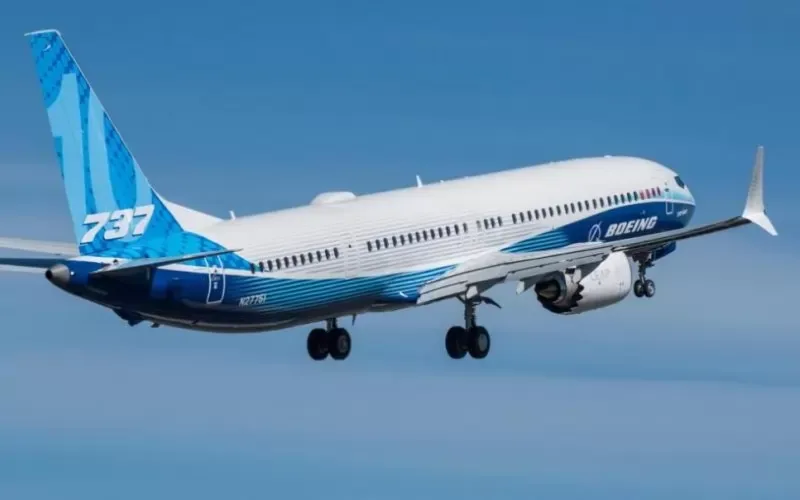
A software issue discovered in the Boeing 737 MAX family has temporarily delayed the certification process for the 737 MAX 10, the largest model in the series. The US Federal Aviation Administration (FAA) temporarily halted progress in the certification process to assess the issue’s impact on flight safety.
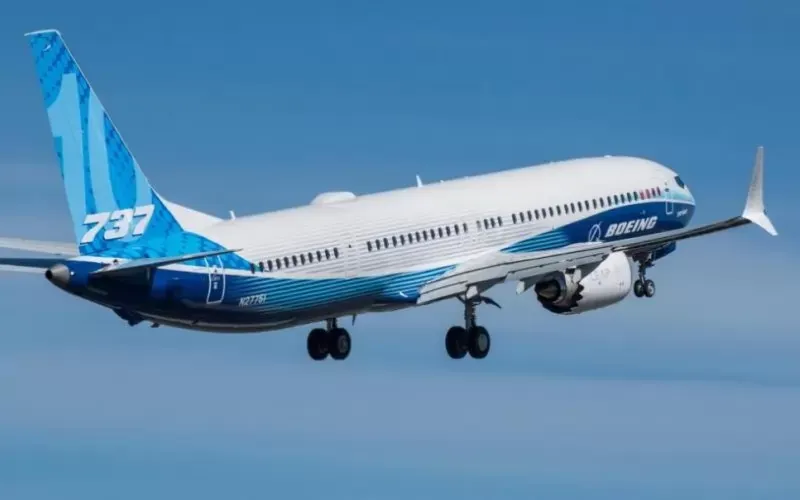
The issue involves the aircraft’s automated guidance system during landing and occurs only in a specific scenario. It concerns the “go-around” maneuver, in which pilots abort a landing, climb again and prepare for another landing attempt.
Under certain conditions, the software bug can cause automatic vertical guidance to stop. In that case, pilots must perform the relevant operations manually. However, the aircraft remains controllable, and the crew receives the necessary information about what is happening.
Following a technical assessment, FAA experts concluded that the issue does not pose a direct safety risk to flights. According to the regulator’s assessment, pilots retain full control of the aircraft, and the information displayed in the cockpit is sufficiently clear to identify the situation.
The issue was not discovered following any incident involving a passenger aircraft. According to Reuters, the software bug was observed approximately two years ago by Canadian airline WestJet and was subsequently also identified during testing. The issue is reportedly linked to a specific version of the software used in the 737 MAX’s flight computers.
Boeing is already working on a software update that should fully eliminate the bug. The company is also developing a temporary procedure that will allow the crew to restore automated guidance if the issue occurs. Airlines operating affected versions of the 737 MAX will be informed about how to identify the situation and what steps to take.
The FAA is also preparing a special airworthiness information bulletin about the issue and the recommended measures. The information is intended to be provided to 737 MAX operators in the US and other countries.
The emergence of the software bug has come at a particularly sensitive time for Boeing. The 737 MAX 10 is the largest version in the family and is still awaiting final certification from the FAA. The model is intended for airlines seeking to carry more passengers than the MAX 8 and MAX 9.
Boeing said in September that the certification process was nearing completion. Although the software issue temporarily delayed the process, the subsequent technical assessment showed that there was no basis for classifying the bug as a direct safety risk. According to Reuters sources, the 737 MAX 10 could be certified as early as October.
Certification of the model is of major commercial importance to Boeing. The company reportedly has approximately 1 500 orders for the 737 MAX 10, with major airlines around the world among the customers.
The latest software issue also demonstrates how important a role software plays in modern passenger aircraft. Even if an aircraft’s mechanical systems are operating normally and pilots retain full control, a software bug that occurs under certain conditions can delay the certification of a new model until regulators have fully assessed the issue.