
17:47Machine-translated from Azerbaijani by AIRead in Azerbaijani
SpaceX’s Starship Megarocket Reaches Earth Orbit on 14th Test
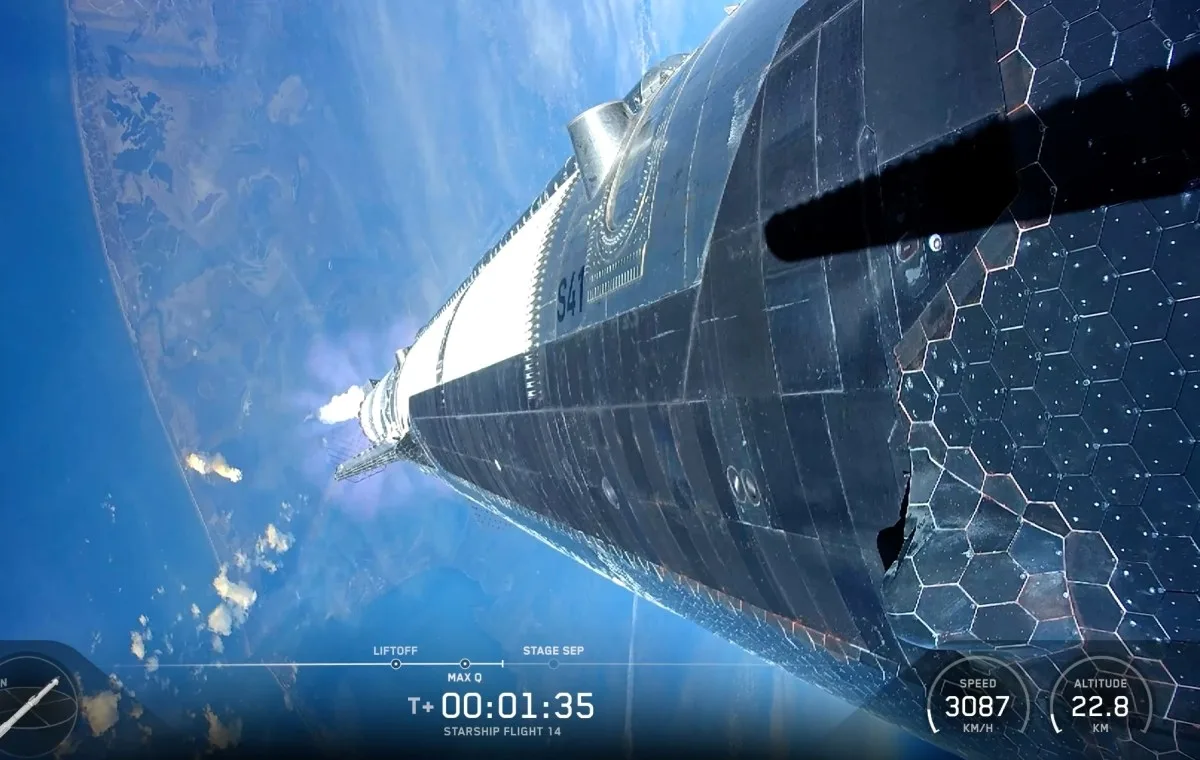
SpaceX sent its Starship megarocket into Earth orbit for the first time on September 28. This milestone was achieved during the rocket’s 14th test flight. On the previous 13 flights, the rocket had returned before reaching orbit. Reaching orbit is a key step toward launching Starship’s commercial flights and turning it into a fully reusable system.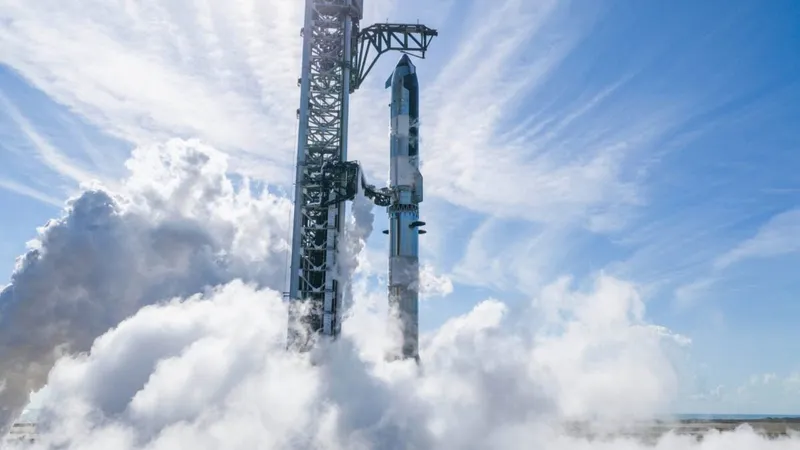 The flight began at the Starbase site in South Texas, and the initial stages proceeded according to plan. Shortly after the upper stage separated, one of its 6 Raptor engines failed. Although the rocket was able to reach orbit using the remaining engines, the control team initially halted the attempt. A few minutes later, the decision was reversed, and the rocket accelerated for 19 seconds before continuing its orbital flight. According to the test plan, Starship was supposed to orbit Earth 6 times over approximately 10 hours. The rocket was also supposed to deploy 26 Starlink V3 satellites into orbit. These satellites were expected to increase the network’s total data transmission capacity by 26 terabits per second. Unlike the mock-ups used in previous tests, these are operational satellites. Because reaching orbit was delayed, it is not yet known whether the objectives were changed or whether the satellites were deployed. The Super Heavy booster stage separated from the upper stage approximately 2 minutes into the flight. It then returned toward the Gulf of Mexico coast and successfully tested a controlled landing maneuver over the water. This was the most successful simulated landing to date for the Starship V3 version, which has been undergoing tests since May. This result is considered particularly important because several engines failed during the previous test. Continuous system checks were planned for the remainder of the mission. If a malfunction occurred, the rocket was supposed to land in the water earlier. Had the flight continued according to plan, the upper stage would have deorbited using 1 Raptor engine and landed in the Pacific Ocean. SpaceX wants to use Starship in the future for NASA’s Moon missions, transporting large Starlink satellites, and projects involving data centers to be built in orbit. The company’s main goal is to prepare both stages of the rocket for another flight within a short period.
The flight began at the Starbase site in South Texas, and the initial stages proceeded according to plan. Shortly after the upper stage separated, one of its 6 Raptor engines failed. Although the rocket was able to reach orbit using the remaining engines, the control team initially halted the attempt. A few minutes later, the decision was reversed, and the rocket accelerated for 19 seconds before continuing its orbital flight. According to the test plan, Starship was supposed to orbit Earth 6 times over approximately 10 hours. The rocket was also supposed to deploy 26 Starlink V3 satellites into orbit. These satellites were expected to increase the network’s total data transmission capacity by 26 terabits per second. Unlike the mock-ups used in previous tests, these are operational satellites. Because reaching orbit was delayed, it is not yet known whether the objectives were changed or whether the satellites were deployed. The Super Heavy booster stage separated from the upper stage approximately 2 minutes into the flight. It then returned toward the Gulf of Mexico coast and successfully tested a controlled landing maneuver over the water. This was the most successful simulated landing to date for the Starship V3 version, which has been undergoing tests since May. This result is considered particularly important because several engines failed during the previous test. Continuous system checks were planned for the remainder of the mission. If a malfunction occurred, the rocket was supposed to land in the water earlier. Had the flight continued according to plan, the upper stage would have deorbited using 1 Raptor engine and landed in the Pacific Ocean. SpaceX wants to use Starship in the future for NASA’s Moon missions, transporting large Starlink satellites, and projects involving data centers to be built in orbit. The company’s main goal is to prepare both stages of the rocket for another flight within a short period.