
16:41Machine-translated from Azerbaijani by AIRead in Azerbaijani
Voyager 1 Becomes First Artificial Object to Reach a Distance of 1 Light-Day After 49 Years
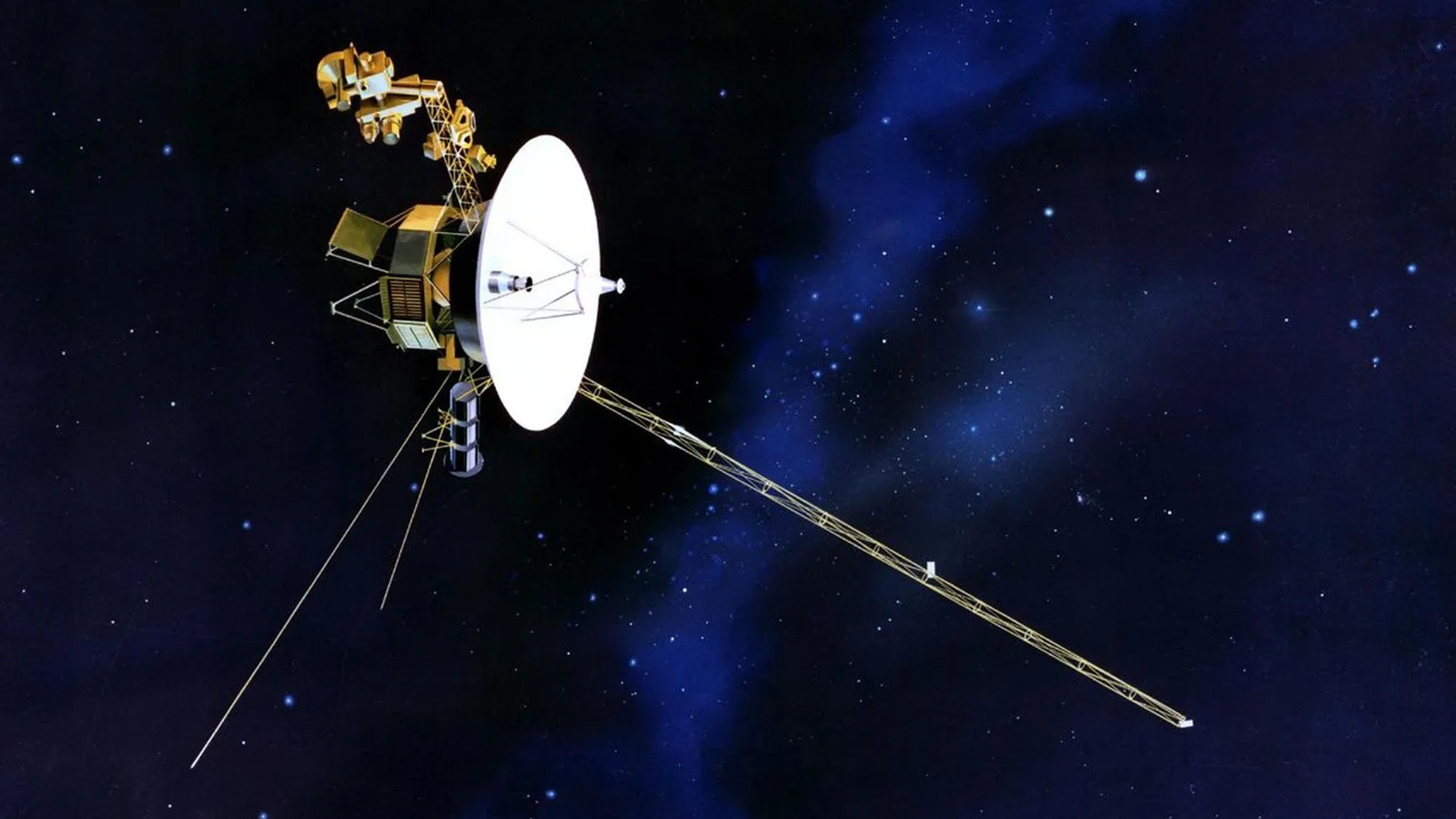
NASA has confirmed that Voyager 1 has become the first human-made object to reach a distance of 1 light-day from Earth. The spacecraft crossed this threshold on November 18 at 14:16 Azerbaijan time. This is the distance light travels in 24 hours. It also takes 24 hours for data confirming that moment to reach Earth.
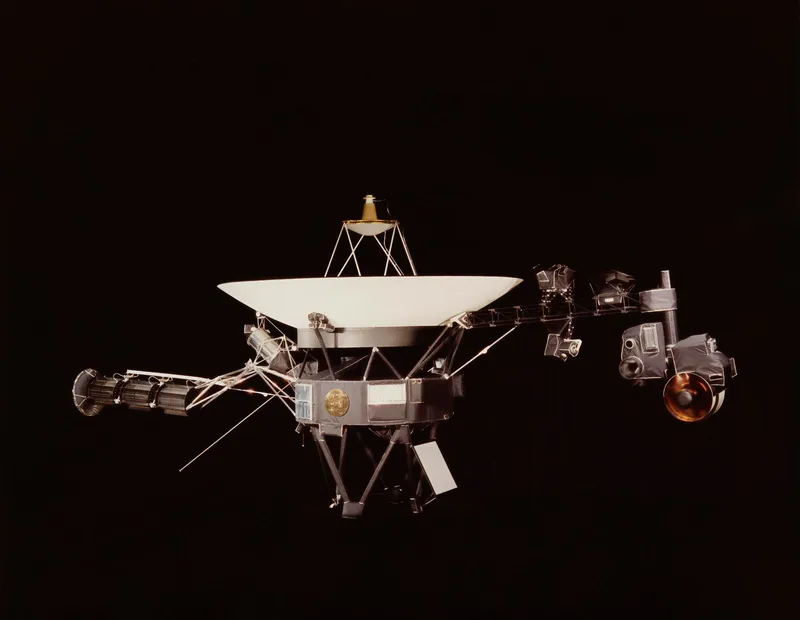
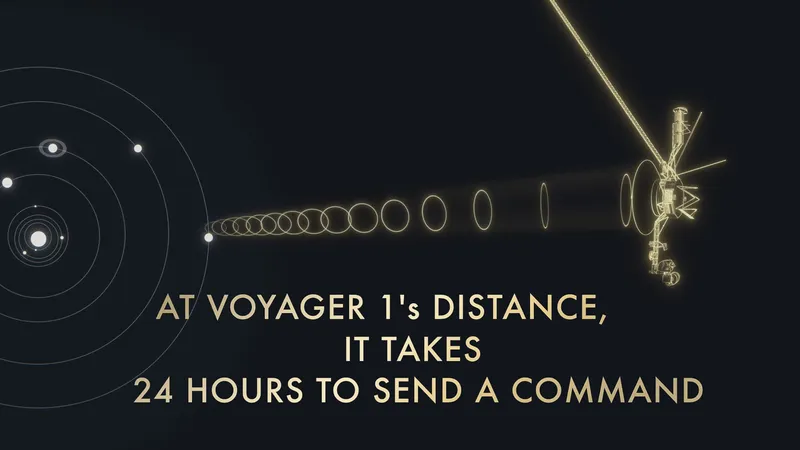
Voyager 1 is currently about 25.9 billion kilometers from Earth. A command sent to the spacecraft takes 24 hours to arrive, and its response takes another 24 hours to return to Earth. The probe is traveling through space at approximately 60,900 km/h. No other human-made object has ever traveled this far.
Voyager 1 reached this milestone after a flight lasting 49 years, 2 months and 11 days. The spacecraft was launched into space in 1977, 16 days after its twin, Voyager 2. The probe completed its primary missions by 1980 after passing close to Jupiter and Saturn. Voyager 1 entered interstellar space, the region between star systems, in 2012.
Despite its long flight and technical malfunctions, Voyager 1 is still operating. The spacecraft continues to send data about plasma waves, magnetic fields and cosmic particles. Because the plutonium in its power generator is being depleted, NASA has shut down some systems. The goal is to keep the remaining scientific instruments operating for as long as possible.
Voyager 1 is now heading toward the star Gliese 445 in the constellation Ursa Minor. That star is about 17 light-years from Earth. In other words, it takes light 17 years to travel this distance. The probe will pass within 1.7 light-years of the star in about 40,000 years. Voyager 2 is expected to reach the 1 light-day threshold in 2035.
Voyager 1 carries information called the Golden Record aboard. It contains sounds, music and the data needed to reproduce photographs that present life and culture on Earth. Space enthusiasts have also been invited to a global light event marking the occasion. Participants can use their phone flashlights to transmit the call sign VGR in Morse code into the night sky.